
A Fair Look at Google Tag Gateway and the Cookieless Shift



Filters
Results
If you’ve heard people talking about the “cookieless future,” it probably sounds like a technical headache you’d rather avoid. But in plain English, it just means that the way websites remember visitors is changing. Old-school tracking methods (called third-party cookies) are being retired to give people more privacy. While that’s great for users, it can make it hard for you to see if your marketing is actually working. That is where Google Tag Gateway comes in. It’s a simple tool that helps your website talk to Google in a way that is modern, private, and much more reliable.
Table of Contents
What Does “Cookieless” Actually Mean for You?
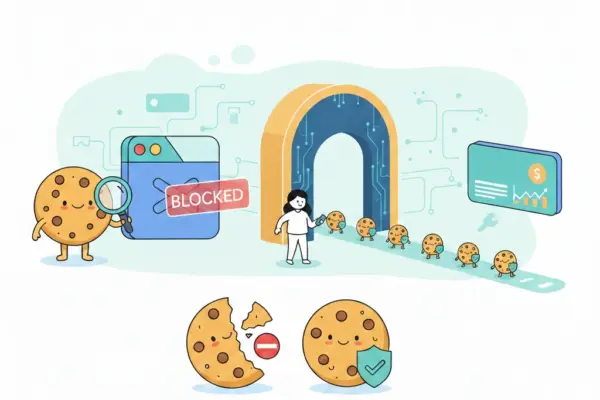
In the past, when someone clicked an ad and visited your site, a small bit of code from Google would follow them to see if they bought anything. Browsers like Safari and Chrome are now blocking that “following” behavior. For you, this means your data might start looking a bit messy. You might see sales coming in, but you won’t know which ad brought them there. It’s like trying to run a shop where you can see people buying things, but you can’t tell which door they walked through.
How the Gateway Solves the Problem
The Gateway acts like a friendly middleman. Instead of Google’s code reaching directly onto your site from the outside, the Gateway lets your own website handle the conversation.
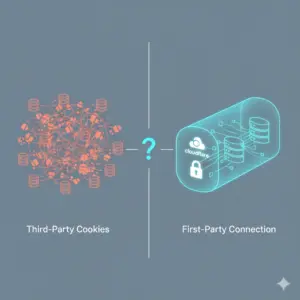
Turning “Third-Party” into “First-Party”
Think of it this way: a “third-party” cookie is like a stranger trying to walk into a private club; the bouncer (the browser) usually says no. But a “first-party” cookie is like a member of the club. Because the Gateway runs through your own web address, the browser sees it as a trusted part of your site. It’s a much more stable way to keep track of your results without overstepping privacy boundaries.
The Real-World Benefits for Your Business
Better Ad Performance
When your data is accurate, Google’s AI knows exactly who is interested in your business. This means your ads are shown to the right people, and you aren’t wasting money on clicks that don’t lead to anything.
Stronger Privacy Control
Because you own the Gateway, you have more say over what data is shared. It allows you to be a responsible business owner by protecting your customers’ info while still getting the insights you need to grow.
Is This Something You Actually Need?
(Let’s be fair) If you’re a very small business with only a few visitors a month, you probably don’t need to worry about this just yet. But if you’re spending a significant amount of money on ads and want to ensure every dollar is tracked correctly, the Gateway is a smart move. It’s a “set and forget” solution that prepares you for the changes coming to the internet over the next year. It’s not about panicking; it’s just about making sure your tools are up to date.
Staying Ahead of the Curve
While the move away from third-party cookies is a permanent shift in how the internet works, there is no requirement for every business to change their setup immediately. The Google Tag Gateway is simply one technical path available for those who wish to adjust. Some businesses may find their current data is still accurate enough for the time being, while others may choose to look into this change sooner. Ultimately, it isn’t a mandatory fix, but it does provide a way to stay informed about your marketing results while following modern privacy standards.