
Forget Rankings: 5 Real Shifts Defining SEO in 2026

The “Is SEO dead?” debate is a waste of time. It’s the wrong question. Search isn’t dead; the old way of doing it is.

Understanding SEO in 2026 is crucial for marketers and businesses alike.

As we explore how SEO in 2026 is evolving, it’s important to adapt to new strategies.

What was once a list of links is now an AI-powered answer engine that values citation over clicks. This is the reality of SEO in 2026. Forget chasing incremental gains. This is a strategic realignment toward Generative Engine Optimization (GEO).

Here are the five truths defining the future of search.

The significance of SEO in 2026 cannot be underestimated; it shapes online visibility.

1. Stop Chasing Rankings: Start Owning AI Answers

In the realm of digital marketing, SEO in 2026 will require innovative approaches.

The trend of “zero-click search”—where users get their answer directly on the results page—is accelerating. While featured snippets started this trend, AI Overviews (SGE) are now the most potent driver.

The primary goal of SEO in 2026 is no longer just to rank #1. The new goal is to be the cited source within the AI’s response. Data from early 2025 showed AI Overviews triggering for over 13% of queries, a number that continues to climb.

The Strategy: Your website is no longer just a destination; it is an authoritative information source that fuels the global answer engine.

2. Leverage E-E-A-T: Experience is the New Ranking Factor

Google’s E-E-A-T framework (Experience, Expertise, Authoritativeness, and Trustworthiness) now prioritizes firsthand experience. Search engines are actively rewarding content written by people with demonstrable, real-world insights over generic, AI-generated “slop.”

To boost your SEO through E-E-A-T, you must be transparent:

  • Detailed Author Bios: Every article should link to a verifiable professional profile (like LinkedIn) to connect content to a human.
  • Firsthand Insights: Share unique data, “lessons learned,” or specific case studies that an AI cannot replicate.
  • Identity Schema Markup: Use Schema Markup or advanced settings to declare Author and Organization schema. This creates a machine-readable link between your content and your credentials.

3. GEO: Structure Content for Machines and People

Content strategies must align with the principles of SEO in 2026 to stay competitive.

In 2026, content must serve two audiences: AI crawlers looking for structured data and humans looking for clarity. This is the essence of Generative Engine Optimization (GEO).

To make your content “answer-ready,” focus on these structural elements:

  • The “Inverted Pyramid” Method: Answer the user’s primary query within the first two paragraphs. Don’t bury the lead.
  • Strategic FAQ Sections: Use H3 headings for FAQs sourced from Reddit or Google’s “People Also Ask.” This provides a clear path for AI to parse your data.
  • Logical Heading Hierarchy: Maintain a strict H2 and H3 structure to break complex topics into scannable sections.

4. Technical SEO: The Non-Negotiable Foundation

While strategy evolves, a flawless technical foundation is a prerequisite. If your site doesn’t perform, AI assistants simply won’t cite it.

The core technical pillars for SEO in 2026 include:

Implementing best practices for SEO in 2026 ensures long-term success.

  • Core Web Vitals: Site speed is a signal of reliability. Use a lightweight theme and optimized hosting.
  • Crawlability: Ensure a clean site hierarchy so search engines can index your most important pages without friction.
  • Structured Data: Proper Schema Markup provides the context AI models need to interpret your authority. In 2026, technical maintenance is an ongoing operational cost, not a one-time project.

5. Beyond Google: The Rise of Fractured Discovery

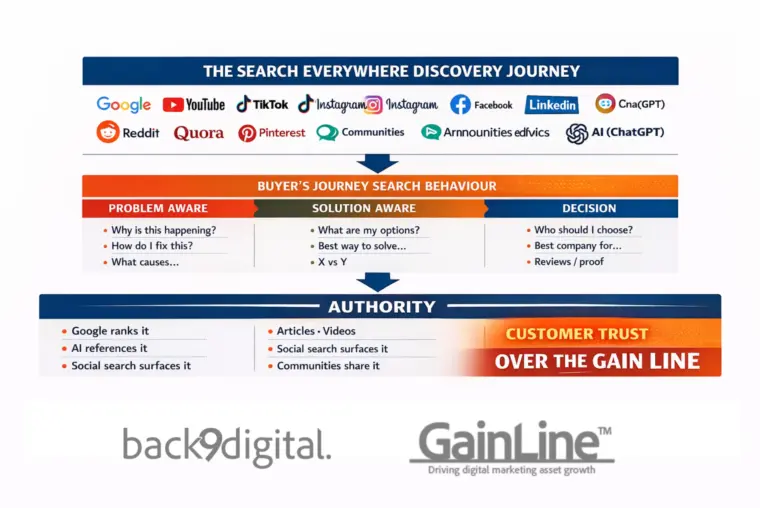
The user journey no longer starts and ends on a single search engine. Users now bounce between TikTok, Reddit, YouTube, and specialized AI assistants.

Modern SEO is a multi-platform discipline. Platforms like Reddit are now critical for:

  • Demand Capture: Answering niche questions where your audience already hangs out.
  • Brand Signals: Building credibility across multiple touchpoints so AI models recognize your brand as a “known entity.”

Understanding trends in SEO in 2026 is essential for staying relevant.

Adapting to the changes in SEO in 2026 will help drive traffic and engagement.

Marketers must embrace the reality of SEO in 2026 to thrive in a competitive landscape.

Conclusion: The Strategic Realignment

Success in 2026 isn’t about gaming an algorithm; it’s about building a trusted, authoritative presence across a fragmented landscape. We have moved beyond traditional Search Engine Optimization into the era of Generative Engine Optimization (GEO)—a strategy built on clarity, experience, and precision.

Stop asking, “How do we rank?” The only question that matters now is: “How do we become the most reliable and citable answer in our industry?”


The path to success involves understanding SEO in 2026 and its implications for your strategy.

Ultimately, mastering SEO in 2026 is key to establishing industry authority.

Posted in SEO

Search Generative Experience (SGE) is Here, but What the Heck Is It?

Google’s new Search Generative Experience (SGE) is officially live—and it’s already shaking up search results. If your rankings have shifted recently, or your traffic’s taken a sudden dive (or spike), SGE could be the reason why.

So, what the heck is it? Let’s break it down through the lens of this search generative era.

What is Search Generative Experience (SGE)?

SGE is Google’s AI-powered upgrade to search. Instead of just showing you a list of links, Google now uses artificial intelligence to generate quick, conversational answers directly in the results, crafting a new generative search experience for users. These AI Overviews appear right at the top of the page—often above the traditional ‘blue links.’

Think of it like this: You ask Google a question, and instead of sending you off to a bunch of websites, it gives you a tidy summary right then and there.

Sounds helpful, right? It is—but for businesses and content creators, it’s also a game-changer with this new search generative technology.

Why Does SGE Matter for Your Website?

Because people might never click through to your website again in this search generative era.

SGE pulls answers directly from existing web content—your content. But it doesn’t always credit the source clearly, and often, users don’t scroll past the AI Overview. This means fewer clicks, even if your information is being used.

That’s a big shift. Your website might still be providing value, but getting none of the traffic due to the search generative experience.

So yes—SGE matters. A lot.

How Search Generative Experience Affects SEO

With SGE in play, traditional SEO isn’t dead, but it’s definitely evolving. Here’s how this generative experience is changing SEO:

  • Position Zero is now AI: Featured snippets used to be the top prize. Now, AI Overviews are taking that spot.
  • Long-form queries rule: The AI tends to surface in response to detailed, complex questions. This favours in-depth, conversational content.
  • Semantic search is key: SGE relies on meaning, not just keywords. So content has to be clear, structured, and genuinely helpful.
  • Click-throughs are dropping: Even if you rank well, fewer people might be clicking—because they’re getting what they need from AI.

What You Can Do About It

You don’t have to panic—but you do have to adapt. Here are three ways to stay ahead during this search generative shift:

  1. Optimise for AI Overviews
    Create content that answers questions directly, using simple language and clear structure. Use headings (like this), bullet points, and natural-sounding FAQs.
  2. Go deeper
    AI Overviews often summarise the basics. To compete, your content needs to offer depth, insight, or unique perspectives that readers do want to click for.
  3. Double down on E-E-A-T
    Google still values Experience, Expertise, Authoritativeness, and Trustworthiness. Make sure your content reflects that—especially in competitive niches that are adapting to the search generative experience.

Don’t Get Left Behind

The Search Generative Experience (SGE) is no longer “the future”—it’s the new normal. If you’re not adjusting your content strategy for AI-first search, you’re going to fall behind.

That might sound harsh. But with the right approach, it’s also a huge opportunity. Less clutter, more relevance—and if you get it right, a stronger connection with your audience.

So: SGE is here. Now you know what the heck it is.

The next step? Ensure Google knows what you know—and why your content deserves to be seen in this search generative framework.

Best SEO Strategies for New Zealand Businesses

At Back9, we believe a strong online presence is vital for businesses in New Zealand. Implementing the best SEO strategies is crucial. SEO, or search engine optimisation, plays a key role in achieving this. It helps businesses increase visibility and attract potential customers.

But what exactly is SEO, and why does it matter for Kiwi businesses?

This guide explores proven SEO strategies tailored to the New Zealand market. We’ll cover everything from local SEO to technical optimisation.

Whether you’re a business owner or a marketing professional, these insights will help enhance your online presence.

Let’s dive into the world of SEO NZ and unlock new opportunities for your business.

Why SEO Matters for New Zealand Businesses

SEO is essential for visibility in today’s competitive digital market. It ensures your business appears when potential customers search for your products or services.

For New Zealand businesses, local SEO is especially important. It helps target nearby audiences more effectively, boosting both engagement and conversions.

One of SEO’s greatest strengths is cost-effectiveness. Unlike paid ads, SEO delivers long-lasting results.

Businesses that invest in SEO often see higher rankings and more website traffic. This visibility can lead to more sales and sustainable growth.

Benefits of SEO for NZ businesses:

  • Enhances online visibility
  • Targets local customers
  • Cost-effective marketing strategy
  • Promotes long-term business growth

Understanding the Basics: What Is SEO NZ?

Search Engine Optimisation (SEO) refers to the techniques used to improve a website’s visibility on platforms like Google.

In the NZ context, SEO involves tailoring these strategies for local audiences and search behaviour.

Key components of SEO include:

  • Keyword research
  • Creating quality content
  • Technical performance

Effective SEO means aligning with both search engine algorithms and user expectations. Done well, it improves traffic and conversions—delivering solid ROI.

Local SEO: Reaching Your New Zealand Audience

Local SEO is crucial for businesses that want to attract nearby customers.

It starts with location-specific keywords. But it goes beyond that. You also need to:

  • Be listed on local directories
  • Keep your Google Business Profile up to date
  • Publish content that resonates with Kiwis

For example, highlight community events or local success stories. This adds relevance and builds trust.

Key local SEO tips:

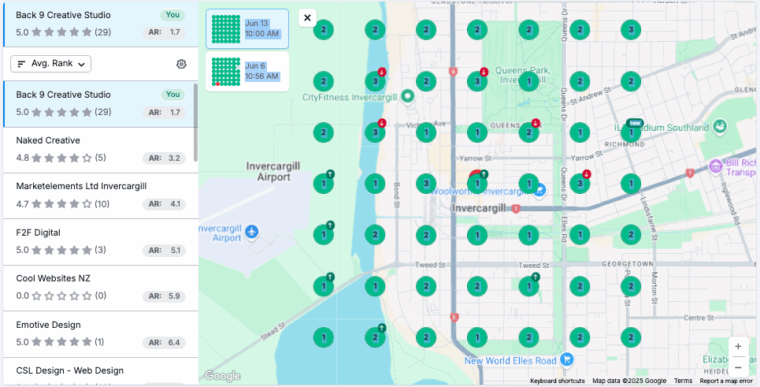
Image Of Local Seo Map Rank Tracker Showing Back9 Is The Best For Seo Optimisation In Invercargill

Keyword Research: The Foundation of SEO Success

Keyword research is the foundation of every successful SEO strategy.

It identifies the words and phrases your audience is searching for, helping you create relevant content that gets found.

Focus on both broad and long-tail keywords. Long-tail terms often have lower competition and higher conversion rates.

Use SEO tools to find trends and update your keywords regularly.

Tips for better keyword research:

  • Identify real search queries
  • Target long-tail keywords
  • Refresh your keyword list often

On-Page SEO: Optimising Your Website Content

On-page SEO refers to everything you do within your website to improve rankings.

Important elements include:

  • Page titles
  • Headings (H1, H2, etc.)
  • Meta descriptions

These should include target keywords in a natural way.

Quality content is just as important. It needs to be relevant, useful, and engaging. Include images with proper alt text, and structure your content clearly.

Also, use internal links to help users and search engines navigate your site.

On-page checklist:

Off-page SEO focuses on building your website’s credibility and trust.

The main way to do this is through backlinks—links from other trustworthy websites to yours.

You can earn backlinks by:

  • Collaborating with local or industry websites
  • Creating shareable, useful content
  • Being active on social media platforms

Off-page tips:

  • Earn backlinks from reputable sites
  • Build genuine online relationships
  • Share content to increase reach

Technical SEO: Ensuring Your Site Performs

Technical SEO makes sure your website is fast, secure, and easy to navigate.

A technically strong website helps search engines crawl and index your content effectively.

Key elements to focus on:

  • Site speed – Faster sites rank better and keep users engaged
  • Mobile-friendliness – Most people browse on mobile
  • HTTPS – Secure your site with an SSL certificate
  • URL structure – Keep it clean, simple, and descriptive

Technical SEO tips:

  • Optimise for fast loading
  • Make sure the site works well on all devices
  • Use HTTPS and tidy URLs

Content is King: Creating Value for Your Audience

Good content drives SEO. It attracts visitors, builds trust, and improves engagement.

To succeed:

  • Write relevant, useful content that answers real questions
  • Update your site regularly
  • Use a mix of content types—like blogs, videos, and infographics

This keeps your site fresh and appeals to different preferences.

Tips for great content:

  • Make it informative and engaging
  • Keep it updated
  • Use varied formats for better reach

Mobile and UX: Optimising for All Devices

Your website must be mobile-friendly. If it’s not, you risk losing traffic and rankings.

User experience (UX) matters just as much. A well-designed site is easy to navigate and loads quickly—on all devices.

Mobile + UX checklist:

  • Prioritise mobile-first design
  • Speed up your site
  • Create a consistent experience across desktop and mobile

SEO for New Websites: Building a Strong Foundation

Launching a new website? Start with SEO in mind from day one.

Key actions include:

  • Researching and targeting the right keywords
  • Writing compelling meta titles and descriptions
  • Making your site mobile-ready and fast-loading

New site SEO checklist:

  • Use keyword-rich titles
  • Ensure mobile responsiveness
  • Optimise page speed

Starting with SEO gives your site a better chance of long-term success.

Measuring Success: Analytics and the best SEO Tools

To track your SEO progress, you need the right tools.

These help you understand what’s working and what needs improving:

  • Google Analytics – Tracks traffic and behaviour
  • Google Search Console – Monitors site health and keyword performance
  • SEMrush / Ahrefs / Ubersuggest – Advanced tools for deeper insights

Why tracking matters:

  • Pinpoints what’s driving results
  • Highlights areas for improvement
  • Supports smarter decisions

Is SEO Still Relevant in 2025 and Beyond?

Absolutely. SEO remains more important than ever—especially with rapid changes in technology.

Emerging trends shaping the future include:

  • Growth in voice search
  • Increased focus on mobile-first indexing
  • Higher expectations for user experience
  • The rise of LLMs like ChatGPT and Google Gemini influencing how content is discovered
  • The need for GEO (Generative Engine Optimisation) to ensure your brand shows up in AI-generated answers

To stay competitive, businesses must go beyond traditional SEO and adapt to how search and discovery are evolving across both search engines and generative AI platforms.

Choosing the Best SEO Company or Agency in NZ

The right SEO partner can make a big difference.

Look for an agency that:

  • Has a proven track record
  • Offers clear communication and reporting
  • Tailors their strategy to your business goals

A good SEO agency understands the NZ market and helps you reach your audience effectively.

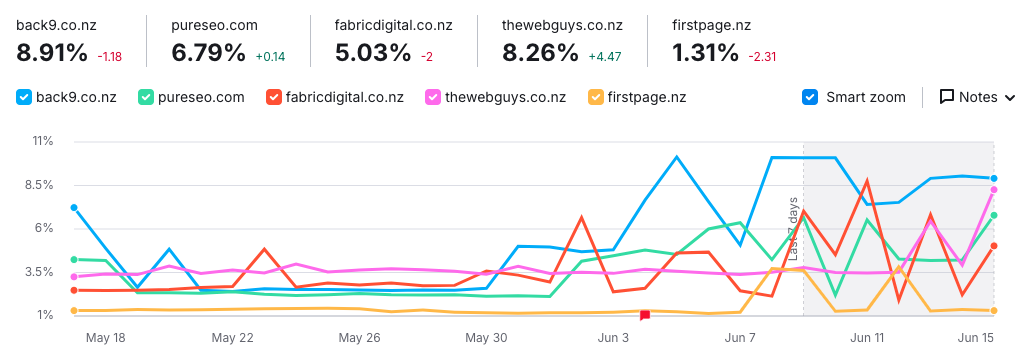
Image Of A Graph Of The Visibility Of Best Seo Companies In Nz
Graph of Online Visibility of the Best SEO companies in NZ

Common SEO Mistakes to Avoid

Avoid these common pitfalls:

  • Skipping mobile optimisation
  • Ignoring local SEO
  • Letting content go stale

These mistakes hurt rankings and user experience. Stay proactive to maintain your SEO momentum.

To stay ahead, NZ businesses should prepare for what’s coming.

Key trends:

  • Voice search optimisation
  • AI-powered content and search analysis
  • Personalised search experiences

Adapting early can give you a significant competitive advantage.

Conclusion: Taking Your NZ Business to the Next Level with the Best SEO

Effective SEO isn’t a one-off task—it’s a long-term investment.

By applying the right strategies, you can boost visibility, attract the right customers, and grow sustainably.

Stay consistent. Stay updated. And work with experts who understand your market.

Employing the best SEO Strategies (especially from the start) is your ticket to long-term digital success.

Posted in SEO

How NZ SEO Services Can Put Your Business on the Digital Map

Ahh SEO in NZ… Well, at Back9 we make no secret that in today’s online landscape visibility is everything. For businesses in New Zealand, that means mastering the art of SEO.

SEO, or Search Engine Optimisation, is a powerful tool. It helps businesses rank higher in search engine results, driving organic traffic to their websites.

But SEO is complex—and constantly evolving. Keeping up can be challenging.

That’s where our NZ SEO services come in. These experts navigate the digital landscape, implementing strategies that help put your business on the digital map.

Whether you’re an entrepreneur, a digital marketing professional, or a business owner, understanding SEO is essential. It’s not just about boosting your online presence—it’s about helping your business thrive in an increasingly digital world.

In this article, we’ll explore how NZ SEO services can help grow your business and why investing in SEO might be one of the smartest moves you make for your digital future.

The Importance of SEO for NZ Businesses

SEO is a vital component of business success in New Zealand. There are many benefits to Search Engine Optimisation… Most importantly, it enhances online visibility, making it easier for potential customers to find your business. With the right strategy, SEO can help you reach more people and drive more traffic—organically.

In a competitive market, standing out is crucial. SEO gives businesses a way to rise above competitors in search results. This visibility not only attracts traffic but also builds trust. People are more likely to click on and trust businesses that rank near the top.

SEO is also a cost-effective marketing strategy. Unlike paid ads, which can quickly add up, SEO focuses on earning traffic naturally. This approach often leads to stronger ROI and reduced marketing spend over time.

Crucially, SEO evolves alongside the digital world. As search engines update their algorithms, your strategy can adapt—keeping your business relevant and competitive.

Investing in SEO supports overall business growth. It improves visibility, increases site traffic, and ultimately leads to more conversions and sales.

Understanding the Basics of SEO

At its core, SEO means making your website more attractive and accessible to search engines. It includes both on-page and off-page strategies.

On-page SEO focuses on the content and structure of your website—things like keyword usage, meta descriptions, and internal linking.

Off-page SEO includes external factors such as backlinks and your business’s reputation online. These elements show search engines that your website is trustworthy and authoritative.

Content also plays a crucial role. High-quality, relevant content attracts and engages visitors. Regular updates help maintain your site’s authority and visibility.

On the technical side, things like fast load speeds, mobile-friendliness, and secure connections (HTTPS) all impact SEO performance. Mastering these basics is key to making SEO work for your business.

Why Local SEO Matters

Local SEO is essential for businesses targeting customers in a specific area. It helps ensure your business appears when people search for products or services nearby.

One of the most important tools for local SEO is Google Business Profile (formerly Google My Business). It helps you stand out in local search results by displaying key information like opening hours, reviews, and location.

Encouraging customer reviews is another important tactic. Positive reviews can boost your visibility and reputation in your area.

You’ll also want to use location-specific keywords in your content. This helps attract local searchers who are looking for exactly what you offer—right where you offer it.

When done well, local SEO connects your business with the community, improves visibility, and drives relevant traffic that’s more likely to convert.

Selecting the Right SEO Agency NZ

Choosing the right SEO agency in New Zealand can make or break your digital marketing efforts. The best agencies take time to understand your business and craft tailored strategies to match your goals.

Look for agencies with a proven track record—case studies, results, and reviews can all help you gauge their experience and success.

Transparency matters. A reputable SEO agency will keep you in the loop with clear, regular reporting and open communication about what’s working (and what’s not).

A strong agency should offer a full suite of services, from; keyword research and content creation to technical optimisation and link building.

Lastly, make sure they use ethical (white-hat) SEO techniques that comply with search engine guidelines. Avoid any agency that promises overnight success—it’s usually a red flag.

What to Look for in SEO Experts NZ

A great SEO expert brings deep technical knowledge, creative thinking, and real-world results.

Look for someone who can show proven success through metrics like improved rankings, increased traffic, and stronger conversion rates. Case studies and client testimonials are your best friend here.

Flexibility is also key. The best SEO experts know how to adapt strategies as Google updates its algorithms. That means your site continues to perform, even as the rules change.

And don’t underestimate communication. A good SEO expert will clearly explain what they’re doing and why—helping you understand how their work supports your broader business goals.

Clean and Pure SEO NZ: Ethical Practices for Sustainable Growth

Pure SEO is all about playing the long game. That means using white-hat tactics that follow best practices and search engine rules.

It starts with valuable, relevant content that answers real questions and solves real problems. That’s the kind of content that performs—and lasts.

It also includes building quality backlinks from credible sources. These links boost your site’s reputation and authority, which in turn helps with rankings.

Ethical SEO also prioritises user experience—ensuring your website is fast, mobile-friendly, and secure. These elements not only improve rankings but keep visitors on your site longer.

By focusing on ethical practices, you’re building a digital foundation that will serve your business well into the future.

SEO Pricing NZ: Investing in Your Digital Future

The cost of SEO in New Zealand depends on your goals, your industry, and the scope of services you need.

Rather than thinking of SEO as a cost, consider it a strategic investment. It’s a long-term play that can deliver measurable ROI over time.

Some agencies offer fixed monthly packages, while others tailor their pricing to your needs. Either way, focus on value, not just cost. A higher price tag often reflects deeper expertise and more comprehensive service.

The key takeaway: Good SEO pays off. It drives traffic, builds trust, and supports sustainable growth. Cheap SEO might seem appealing—but it can cost more in the long run if it damages your rankings or reputation.

Balancing Cost and Quality with SEO Services NZ

When choosing SEO services, avoid the temptation to go with the cheapest option. Low-cost providers often lack the tools, expertise, or time to deliver meaningful results.

At the same time, price doesn’t guarantee quality—so do your homework.

Look for a provider that offers a balanced approach: clear pricing, a solid reputation, and a commitment to ethical, long-term strategies. The best SEO companies are transparent, results-driven, and focused on your business success.

The Role of an NZ SEO Specialist

An NZ SEO specialist is your guide through the maze of search engine optimisation. They bring local insights, technical skills, and strategic thinking to help your business grow.

From keyword research and technical audits to analytics and content planning, their job is to improve your visibility and drive measurable results.

They’re also your point of contact for data-driven decisions—regularly reviewing analytics to refine your strategy and ensure your goals stay on track.

Partnering with a skilled specialist gives your business an edge in the competitive New Zealand market.

Tailored Strategies for Search Engine Optimisation

No two businesses are alike. That’s why tailored SEO strategies are so important.

The best SEO providers in NZ begin with a deep dive into your goals, your audience, and your competitive landscape. From there, they build a plan that aligns with your business objectives.

It’s not just about keywords—it’s about crafting content, building links, and refining technical performance. And as your business evolves, your strategy evolves too.

A custom SEO plan ensures everything is aligned—so you’re not just ranking higher, you’re reaching the right people with the right message.

Conclusion: Elevating Your Online Presence with an SEO Company NZ

Partnering with a reputable SEO company in NZ can transform your online presence.

SEO helps your business get found, earn trust, and grow sustainably. It’s not a silver bullet—but with the right approach, it delivers lasting value.

By choosing experts who understand the local market and the latest best practices, you position your business for digital success—now and into the future.

Posted in SEO

How much does SEO cost in Invercargill?

Ah, SEO—the mysterious force that either makes your website pop up on Google… or disappear into the abyss of page 7. If you’re a business owner in Invercargill scratching your head and asking, “How much does SEO cost? or What should I actually be paying for SEO?”—well to be honest, you’re not alone.

Let’s face it, the digital marketing world can feel like a wild west of buzzwords, baffling jargon, and pricing that ranges from “That’s suspiciously cheap” to “Do I get a unicorn with that?!”

So, let’s break it down in plain English (with a wee Southern twist) and give you the lowdown on what SEO might cost—and what you should be looking out for—right here in good old Invers.

What Even Is SEO, and Why Should You Care?

Search Engine Optimisation (or SEO, for those who don’t have time for all those syllables) is all about helping people find your business online without having to take a lucky dip on Google.

For businesses down south, where word of mouth is great but it’s not everything, being visible online is crucial. Because guess what? Your next best customer might be searching for what you do… but finding your competitor instead.

Done well, SEO makes sure your website shows up when people are actually looking for what you offer. More visibility = more traffic = more leads = more sales. Boom.

Want To Know All About Seo 4

Why SEO Pricing Feels Like a Game of Guess Who

If you’ve ever tried to get a straight answer to “How much does SEO cost?”, you’ve probably heard: “It depends.” Helpful, right?

But the truth is… It does depend—on a bunch of things like:

  • How big your business is (a small local tradie = different ball game to a national eCommerce beast)
  • How competitive your industry is (if you’re in a niche, you might not need to fight as hard)
  • What you want to achieve (quick wins vs long-term growth)
  • Whether you need a full-blown SEO strategy, or just a tune-up and a push in the right direction

Basically, the more work involved, the more you’ll pay. Not because your SEO provider is trying to fund their Bali holiday—but because it takes serious time and skill to get you ranking.

So, What’s the Actual Dollar Figure?

Let’s get to the juicy bit. Here’s a rough guide to what you might expect to pay in terms of SEO Cost in Invercargill:

  • Small to Medium Business SEO: Anywhere from $500 to $1,500/month (a sweet spot for local businesses wanting steady growth)
  • Bigger campaigns or high-competition industries: $2,000–$5,000/month+ (if you want to play with the big kids and dominate Google)
  • One-off SEO audit: $300 to $1,000, depending on depth (it’s an ok starting point if you’re not sure where you’re at. But what it really comes down to is what do you want to achieve?)

As with anything—cheap and cheerful might feel good at first… but be wary of the ol’ “we’ll get you on the first page in 2 weeks” promise. That’s usually a red flag waving harder than a Southern supporter at the footy.

How-Long-Does-Seo-Take-To-Show-Results-Button

One-Off Audit vs Ongoing SEO: What’s Better?

Think of a one-off SEO audit like a WOF for your website. Handy, necessary, and it’ll tell you what’s busted. But unless you fix the stuff it flags and keep things ticking over, you’re back to square one pretty quickly.

Ongoing SEO is more like regular servicing. It keeps your website in good nick, adapts to changes (like Google’s 42 algorithm updates a year), and makes sure you’re not just ranking, but converting traffic into customers.

TL;DR: If you want long-term growth, ongoing SEO is the go.

What Do You Actually Get for Your Money?

A good SEO strategy isn’t just about cramming keywords into your homepage and hoping for the best. Here’s what should be on the menu:

  • Keyword research (the right kind, not just guessing what people might search)
  • Technical fixes (like speeding up your site and making it mobile-friendly)
  • Quality content that’s both Google-friendly and human-friendly
  • Ongoing reporting and tweaks based on what’s working (and what’s not)

Good SEO is part art, part science—and all about helping the right people find you at the right time.

Choosing the Right SEO Partner (Without Getting Burnt)

Not all SEO providers are created equal. Some are great, some are… well, let’s just say they maybe belong on Fair Go.

Here’s what to look for:

  • A clear, proven process (no smoke and mirrors)
  • Custom strategies (not copy-paste fluff)
  • Transparent pricing (if they won’t tell you what’s included, run)
  • Real results for real clients (not just fancy slideshows)

Ask questions. Look for people who listen to your goals. And remember—you’re not just buying a service, you’re partnering with someone to grow your business.

When you’re weighing up SEO cost in Invercargill, make sure you’re comparing more than just price. Find someone who actually practises what they preach. Below is a snapshot of our own search engine visibility compared to other local businesses — because if your customers are finding the competition first, that’s when SEO (or lack thereof) really starts to cost you!

Screenshot-Of-Back9-Creatives-Seo-Rankings-For-Measuring-Digital-Success

Final Word: Is SEO Worth It?

Short answer: Yup.

Long answer: SEO is one of the best long-term investments you can make for your business. It helps people find you, builds credibility, and keeps working long after the ads stop running.

Sure, it takes time. But the businesses that commit to it properly often see a serious return in the form of leads, sales, and reputation.

So if you’re ready to stop hiding on page 7 of Google and start getting noticed—investing in SEO might just be the smartest move you make this year.

Want to chat about what SEO could look like for your business? Let’s have a yarn. I promise no jargon, no pressure—just some honest advice and a plan to help you grow.

Image Button To Claim Free Seo Audit

Posted in SEO

What is SEO?

At Back9, we make no secret that in today’s digital first world, visibility is key. It’s crucial for businesses, bloggers, and content creators alike.

But how do you stand out in the vast online world? The answer is Search Engine Optimisation.

By now anyone who’s anyone shouldn’t have to ask What is SEO? But they still do. It’s somewhat of an enigma. Not just what it stands for but how does it actually work?

SEO, or Search Engine Optimisation, is a game changer. It’s a set of strategies aimed at improving your website’s visibility on search engines.

And I am here to tell you, you don’t need to understand it. You just need to accept, You need to also accept The Ongoing Importance of SEO in 2025. Furthermore, that is when done right, Search Engine Optimisation can drive traffic to your site. It can convert casual browsers into loyal customers.

However in saying that, in this article I’ll guide you through the basics of SEO. I’ll also provide actionable tips on how to implement effective strategies. As well as explain some of the benefits of Search Engine Optimisation.

Whether you’re a small business owner, a marketing professional, or a curious reader, this guide is for you. Let’s dive into the world of Search Engine Optimisation.

Cartoon-Of-Three-Executives-At-A-Boardroom-Table-Discussing-What-Is-Seo

Understanding SEO and Its Importance

SEO stands for Search Engine Optimisation. It’s the practice of enhancing a website to improve its position on search engine results pages.

Higher rankings mean more visibility. More visibility can translate to increased web traffic.

Search engines like Google use algorithms. Google ranking factors use their algorithms to determine the order of website listings for specific searches.

Businesses benefit greatly from SEO. It can lead to increased brand awareness and higher sales.

SEO is not only about search engines. It’s also about improving user experience and site usability.

Understanding SEO is crucial for anyone who has an online presence. It offers competitive advantage and growth opportunities.

How SEO Works: The Basics

SEO is a complex process. It involves various components that work together to boost site rankings.

Search engines use bots to crawl web pages. They index these pages based on several ranking factors.

Algorithms analyze indexed pages and rank them. Good Search Engine Optimisation improves your site’s algorithmic performance.

Key ranking factors include keywords, content quality, and backlinks. Here’s a breakdown of important elements:

  • Keywords: Match user searches with relevant content.
  • Content Quality: Provide valuable and engaging information.
  • Backlinks: Obtain links from reputable sites to build authority. Get the 411 on backlinks here

Through these elements, SEO drives organic traffic. It helps your website appear when users search for related topics.

The Role of Keywords in SEO

Keywords are at the core of SEO. They are terms users type into search engines when seeking information.

Choosing the right keywords involves research. It’s important to understand your audience’s search habits.

Long-tail keywords are especially useful. These are specific phrases with less competition but high intent.

Incorporating keywords naturally into content is crucial. This enhances both visibility and relevance without sacrificing quality.

On-Page vs. Off-Page Search Engine Optimisation

SEO involves two main categories: on-page and off-page strategies. Both are vital for improving search visibility.

On-page SEO focuses on optimizing content and HTML. This includes title tags, headers, and keyword usage.

Optimising these elements helps search engines understand your content better. It boosts your site’s relevance for chosen keywords.

Off-page SEO, on the other hand, focuses on actions taken outside of your website. This primarily involves building backlinks.

Backlinks from reputable sites show trustworthiness. They help increase your site’s authority in search engines.

Balancing both strategies is essential. Together, they create a comprehensive SEO plan that enhances search rankings.

On-Page SEO Essentials

On-page SEO requires attention to detail. Properly structured title tags and headers are crucial.

Using keywords naturally within content is important. They should appear in the first 100 words for optimal effectiveness.

Don’t forget meta descriptions. These snippets summarize your page in search results, encouraging clicks.

Additionally, image optimization is a key factor. Properly named and alt-tagged images enhance search accessibility.

Off-Page SEO Strategies

Off-page SEO extends beyond your website. Building quality backlinks is a primary focus.

Guest blogging is an effective way to gain backlinks. Contributing valuable content to other sites boosts your credibility.

Social media also plays a role. Sharing content helps amplify its reach and attract potential backlinks.

Local SEO is part of off-page efforts too. Engaging in local directories and securing reviews can improve local search rankings.

Another strategy is influencer marketing. Partnering with influential individuals can drive traffic and increase backlinks.

Want To Know All About Seo 4

Writing Great SEO Content

Quality content is vital for effective Search Engine Optimisation. It attracts users and keeps them engaged.

Start by understanding your audience’s needs. Content should address their questions and offer valuable insights.

Incorporate keywords naturally into your writing. This helps search engines recognize what the content is about.

Focus on clear, concise language and a logical structure. Easy readability improves the user experience and boosts SEO potential.

Blogging for SEO: How Often Should You Post?

Consistency is key when it comes to blogging. A regular posting schedule enhances Search Engine Optimisation performance.

Aim to blog as often as you can manage quality content. Each new post is an opportunity to rank for more keywords.

Local SEO and Your Business

Local SEO focuses on improving visibility for businesses in specific geographic areas. This is crucial for attracting nearby customers.

Local searches often result in higher conversion rates. They connect users with immediate needs to businesses that can fulfill them.

To leverage local SEO, make sure your Google My Business profile is updated. Include accurate contact details and business hours.

Encourage customer reviews and regularly interact with them. Positive reviews and active engagement can enhance local search rankings.

Cta Image Linking To A Related Article About Local Seo

Ranking in Local SEO

Local SEO ranking involves several factors. Proximity to the searcher and relevance of your business are key.

Citations from reputable local sources also boost rankings. Listings should be consistent across various platforms.

Technical SEO: A Quick Guide

Technical SEO ensures your website is easily crawled and indexed by search engines. It involves optimizing the backend of your site.

Key aspects include improving site speed, mobile-friendliness, and secure connections via HTTPS. These factors enhance user experience and searchability.

Measuring SEO Success

Evaluating SEO efforts involves tracking metrics like organic traffic, keyword rankings, and conversion rates. Use tools like Google Analytics to gain insights.

These metrics help you understand user behavior and ROI. Regular analysis allows for adjustments, ensuring ongoing SEO improvement.

Conclusion: The Relevance of SEO Today

SEO remains vital in the ever-changing digital landscape. Businesses need Search Engine Optimisation to enhance online visibility and compete effectively.

Embracing Search Engine Optimisation leads to increased traffic and potential growth. Staying updated with trends ensures your strategy remains effective.

Woman-Sitting-Looking-At-A-Laptop-With-A-Pop-Up-Search-Bar-And-Wording-Seo-Pricing-Nz