Warning: Undefined array key "url" in /container/application/public/back9/b9/wp-content/plugins/seo-by-rank-math/includes/modules/schema/snippets/class-author.php on line 41

Do I really need a website if I have enough clients?

Many people think that if they are already busy, having a website won’t be much help. So do you really need a website if you have enough clients?

The short answer is yes, even if your business is happily ticking along, you are busy enough with word of mouth, and things are just plain fine and dandy. Your website is not always for your business but it’s for your customers too. With 70% of the buying decision now being made before a client has already contacted you, and 74% of people say website design affects their trust in a website, people want to be able to research and have their questions answered – and trust your answers are unbiased and accurate.

Take buying a new fridge for example. You can do a Google search from the comfort of your home and find out everything you want to know. You don’t have to go to a shop and be wondering will fit in your space or traipse the town finding parks while contending with bored kids, sideways wind, and salespeople eager to get you to buy something now.

Online, you can browse through all the main retailers to compare prices, specs, and measurements. If all the information you need is online, you just have to pop in and tell the store what you want!

Customers do research ahead of time

Potential customers want to research, research, research. Take a more complex and expensive purchase like renovating your home or building a new house. All those expensive things you just do not want to get wrong. The more expensive something is, the more research you’ll want to do first. You want to be absolutely sure that you have the right product and that you’re getting it from the right company. So if you’re a business owner, how can you make yourself out to be that company?

If you are good at what you do, don’t you owe it to your potential customers to inspire them with work you have completed and make sure they are getting the best people for the job? As someone who prides themselves on doing the right thing does it not grind your gears when you hear horror stories of shortcuts and shoddy workmanship when you know if they had just come to you they could have avoided all that?

This is where your work, your testimonials and reviews come into play. You need a place to house them and a website is perfect for this. Word of mouth is fine for people that are in your circle but there could be good clients out there that simply have not come across you yet.
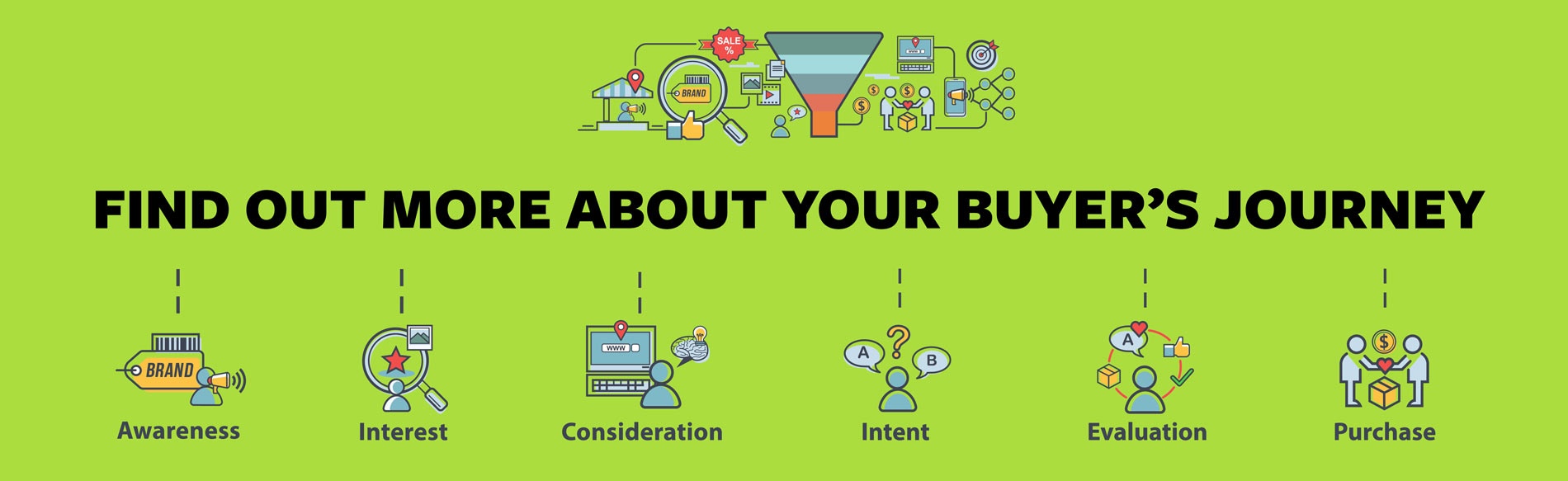
Fine Out About The Buyers Journey

Weed out bad fits and streamline the contact process

One possibility of having a website that may sound counterintuitive is that some companies end up with fewer people contacting them for a bit. Why would that be? It’s because if you have enough information on your website, customers can decide from there if you’re a good fit. You’ll be less likely to get tyre kickers and more likely to get people who are already interested in what you offer. This can also save you time. You’re less likely to have to put down your tools and stop what you’re doing to answer a call that leads to nothing or to answer a quick question. Instead, if this information is online, you can focus on what you do best– plain old fashioned hard work!

A website can prove you’re the expert

Customers want to know all their options to make the best decision for them. Remember, they don’t hold all the knowledge that you do as an expert in your field. I recently had a friend build a house and when asked about what sort of windows they wanted they just didn’t know what they didn’t know and felt like a deer in headlights. What are the options, what are the colours, styles are there extra things I can add? They didn’t know. If the customers don’t know this information ahead of time, that means more time for the worker to explain the options–or worse, don’t do it at all!

Simplify your processes

Helping your clients understand what you do and what you offer can save you time when it comes to quoting as well. With you providing everything they need to know on a simple, well-designed website, research is enjoyable and gives them time to figure out what they do and don’t like. A website can take away some friction for you quoting as well you can have an informed two-way conversion with the client as to why that may or may not work. You have educated them before bombarding them with industry jargon and on-the-spot decision making.

If there is one thing you don’t want is a house full of windows that just aren’t quite right and Joe down the road has all the bells and whistles that you didn’t even know existed. You owe it to consumers to share what you do and how well you can do it. Sometimes people want to be inspired by work they see online and how they can go about creating this for themselves and sometimes they just want to make sure that your services fit what they are looking for so they are not wasting your time.

Think about last time that you bought something with a difficult buying process that left you feeling in the dark. A website can help make sure you aren’t doing that to your potential customers!

Want to find out more about websites? Click a button below!

What Will It Cost To Get You A Website?

Do I Need A Website If I Have Facebook?

Are you accidentally harming businesses you love through online ratings?

Online ratings and customer reviews are one of the most important metrics to help first-time visitors decide to visit a company. Most review sites such as Google Reviews, Yelp, and Trip Advisor use a five-star rating system where 1 is the worst and 5 is the best. Something we’ve noticed, especially for local businesses, is that some satisfied customers are leaving low review scores, yet their review is nothing but praise. Some people have even admitted to never giving 5 star reviews. If you’re one of them, we hope this article will help change your mind.

A 3 star review is NOT a good review score. It means you were unhappy and that the business didn’t deliver on its promises and expectations. Even if you personally think 3 stars means a job well done, the majority of people see the scale a different way. Satisfied customers giving poor star ratings is frequent enough that we think that some people are misunderstanding what the star rating on some of these sites mean.

Happy customers giving those 3-star ratings could accidentally be harming a business they love.  A couple of these for the same business could  lower the online rating enough for people to not bother clicking in and reading more, all because satisfied or even regular customers rated it poorly. Are you one of them?

Continue reading “Are you accidentally harming businesses you love through online ratings?”

AMP Up Your Website for Mobile Devices

When you’re out and about, you’ve probably noticed that it seems like people spend more time on their phones than they used to. And it’s true; the data backs it up. In the last four years, the amount of mobile data usage has quadrupled, and according to Google, mobile is now the go-to choice for browsing the net, and their mobile-first index is now in effect.

Yet, a lot of sites are still buggy or slow on phones and tablets. Speed is a huge issue. Nobody wants to sit around waiting for sites to load, and to help out, Google has created the AMP framework that anyone can adopt for their sites to load faster, but it has a few requirements your site must meet first.

What is AMP?

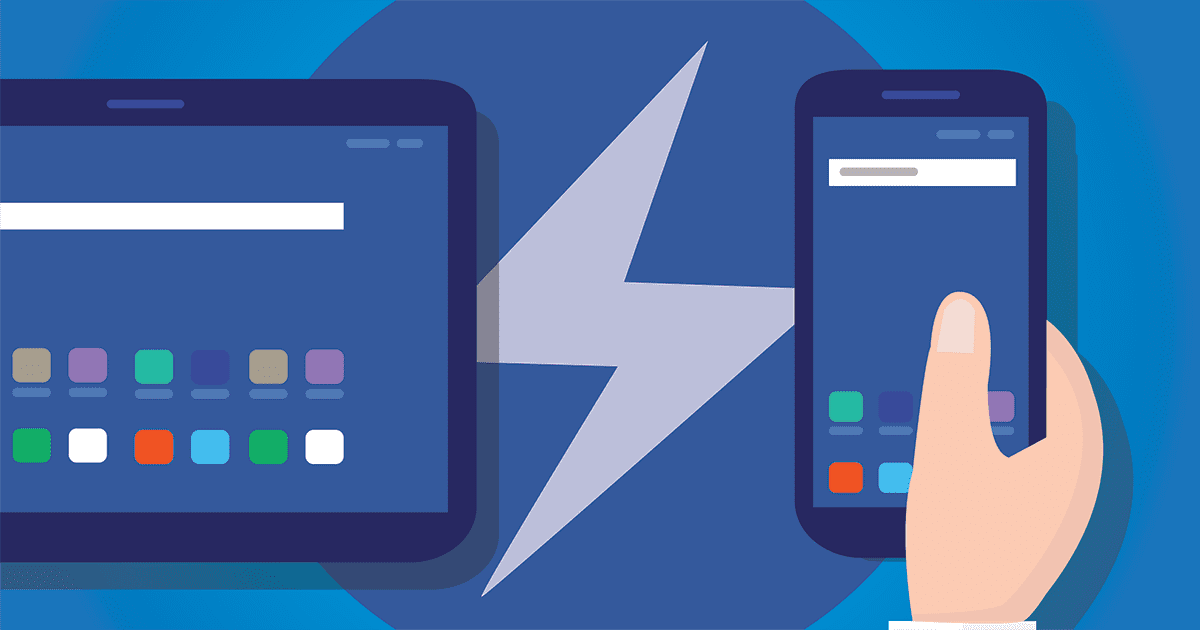
AMP stands for Accelerated Mobile Pages, and the goal is to make pages load lightning fast on tablets and phones. An AMP page is a simplified version of the code created specifically for mobile that is stripped down to optimise for speed.  Pages using the AMP framework have a little lightning bolt next to them on the Google search results.

While this stripped-down code does come with some restrictions and limitations, for many business owners the speed advantage is worth the change. And for the most part, sites look and function the same as they did without AMP—only faster. AMP pages don’t allow custom JavaScript (unless in the amp-iframe) and have a size limitation for the stylesheet, and instead uses an optimised script that loads faster.

Accelerated Mobile Pages

The AMP Logo


Are there other benefits to AMP pages?

The main benefit of AMP is to deliver lightning fast, amplified pages to users. But you might find that you get some other benefits as well, such as:

  • More likely to have a higher spot in Google when someone searches on mobile
  • Less load on your web servers so performance can go up
  • Potentially higher chance of display network ads being shown if your site has advertising
  • Chance to be featured at the top of Google results in the Top Stories Carousel. 

AMP is great thing to implement on your site. Just keep in mind that it requires making changes to the code of your website, and it’s important to pay close attention to make sure it’s done right so your website keeps working. If you aren’t comfortable doing this or aren’t sure how to access or change the code, the team at Back9 has an experienced website development team that’s happy to help!

Colour me Impressed! Why Colour in Design Matters

Everybody has a favourite colour, something that stands out and brings positive feelings. One theory is that individual humans perceive colour differently; so really, everyone’s favourite colour looks the same, but they call it something different (So everyone’s favourite colour is teal of course). But if we agree that most people see colour roughly the same way, we can agree that certain colours mesh while others clash. So how is colour used in design?

There’s a lot more to colour than simply matching well. Have you noticed that brands aiming to be high-end use colours like black and dark purple, while brands that want to show nature and health use greens and browns in their branding and logo? When choosing what colours to use for your brand, there’s a reason our designers don’t simply ask what your favourite colour is and translate it into hexadecimal colour code.  Like font choice, colour also has meaning. And while the subconscious feelings behind colour might not be exactly the same for everyone, in general, colours give off specific feelings and meanings that are all considered when designing your brand.


Colour Coding

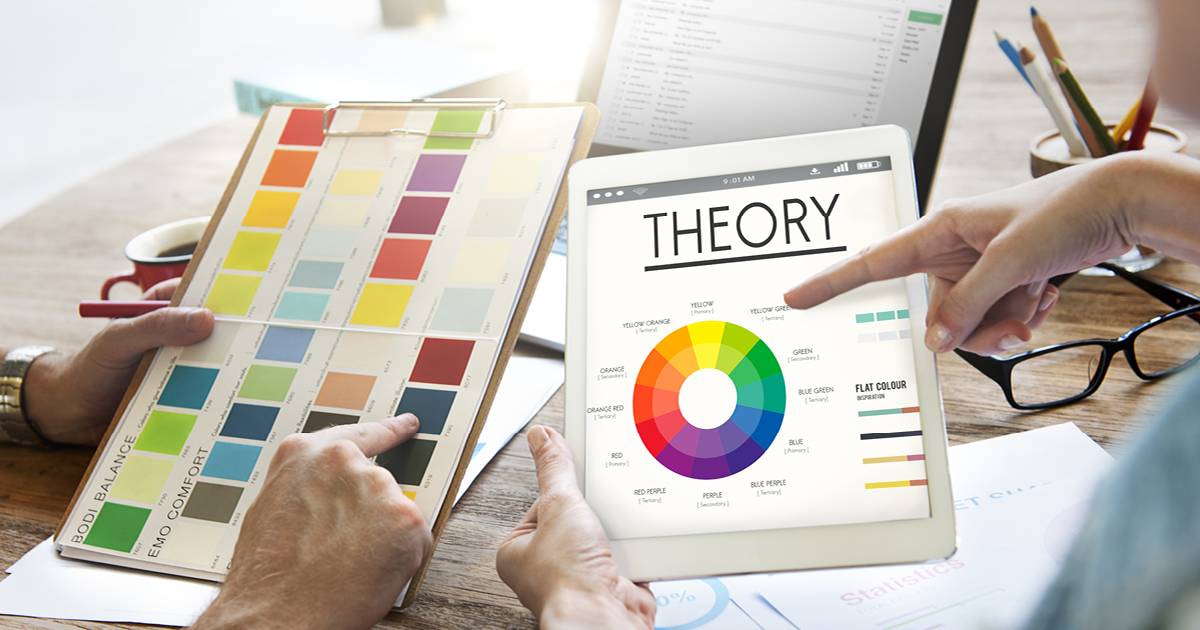
Colour science is a field of science that studies colours, how to apply colours through technology, and the effect of colour on thoughts and behaviour, and is even a Master’s Degree in the EU.  While the correlation between colour and its effect on moods, imagery, and behaviours isn’t concrete or the same for everyone, in general, certain colours suggest certain features for many people, and colour choice is much more involved than simply what looks cool.  So what do these colours typically represent and when is a good time to use them?

RedColour Swatches11

Red is a colour of action. It represents passion and excitement, and creates a sense of urgency. The colour red has the potential to trigger more raw, powerful emotions–but can do so for both negative and positive ones, so should be used with caution.


OrangeColour Swatches6

A colour that ranks high for making products seem less expensive is orange. A bit more on the playful side, orange typically is suited for more fun or adventurous brands. It’s typically not ideal for formal, corporate ones. If used poorly, it can instead make a brand appear childish and immature.


BrownColour Swatches12

Brown is earthy, the colour of tree bark in the forest and the ground beneath. It’s a solid choice for companies that want to look natural or organic. This feel is emphasised when combined with other earthy colours such as green. It’s often seen as an honest, trustworthy colour, but used badly can look dirty or unrefined.


YellowColour Swatches

The colour of happiness and sunshine, yellow is youthful and vibrant. While it tends to have a lot of positive effects such as optimism and increasing sales, it’s difficult to use well due to contrast issues and being hard to read. Using a wrong shade in the wrong contest can also look unclean or smudgy.


GreenColour Swatches4

Choose green when going for something healthy and fresh. As the colour of grass and leaves, green has gained traction as being the colour of environmental friendliness. When used properly with food, it can show vitality and healthiness… And when done wrong, make people think of unpleasantness such as mould.


BlueColour Swatches3

Blue is on the opposite end of the colour wheel to red, and has a calming, cool, feel. It’s often used as the colour of logic, reason, and wisdom. While it’s usually a safe choice, the conveyance of reason can make it feel cold, unfriendly, and emotionless.


PurpleColour Swatches2

For much of history, purple has been the colour of royalty, and thus still has an air of luxury to it. And, since royalty is “more elite” than non-royal, purple brings about feeling of sophistication and superiority. But, that can also become a negative if used improperly and can be seen as over-extravagant or elitist.


PinkColour Swatches7

Pink is a great choice to show caring and gentleness. It exhibits youthfulness and represents hope and is a bold choice to help a brand stand out.  But when used poorly, it’s more likely to look childish or needlessly rebellious.


BlackColour Swatches10

Used somewhere in a good portion fo designs, black shows power and luxury. Many high-end brands use black and white palettes to show sophistication and simplicity, that the product or service is good, plain and simple.  Like blue, black can also show coldness or even heaviness and seem domineering when used poorly.


WhiteColour Swatches13

Often representing cleanliness and purity, white is used often by modern brands. Usually, white is the best colour for the background of a website so that attention isn’t drawn away from other elements. This means using white for branding requires using an offsetting background colour like white, and using it wrong can look boring, empty, and plain.


So remember that colour is complicated, and the meanings behind colour is just one of the many things our designers think about when designing your brand, website, and logo!


9 Ways to Become a Professional Networking Professional

Networking. It’s something the experts just won’t shut up about. How do you get that dream job? Networking. With proper networking, you can get the job before it’s advertised! What comes up when you type in “best way to get new customers” into Google? Networking. Even articles about “creative ways” to get customers will mention showing off your existing customers or using your existing network. How do you have an existing network? Networking!

Continue reading “9 Ways to Become a Professional Networking Professional”

The CRM of the Crop

Everyone knows getting the cream is better than getting the… Not cream.

And for databases, that cream is a Client Relationship Management system, which is literally CRM. Programs like Excel are great for organising data into columns and rows so you can find it later, but what about when you want to pull out specific bits like which customers live in Winton and have a first name starting with J? Okay, that may be too specific, but a CRM like Hubspot, can help you segment your database into useful groups. That helps you send the messages to the right people at the right time.

What is CRM?

Cream with fewer letters. It’s also a piece of software that helps you build a comprehensive customer database. A good CRM does more than just store names and phone numbers. There are many benefits to building a good customer database. You can make separate lists based on what type of customer someone is. Are they a subscriber who’s a big spender who camps out on your front door every time you have a new product so they can be the first to have it? What about ones that only resurface for big sales? You can connect your lists to buyer personas to reach them in the way that best suits them.


Big CRMy Bytes of Data

If you’re hungry for data on your potential customers, a CRM will give you more bytes than you can crunch. Wondering who opened your last email? There’s data on that, hard data that your best friend who “reads all your emails” can’t deny. Data like that is useful on an individual level, but it can also help see what type of messages get a better response.

Take this as an example; you wrote several emails and decided to do A/B testing—an option with CRMs where you can test two versions of a message—and then look at the detailed results a week later. Instantly, you see the one titled “Buy a new white shirt, get a pizza to dirty it up” had an open rate of 75% and dozens of people clicked your “Free pizza please” button at the bottom. And your other email, “Buy one new white shirt, get a second at double price”, also had a decent open rate of 50%… With nearly everyone clicking on that little unsubscribe link at the bottom.

“Wow, maybe I should give people stuff instead of charging them extra!” You say afterwards when you analyse the results. It’s brilliant ideas like that you can get through the use of CRM data.

CRM your opponents in the sales game

Effective Inbound marketing is a marathon, and using CRM is like taking a secret shortcut to finish faster.

While your opponents take the long way—sending dozens of emails and making blogs and social media posts based on trial and error with a lot of guesswork—you can skip some of those steps and figure out what’s working faster, letting you CRM your opponents by getting to the same point quicker and with less effort and fatigue. Be the CRM of your crop by rising to the top and see how a CRM can help you now!