
Quality Score: A Primer for the Power Behind Google Ads

Have you ever heard of “Quality Score” when it comes to Google Ads? Chances are, if you’ve been managing a digital marketing budget, you have. Quality score is the almighty and mysterious metric that affects the performance of your CPC campaigns. But what does it mean, exactly? Let’s explore.

What Is Quality Score?

Quality score is a complex algorithm, used by Google Ads to measure the s and relevance of keywords, ads, and landing pages in your campaign. It takes into account your click-through rate (CTR), ad relevance, landing page experience, as well as several other factors. The higher your score is, the better your ad will rank organically on Google. Essentially, the quality score helps determine how much you pay per click (CPC). The higher your score is, the lower your CPC will be.

Why Does your Score Matter?

The answer to this question is simple: Quality Score matters because it affects your cost-per-click (CPC) rate. The higher your score is, the lower your CPC will be; conversely, a lower score can result in a higher CPC rate for each click to reach potential customers who could benefit from what you offer. Additionally, a high-quality score increases visibility for future prospects and can help increase overall ROI for any given campaign.

How Can You Improve Your Quality Score?

Improving scores isn’t rocket science — or at least it doesn’t have to be! Here are some tips on how to improve yours:

  • Optimize Your Keywords –Make sure that you are targeting relevant keywords with high search volume and low competition;
  • Write Relevant Ad Copy– Make sure that all ad copy speaks directly to what potential customers are searching for;
  • Create Targeted Landing Pages –Make sure that landing pages provide information about what was advertised in an easy-to-find manner;
  • Monitor Performance Regularly – Constantly monitor performance and make tweaks as necessary;
  • Utilize Negative Keywords – Make sure that irrelevant searches don’t send people to irrelevant pages on your website!

Ultimately, improving quality scores starts with your website. If you have a well-maintained and highly optimised website, that is a great platform to build off. Remember if your website sucks, it won’t convert – no matter how well you think you have optimised your google Ad campaigns.

The next step is understanding how people interact with search engine results pages (SERPs) and making changes accordingly. It also means understanding which parameters matter most when setting up campaigns and optimizing them accordingly so they perform better over time.

A &Quot;Working Website&Quot; Picture Pasted On A Cardboard Box

Quality Score is one of those metrics that can make or break any digital marketing effort — especially when it comes to Cost Per Click (CPC) campaigns like with Google Ads. By understanding what factors go into determining Quality Score — such as CTRs, ad relevance & landing page experience — business owners & CMOs can adjust their campaigns accordingly & optimize for maximum ROI & visibility online! With these tips in mind, you’ll be able to get ahead of the game & take advantage of every opportunity available from Google Ads! So get out there & start optimizing!


Has Custom Web Development Been Killed by Wix, Squarespace and Shopify?

With the rise of platforms like Wix, Squarespace, and Shopify, it’s easy to assume that custom website development has become a dying profession. After all, why hire an expensive web developer when you can do it yourself with one of these free or affordable platforms? Well, the short answer is that custom web development is still alive and kicking. Let’s take a look at why this is true.

Customisation

The main reason why custom web development will always be in demand is customisation. Sure, you can create a website in minutes using one of these platforms but it won’t be unique. Your website will look like thousands of others out there!

This means it won’t stand out from the crowd and won’t give your business any competitive advantage. Custom web developers are able to create websites tailored to your brand’s needs. That means you can stand out from and stay ahead of the competition.

SEO & Performance

Another important benefit of custom web development is Search Engine Optimisation (SEO). These days, if you want your website to rank in Google search results (and who doesn’t?), then you need an SEO-friendly website structure and optimised code. This kind of optimization cannot be done on Wix or Squarespace websites. That’s because they don’t allow access to their source code. Also, custom web developers can optimise your website for loading speed too. This can make it load much faster than a template-based platform like Shopify. Faster loading times mean better user experience which in turn leads to higher conversion rates. And ultimately more money in the bank!

Security & Maintenance

Custom websites offer much more security compared to template-based sites because they are built from scratch without any pre-made plugins or modules that might be vulnerable to hackers. You may be wondering is Website maintenance is really that important. Well Yes! Custom developers can build maintenance plans into your website too. That means any updates or changes can be easily done. And even better, without needing an IT specialist every time something needs fixing or updating.

The Benefits of Custom Web Development

Custom web development offers more than just aesthetics. It can help create unique experiences that stand out from competitors. It also offers more control over the website’s functions and features. A custom site can be tailored specifically to your exact needs and objectives. Furthermore, it can allow you to scale as time goes on. For example, implementing new innovative technologies. This may be such things as artificial intelligence (AI) and machine learning (ML).

Custom web development also allows you to add plugins or extensions that enable you to do things like track analytics, collect data, and even automate certain processes. This level of customization means that your website can really stand out from the crowd. Plus, if you decide at any time that you need something specific added or changed on your website, a professional developer will be able to make those changes quickly and efficiently.

The Drawbacks of Pre-Built Web Builder Platforms

Whilst there are some advantages to using pre-built platforms such as Wix or Shopify, there are also some drawbacks which may not be immediately obvious. One of the main drawbacks is that these platforms are limited in terms of design options; plus they don’t offer much flexibility when it comes to adding new features or functionality. Another downside is that many of these pre-built solutions have certain restrictions which means you may not be able to customize your website in the way that you want. Additionally, since everyone else is using the same platform as yourself, there is little chance for differentiation between sites – meaning yours won’t stand out from its competition.

Custom Web Development isn’t going anywhere anytime soon!

Businesses of all sizes have realized the importance of having a well-designed, optimized, and secure website – something that template-based websites simply cannot provide. Whether you have an existing website that needs optimizing or are looking for a fresh start with a new site – you should definitely consider working with a professional web developer as they will ensure that your site looks great while also giving you a competitive advantage over other businesses in your field. Don’t let the “web development star” die! Hire a professional today!

Outsource Your Marketing for Maximum Efficiency

If you’re a business owner or marketing manager, then you know how challenging it can be to manage all your marketing needs. From developing a marketing strategy to executing campaigns and analyzing results, there is just so much that needs to be done. That’s why outsourcing your marketing to a professional agency can be an effective solution. Here are some reasons why you should consider outsourcing your marketing efforts.

Time Savings & Cost-Effectiveness

Hiring an agency allows you to save time, money, and resources as they have the necessary skills and expertise to take over the whole process of managing your digital marketing campaign. By relying on professionals, you don’t have to worry about hiring extra staff or dealing with the recruitment process—which can be expensive and time-consuming. Plus, they will be able to provide advice and insights into what works best in certain situations so that you don’t have to figure it out yourself.

Outsourcing marketing Give Access To Expertise & Experience

When looking for an experienced marketing agency, look no further than Measurement Marketing! Find a team consisting of experienced people who specialise in digital marketing disciplines such as Graphic Design Search Engine Optimisation, content creation, website design & development, email campaigns, marketing automation, and more! A good agency will understand trends in the industry as well as emerging technologies that can help improve your overall online presence. This makes them an ideal partner for any business looking for reliable results from a trusted team of experts.

Focus On What Matters Most

When you own or run a business there’s enough to do right? With up to 10 hats of business that you can be wearing at any given time, time is not your friend. Whilst initiatives like Digital Boost NZ suggest you can do it all yourself. Is it really feasible? Outsourcing your marketing efforts gives you more time and resources to focus on what matters most – running your business! By entrusting all your digital marketing needs with Metric Marketing, we will handle everything from strategy development to execution and analysis of results so that you can focus on taking care of other aspects of your business such as customer service or product innovation. This way, you can rest assured knowing that your digital presence is in good hands while still having control over every decision made by our team.

Outsourcing your marketing needs is an excellent way to maximise efficiency and ensure success without breaking the bank or sacrificing quality results. With the right partner like Metric Marketing at your side, you’ll have access to expert advice and experience that helps make sure your campaigns reach their full potential while giving you more time & resources back in order to run other aspects of the business more efficiently. So if you’re serious about taking advantage of all the benefits that come with outsourcing your digital presence management, get in touch with us today! We would love to hear from you!

Customer Lifetime Value – What’s Yours?

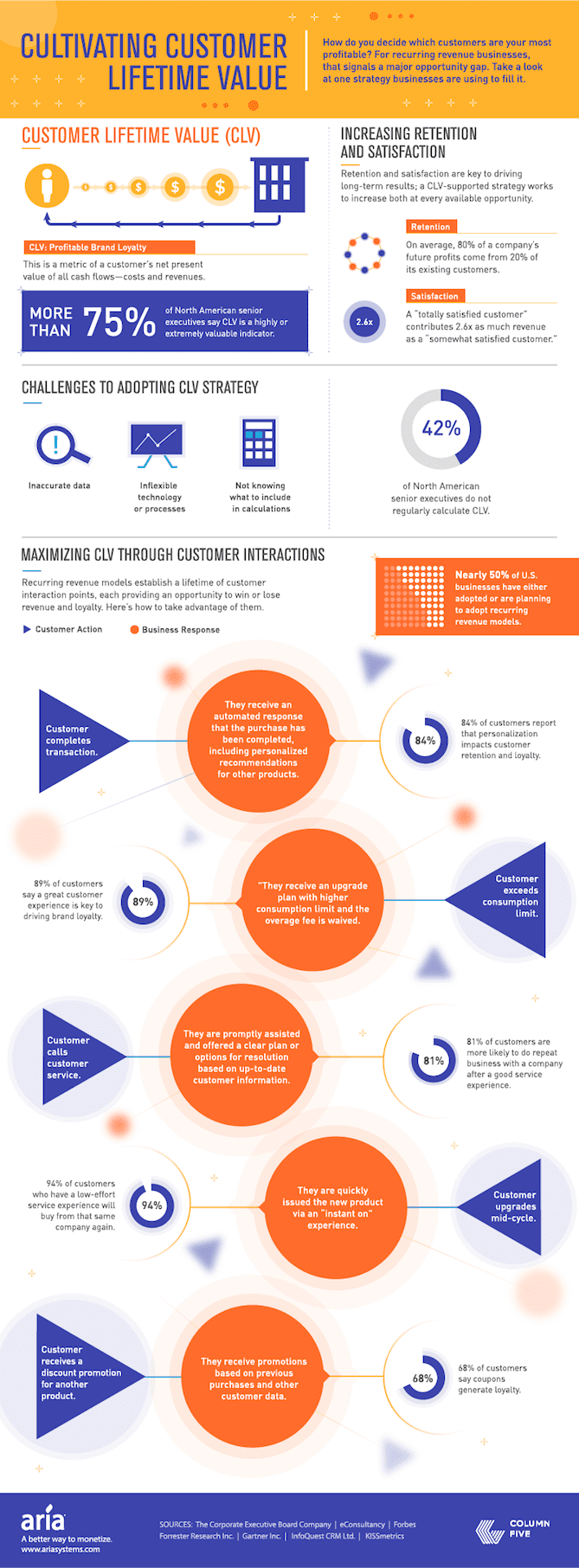
If you’re in business, you know that customers are the lifeblood of your company. But do you know how to measure their worth? Do you know what their customer lifetime value is? You should! Knowing your customer lifetime value is critical for understanding whether or not your marketing and sales efforts are paying off. Let’s look at why it’s so important to understand this metric and how to calculate it.

What Is Customer Lifetime Value?

Customer lifetime value (CLV) is a metric that measures the financial worth of a customer over the course of their entire relationship with a company. It’s calculated by taking into account factors such as purchase frequency, average purchase price, and estimated customer lifespan. By understanding CLV, businesses can identify which customers are most valuable and tailor their services accordingly.

How to Calculate CLV

Calculating Customer Lifetime Value (CLV) isn’t an exact science – there are many variables that need to be taken into account when determining an individual customer’s financial worth. However, there are some basic steps you can take to get a good estimate of your overall CLV:

  1. Estimate future revenue: Start by estimating the amount of revenue each customer is likely to generate in the future (over the course of their “lifetime”). This includes taking into account any upsell opportunities, loyalty programs, etc.
  2. Calculate cost per acquisition: Next, calculate the cost per acquisition (CPA) for each customer – i.e., how much does it cost you to acquire a new customer? This figure should include things like marketing expenses as well as any costs associated with servicing existing customers (such as support staff).
  3. Calculate retention rate: Finally, calculate your retention rate – i.e., how many customers do you keep over time? This rate will vary depending on the type of business you’re in; for example, subscription-based companies tend to have higher retention rates than one-off retailers or service providers.
Customer Lifetime Value Calculation Visual

Image credit: Hubspot

Knowing your Numbers is Important

Knowing your customer lifetime value is essential if you want to maximise profits and ensure long-term success for your business. By calculating this number accurately, you can identify which customers are most valuable and focus on developing content for lead generation. Not only, can you then attract that ideal customer throughout their buyer’s journey. And then strategies that retain them over time. So don’t wait – start calculating your own Customer Lifetime Value today!

Will AI Put an End to Google, Content, and More?

If there’s one thing we can be sure of in the world today, it’s that Artificial Intelligence (AI) is taking over. AI technology is already being used in a variety of industries and applications, from autonomous vehicles to medical diagnosis systems. But what does this mean for Google, content marketing, and other digital services? In short—maybe not as much as you think.

AI and Search Engines

Despite the fear-mongering headlines some outlets produce regarding AI’s potential impact on search engine optimization (SEO), Google isn’t going anywhere anytime soon. Although its search algorithms are constantly being tweaked and improved by AI, Google remains firmly in the driver’s seat when it comes to SEO—for now. They explain here some of the benefits of embracing artificial intelligence. But for the conspiracy theorist in you (if any) you might be wise to start exploring Bing or DuckDuckGo for your web page optimization needs if you don’t want to rely solely on Google for your search engine results.

Content Marketing and Artificial Intelligence

The good news is that content isn’t going anywhere either—at least not yet. Content marketing still remains one of the most effective ways for businesses to attract their target audiences and convert them into paying customers. However, many experts agree that content marketing will become more automated over time as Artificial Intelligence continues to evolve and improve. This means that content creators should start brushing up on their automation skills if they want to stay ahead of the curve!

Shifting Digital Landscape

One thing is certain: AI technology is changing the digital landscape at a rapid pace. As more businesses invest in automated solutions like chatbots and voice assistants, the way we interact with technology will continue to evolve—and quickly. So while it might seem daunting to try and keep up with these changes, rest assured knowing that there will be plenty of opportunities available in this new digital economy!

Nothing can replace human creativity

AI technology has undoubtedly changed—and will continue to change—the way we interact with technology forever. While it might seem intimidating at first glance, there are plenty of opportunities waiting for those who are willing to explore them—from SEO optimization and SEM strategies for search engines like Google or Bing all the way down to automated content creation for marketing campaigns. And although nothing can replace human creativity just yet, embracing AI technologies can certainly help you take your business into the future!

Does Google Ads Charge GST?

When it comes to running a successful business, you need all the help you can get. And when it comes to marketing, one of the most helpful tools is Google Ads. But before you start spending your hard-earned money on advertising, you may be wondering “Does Google Ads charge GST in New Zealand?” Let’s find out!

What is GST?

First things first, let’s talk about what GST (Goods and Services Tax) actually is. In New Zealand, GST is a 15% tax that applies to most goods and services purchased in the country. It’s charged by businesses or individuals who are registered for GST. As a business owner or entrepreneur, it’s important to understand how this tax works and how it affects your bottom line

Does Google Ads charge GST?

The short answer is yes – Google Ads does charge GST in New Zealand. According to the official website, all advertisers must pay an additional 15% Goods & Services Tax (GST) on their monthly invoice unless they provide a valid NZ GST number at the time of payment. This means that if you are running an ad campaign in New Zealand, you will need to factor in this cost into your budgeting plan before making any purchases

How do I pay for my Google Ads campaigns?

When paying for your Google Ads campaigns in New Zealand, there are a few options available.

  1. Credit or Debit Card
  2. Direct debit from a bank account
  3. Pay an Agency to Manage your payments (additional fees apply)

With these options, you will be required to enter a valid NZ GST number. This is so the fee can be applied correctly on your monthly invoices. If you don’t have a valid NZ GST number at the time of payment then 15% Goods & Services Tax will apply to your monthly invoices as explained above. Additionally, if your campaigns are running outside of New Zealand then different taxes may apply depending on where those campaigns are being targeted (e.g., US sales tax).

GST on Google Ads is a bonus

As a business owner or entrepreneur looking to take advantage of Google Ads in New Zealand. It’s important that you understand how taxes such as Goods and Services Tax (GST) work. And how they affect your budgeting plan when making any purchases related to ad campaigns. Thankfully, with just a few clicks of the mouse, you can easily add your NZ GST number. It’s easy to do when setting up payments for your ads. This will help keep costs down while still allowing access to all the amazing benefits that come with using Google Ads! So if you’re ready to get started with advertising online why not get in touch with us today?

Add A Heading 2