
Does Google Listen to me for Ads? A Look at the Possibility

Updated August 1, 2024.

Have you ever had a conversation with someone and then wondered if Google was listening too? You were talking about a product or service, only to have it show up in your ads later. It was almost as if Google was eavesdropping. If this has happened to you, you’re not alone. People have been asking for years ‘Does Google listen for ads?’ Well, let’s take a look and see if we can get to the bottom of this mystery.

Does Google Listen To Us For Ads?

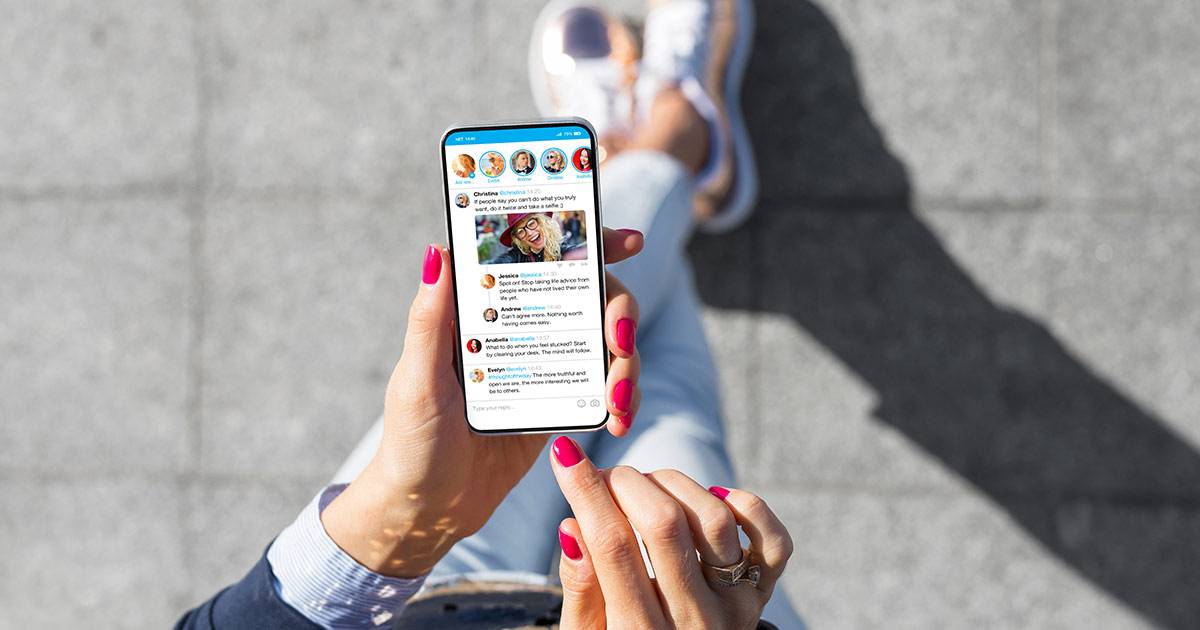
According to Google Ad Policies, they’ are’re not listening to our conversations for advertising purposes. And any correlation between what we talk about and the Google Ads we see is purely coincidental. That being said, there have been some recent reports and websites suggesting your phone is listening to you. Which, naturally, has caused quite a stir among privacy experts and internet users alike.

Christmas Lights 1
Image credit: Lifewire

How Does Targeted Advertising Work?

Even though it may seem like Google is spying on us, the truth is that targeted ads are simply based on our past searches and browsing history. This means that when you visit websites related to certain topics, those topics will eventually show up in your ads as well. And while this may seem like an invasion of privacy at first glance, it actually allows us to see more relevant ads. It’s how remarketing was born. The idea is that targeted ads cater directly to our interests and needs. Therefore making it easier for us to find what we’re looking for with minimal effort.

What About Smart Speakers & Microphones?

While many people use smart speakers such as Amazon Echo or Google Home, the microphones in these devices are not connected directly to their respective search engines (Google & Bing). Instead, they are used solely for voice commands – meaning that any information spoken within range of the microphone will remain private unless explicitly agreed upon by the user (such as when setting up a new account). Additionally, all audio recordings made by these devices are stored securely. This is so as not to be accessible by anyone other than the device’s owner/user.

Google says they are not listening to you for Ads

In terms of whether Google does Listen to you for Ads targeting purposes… Well they say they aren’t – but no one can confirm it one way or another with 100% certainty yet… So until then… It’s best just to assume that anything you say could end up being an advertisement somewhere down the line! All jokes aside though – targeted advertising does make life easier by allowing us to quickly find what we need without having to sift through irrelevant results. So there really isn’t much harm done there anyway! It looks like we may never truly know whether or not Big Brother (err…Google) is out there listening after all. But at least now business owners and marketing managers can make informed decisions about their online presence knowing what kind of data collection practices exist today.
Local SEO in 2022, what NZ Businesses Need to Know!

Read the Updated version for for Local SEO in 2026 here

Have you ever heard of local SEO? If you haven’t, don’t fret – it’s not as complicated as it sounds. In fact, if you’re a business owner in New Zealand, it could make all the difference for how successful your business is. Let’s dive into the basics of local Search Engine Optimisation (SEO) and how it can help NZ businesses succeed.

What is Local SEO?

Local SEO is an effective way to make sure that people in your area know about your business and find you quickly when they search for a product or service that your business provides. It involves optimizing your website to appear higher in search engine results pages (SERPs) when someone searches with terms related to your business and location. That way, when someone searches “vegan restaurants near me,” they are more likely to see a list of vegan restaurants near them—as opposed to those based in other parts of the world!

Why is Local SEO important?

In today’s digital age, many consumers turn to their phones or computer screens first when looking for information about local businesses. This means that if you want potential customers to be able to find your business online, then you need to invest in local SEO. With local SEO, businesses can increase their visibility online and reach more customers who are actively searching for the products or services they provide. As an added bonus, local search results are often prioritized over global or generic ones – which makes them even more likely to be seen by potential customers.

How does Local SEO work?

One of the most effective ways to optimize for local search results is with Google My Business (GMB). GMB is a free tool from Google that helps businesses manage their online presence across Google Search and Maps. For a deeper look at optimising your local presence for Google Maps SEO, see our dedicated guide. It allows businesses to create profiles that include information such as physical addresses, opening hours, contact details and much more – all of which helps ensure that potential customers can easily find information about your business online. Additionally, GMB also provides valuable insights into how customers interact with your business profile – including clicks through rates on links, customer reviews and more!

NZ businesses can get more eyes on them

Local SEO has become increasingly important over the past few years – especially for small businesses located in New Zealand who want to get noticed online. With tools like Google My Business allowing businesses to easily create profiles and manage their online presence across multiple platforms – properly utilising local SEO can help get more eyes on your business and drive more sales! So if you haven’t already done so – now is the time for NZ businesses owners to start investing in local SEO! Now all you need to do is figure out How to find the best SEO agency

Seo-Graphic-Linking-To-Back9-Creative-Seo-Pricing-Nz

What Is Data-Driven Marketing & Why Does It Matter?

Ever hear the saying “Data is the new oil.”? Well, in this day and age, it’s not just a saying—it’s a fact. Having access to data-driven marketing insights will make or break your business. But what exactly is data-driven marketing? And why is it so important? Let’s take a look.

What Is Data-Driven Marketing?

Data-driven marketing (DDM) means using data to inform your decisions when it comes to marketing tactics and strategies. Using data helps you understand what works and what doesn’t when it comes to the success of your campaigns. It also allows marketers to target customers more effectively by creating customer profiles based on customer behavior, interests, and demographics.

Why Is It Important?

The importance of DDM cannot be overstated. For one thing, it gives marketers the ability to make informed decisions about where their money should go when it comes to advertising budgets and other expenses associated with running campaigns. Data also provides insight into how customers are interacting with their brand, allowing them to adjust their strategy accordingly. Finally, DDM helps marketers create more effective content that resonates with their target audience by providing valuable customer insights that can be used in content creation.

Data-Driven Marketing vs. Traditional Marketing

When it comes to marketing strategies, there are two approaches you can take: data-driven marketing and traditional marketing. Both have been around for a while now but they’re still very different. If you’re trying to decide which one is best for your business, let’s take a look at the pros and cons of each approach so you can make an informed decision

Traditional Marketing

Traditional marketing has been around since the days of print advertising, radio spots, and television commercials. It’s a straightforward strategy that relies on creating messages that appeal to the general public. Traditional marketing is useful in building brand awareness and engaging with customers on an emotional level, but it often lacks the precision of data-driven marketing. Traditional marketing is Outbound – Or Mass Marketing. Mass Marketing is interruptive and expensive. And in terms of that lack of precision, it is difficult to measure the results. So is traditional marketing broken? And if so does that mean Traditional Web Design is broken too?

Image-Link-About-Growth-Driven-Web-Design-Back9-Creative

Data-Driven Marketing

Data-driven marketing is essentially another word for Inbound Marketing. It takes a more calculated approach than traditional marketing by leveraging data to inform your strategy. By gathering insights from customer behavior data, you can gain valuable insight into what makes them click, buy, or share your content — giving you a better understanding of who your target audience is and how best to reach them. This strategy allows you to create more effective campaigns that generate results in real-time. It also allows businesses to track their ROI more accurately because they know exactly which campaigns are working and why.

Start Leveraging Data Today

Data-driven marketing has become an essential part of any successful business strategy these days. As technology continues to evolve, so too does the importance of having access to data insights that can help you make informed decisions about your marketing campaigns. With a comprehensive understanding of customer behavior and interests, marketers are able to craft highly targeted campaigns that are sure to drive results for their businesses. A data-driven approach isn’t straightforward. Data is only good if you know how to use it. Or know what you want to know or what information to collect. Understanding what’s the best spend of your advertising dollar is important too. But either way, if you’re not already taking advantage of DDM, now is the time! Start leveraging data today through an Inbound strategy and watch as your business grows leaps and bounds ahead of its competitors!

The Future of Marketing is Now! How to Market Your Business in 2023

2023 is right around the corner and with it comes even more opportunities for businesses and brands to market themselves. Afterall Today’s Marketing is tomorrow’s Sales right? And in this fast-paced digital world, businesses must stay on top of their marketing game if they want to remain competitive. Even if they think they are busy enough and think they are too busy to market their business.

Lucky for you, we’re here to break down what the future of marketing looks like. And even better, how you can use it to your advantage. Read on!

Personalisation at its Finest

Personalisation has been a major trend in marketing for some time now. However, in 2023, personalization should/will be taken to new heights. Companies will need to use AI-driven technology to create personalized experiences for customers. AI-driven technology will enable companies to track customer data and create targeted campaigns that are catered specifically towards each individual customer. This type of personalized approach will help boost sales and strengthen customer loyalty.

Marketing in 2023: Content Is Still King

No matter what year it is, content will always be king in the world of marketing. In 2023, content needs to be engaging, informative, and timely in order for it to stand out from the competition. To do this effectively, companies need to rely on data-driven insights. Insights that can provide them with valuable information about their customers’. Understanding their interests and behaviours can help you create content that resonates with them on a deeper level. This is where a CRM like Hubspot can be an invaluable tool. Additionally, companies should focus on creating high-quality visual content such as videos or infographics that will help them drive engagement and increase brand awareness.

The Power of Social Media

Social media has been a major player in the world of digital marketing for some time now. And its role is only growing bigger each year. In 2023, social media platforms such as Instagram and Snapchat will still remain popular among users but newer platforms such as TikTok will start gaining more traction due its interactive nature and creative possibilities. To leverage these platforms effectively, companies need to focus on creating high-quality visuals that capture people’s attention while also providing them with useful information about their brand or product. Additionally, companies should take advantage of the many features these platforms offer such as polls or live streams which can help them further engage with their audience. We recommend that you have a social media plan as part of your over-arching Digital Marketing Strategy.

Be Prepared for More AI-driven Content

AI (Artificial Intelligence) as mentioned above, is increasingly making its presence felt in the world of marketing. In fact, AI-driven content has been gaining traction over the past few years and is expected to continue growing over time. This means that businesses should be prepared to use AI technology when creating content such as videos and articles. Additionally, companies should consider leveraging AI tools like chatbots and recommender systems to optimize their customer service experience. If you’re hesitant about AI, that’s understandable. If you’re wondering will AI put an End to Google, Content, and more? Who knows? But one thing is for certain, it’s here and probably not going away any time soon.


Focus on Mobile Optimization

The rise of mobile technology has been one of the biggest trends of the past decade. Smartphones are now commonplace, and more people than ever before are using these devices to access online content. As a result, businesses need to pay particular attention to mobile optimization if they want to reach their target audience effectively. This includes optimizing websites for mobile devices, creating optimized ads for mobile platforms, and developing apps that meet user needs. So you definitely need to AMP up your website for mobile devices.


As you can see, there are plenty of ways for businesses and brands to market themselves in 2023 but they all come down one thing – staying ahead of the curve when it comes to cutting-edge technology. By leveraging AI-driven personalization techniques along with engaging visual content across multiple social media platforms, and keeping your customer at the center of everything with personalization, companies can position themselves well for success in 2023 and beyond! So don’t wait – start planning your digital marketing strategy today!

Digital Marketing Roadmap Product Image


Stop Talking About Yourself (And Start Talking To Your Customers)

Are you guilty of talking about yourself too much on your website and social media? You’re not alone! You’re trying to promote yourself and your business. You’re trying to tell the whole world you’re here and that you can help! The risk here is it’s easy to get wrapped up in the “me, me, me” mentality. But let’s face it—no one cares about(or resonates with) how great you are. Especially if you’re the one saying it. That doesn’t mean you shouldn’t talk about yourself at all, but your marketing should focus more on your ideal customer and their needs, rather than just talking about what makes you so great.

Focus On Your Ideal Customer

Your marketing isn’t about you. It should always be focused on your ideal customer. Who are they? What do they need? What problems are they facing? Once you know the answers to these questions, you can create content that speaks directly to them and resonates with them. Instead of talking about yourself or your product/service, focus on how it can solve their problem. This is one of the key things to creating the anatomy of a high-converting website. By addressing issues and creating helpful, relevant content, it will make it much easier for potential customers to see why they should choose you over others in the marketplace.

Be Clear & Concise

We all know that people have short attention spans these days so it’s important to keep your message clear and concise. Get straight to the point and tell them exactly what they need to know without rambling on for too long. Use simple language that anyone can understand and avoid using jargon or industry-specific terms unless absolutely necessary. Keep it short and sweet!

Make It Personal

One of the best ways to connect with your customers is by making it personal. Showing them that there is an actual human behind the product/service is key in building trust with potential customers. Try weaving a personal story into your content or feature quotes from happy customers who have used your product/services before – this will go a long way in convincing people they’ve made the right choice when choosing you over others in the market.

Remember that Marketing isn’t about you

At the end of the day, it’s important to remember that marketing isn’t about you – it’s about helping potential customers solve their problems by providing them with a solution. Put yourself in their shoes – what would make YOU choose one company over another? Focus on creating content that speaks directly to them and shows them why YOU are the best option for solving their problem or meeting their need. If you can do this successfully, then chances are those potential customers will become paying customers!