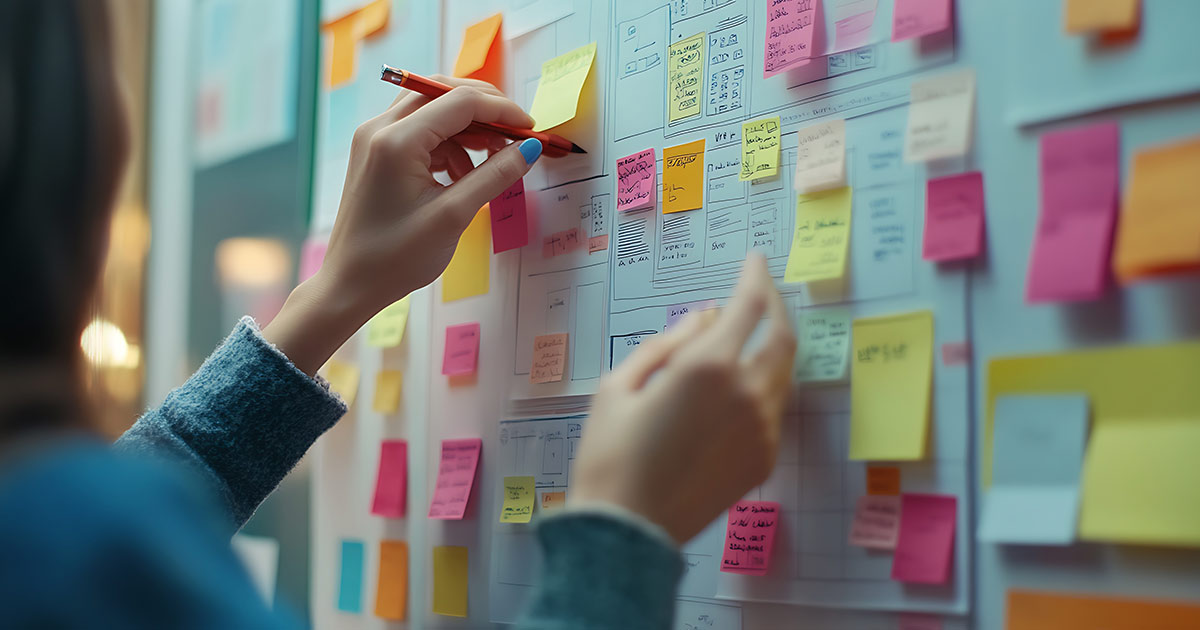
Are Websites in 2026 Getting a Passing Grade?

Introduction: The Rules Have Changed

For years, businesses judged their website by how it looked. Then if you’re lucky, came performance scores, mobile optimisation, and search rankings. But right now, are websites in 2026, is this still the case?

Well, today, in 2026, we can confidently tell you, the standard has shifted again.

A website is no longer just a digital brochure.

It’s a credibility engine — the place people, search engines, and now AI systems go to verify whether your business can be trusted.

In the past, strong design and basic SEO were perceived as enough.

In 2026, they’re now! A passing grade requires something deeper:

  • Clear expertise
  • Helpful content
  • Consistent signals of trust
  • And a structure that helps buyers qualify themselves before they ever speak to you.

The question isn’t just:

“Does your website work?”

It’s:

“Does your website build confidence (and therefore trust) from the start and before the first conversation?”

Are Websites in 2026 Getting a Passing Grade?

The average website still sits around the middle of the pack.

Many look modern.

Some may load faster.

But most still struggle with one thing:

They talk about themselves more than they help the buyer make a decision.

The biggest gap isn’t technical anymore.

It’s trust.

And that gap is growing as AI surfaces answers directly inside search results — meaning people often decide who they trust before they even visit a site.

The Four Metrics Still Matter, But They Mean Something New

1. Website Performance; Speed Builds Confidence

Performance is still about load times and efficiency.

But in 2026, speed isn’t just technical.

It’s psychological.

Fast websites feel more credible.
Slow websites feel uncertain.

Users expect pages to load instantly.
AI crawlers and search engines also favour clean, efficient architecture because it’s easier to understand.

A fast site signals clarity.

And clarity reduces doubt.

2. SEO; Visibility Is Now About Credibility

SEO used to be about rankings.

Now it’s about presence.

Your content might appear:

  • Inside AI summaries
  • In featured answers
  • Across social snippets
  • Or embedded in conversational search results

This means optimisation isn’t just technical anymore.

It’s educational.

Businesses that openly answer real questions — pricing, problems, comparisons, expectations — are easier for search engines and AI systems to trust.

The goal isn’t just traffic.

It’s becoming the source people rely on when they’re trying to understand their options.

3. Mobile; Friction Is the New Failure

Mobile design used to be about responsiveness.

Now it’s about flow.

If a visitor can’t quickly:

  • understand what you do
  • find helpful information
  • or feel guided toward a decision

they leave.

The best mobile experiences don’t overwhelm people.

They guide them.

Clear structure reduces hesitation — and hesitation is often what stops leads from moving forward.

4. Security; Trust Starts Before the First Click

Security has become a baseline expectation.

SSL certificates, updated libraries, and reliable hosting are no longer “nice to have”.

They are proof of professionalism.

Modern browsers warn users before they enter insecure sites.

And AI systems increasingly evaluate trust signals behind the scenes.

If your foundation isn’t secure, everything else becomes harder.

The Hidden Website Metric: Trust Momentum

Here’s what’s changed the most since the early 2020s.

Websites used to be destinations.

Now they are checkpoints.

People arrive after:

  • seeing content
  • hearing about you
  • reading reviews
  • or interacting with AI answers

By the time someone lands on your website, they are already forming an opinion.

Businesses that earn higher grades today do something differently:

They reduce uncertainty.

Instead of hiding information, they make decisions easier by being clear about:

  • who they help
  • what the process looks like
  • what to expect
  • and whether they are the right fit.

This approach builds trust long before a sales conversation begins.

What a Passing Grade Looks Like for Websites in 2026

A strong website now balances two things:

Technical Excellence

  • Fast loading
  • Clean structure
  • Secure architecture
  • Mobile-first experience

Trust Signals

  • Helpful educational content
  • Honest explanations
  • Clear expectations
  • Consistent messaging across channels

When these work together, something powerful happens:

Visitors don’t just browse.

They move forward with confidence.

Why Content Matters for websites in 2026: Now More Than Ever

AI-driven search has changed discovery.

Due to AI Overviews now commonly referred to as ‘Zero Click Search Results” People don’t always click links anymore.

Instead, they see summaries generated from trusted sources.

Screenshot-Of-Ai-Overview-In-Google-Answering-If-Websites-In-2026-Are-Still-Relevant

That means businesses need to create content that:

  • answers real questions
  • builds authority over time
  • and supports buyers at every stage of their journey.

Not more content for the sake of noise.

Better content that removes doubt.

The goal isn’t to push people toward a sale.

It’s to help the right people feel ready.

Conclusion — Passing the Real Test

In 2024, and 2025, the question was:

“Is your website technically strong enough?”

In 2026, the real question is:

“Does your website genuinely help people? Which means means they can trust you faster?”

Performance, SEO, mobile experience, and security still matter.

But the websites getting top marks today do one extra thing:

They lead with clarity.

They educate openly.

And they build trust across every channel; not just on their homepage.

If your website helps buyers feel informed, confident, and understood before they reach out, you’re not just passing.

You’re leading.

The Back9 Way: How We Build Digital That Grows Over Time

Most organisations find that building a website or digital system feels harder than it needs to be. Instead of clarity, it often creates friction, confusion, or just a lot of noise.

At Back9, we start with a simple belief:

As a leading Growth Driven Design Agency, we believe in creating seamless digital experiences that drive success.

Technology should help people do their work better, not get in the way.

That belief shapes everything we do.

Being a Growth Driven Design Agency, our focus is on enhancing user experience and driving engagement. To help and nurture potential customers to help them see if they are a fit. Then guide the, into a sale, or sale conversation

We exist to help organisations help people better. Sometimes that means making things easier for customers. Other times it means giving staff better tools or creating systems that serve a wider community. Either way, digital should reduce effort, not add to it.

When it’s done properly, it should make everything else easier.

Why Digital Projects So Often Fall Short

One of the biggest reasons digital projects fail is because they’re treated as one-off events.

A website gets designed, built, launched, and then left alone. A system goes live and becomes “good enough”. From there, people hope it performs, but rarely measure whether it actually does.

Over time, small problems compound. Content goes stale. User needs change. Business priorities shift. What once felt modern slowly becomes a liability.

This isn’t a failure of intent. It’s a failure of approach.

A Different Way of Working

Why Choose a Growth Driven Design Agency?

As a dedicated Growth Driven Design Agency, we ensure our strategies are data-driven and results-oriented.

We take an end-to-end approach to digital.

This is why partnering with a Growth Driven Design Agency can transform your digital presence.

That means we don’t just focus on the launch. We focus on what happens after.

As a Growth Driven Design Agency, we prioritise sustainable growth over quick fixes.

We design and build digital systems properly, then measure how they’re actually used. We look at what’s working, what isn’t, and where friction shows up. From there, we improve things continuously based on real data, not assumptions.

This approach is called Growth-Driven Design.

Working with a Growth Driven Design Agency means embracing an iterative improvement process.

Instead of guessing, we build, learn, and iterate. We make deliberate improvements over time, guided by evidence rather than opinions. The goal isn’t speed for its own sake. It’s progress that compounds.

Our Growth Driven Design Agency is committed to delivering measurable outcomes and enhancing user satisfaction.

Doing it properly beats doing it fast. And steady improvement beats a big, flashy launch every time.

We are proud to be a Growth Driven Design Agency that champions innovation and customer-centric solutions.

What This Delivers in Practice

Joining forces with a Growth Driven Design Agency can lead to unprecedented growth and success.

Working this way changes what digital becomes for an organisation.

Instead of something you maintain out of obligation, it becomes a genuine business asset.

We help growth-minded organisations turn their websites, software, and digital systems into tools that drive real, measurable results. Not just traffic or aesthetics, but outcomes that matter.

When digital is designed to improve with use rather than degrade over time, trust builds naturally. People find what they need. Processes run smoother. Decisions become easier to make.

A good digital experience isn’t loud. It’s dependable. And that dependability is what creates confidence.

Let’s explore how a Growth Driven Design Agency can elevate your business to new heights.

Who This Approach Is For

We’re not a quick-fix shop, and we’re not interested in shortcuts or hacks.

We work best with growth-minded business owners, marketing teams, and not-for-profits who are prepared to take a long-term view. Organisations that understand digital is an ongoing investment, not a box to tick.

If you’re looking for a partner to help you build something that grows in value over time — rather than something that slowly becomes outdated — then this approach is likely a good fit.

A Simple Next Step

Our goal isn’t to convince you.

It’s to help you find the right path forward.

If this way of thinking about digital resonates, we’re always happy to have a proper conversation about where you’re heading and whether we can help.

Imagine. Design. Execute. Amplify.

Banner-With-Blue-Gradient-Background-An-Image-Of-A-Calendar-And-A-Cta-To-Book-A-Meeitng-With-A-Button

Website Cost NZ: What You Really Need to Know

Building a website isn’t just a box to tick. It’s a business investment. But what are the influencers on website cost NZ? The answer depends on several factors—some obvious, others less so.

In this guide, we break down the real costs behind web design in New Zealand. From one-pagers to custom-built eCommerce sites, you’ll get a clear view of what affects price, what’s worth investing in, and what to avoid.

Why Website Costs Vary in NZ

Not all websites are created equal… And neither are their price tags.

Here’s what can push your website cost in NZ up or down:

  • Size and complexity – More pages and features = more time = higher cost.
  • Design approach – Custom UX/UI design costs more than using a theme.
  • Functionality – Booking systems, online shops, or custom forms all add to the bill.
  • Content – If you need copywriting or images, factor that in too.
  • Who builds it – A pro agency costs more than your mate from uni.

Think of your site like building a house. The structure, finish, and who builds it all affect the final price.

Common Website Types and What They Cost

Here’s a rough guide to website costs in NZ based on your business needs:

Website TypeBest ForTypical Cost (NZD)
One-page websiteStartups, portfolios$1,000 – $3,000
Brochure-style siteTradies, small businesses$3,000 – $6,000
Multi-page websiteGrowing businesses$5,000 – $10,000
eCommerce siteOnline stores$7,000 – $20,000+
Custom web app/siteHigh-spec functionality$15,000 – $50,000+

Prices vary depending on scope. More pages and features = more cost.

Key Cost Drivers to Be Aware Of

Here’s where the dollars stack up:

  • Design complexity
  • Number of pages
  • Mobile responsiveness
  • SEO setup
  • Custom features (e.g. bookings, logins)

Know what’s essential. Don’t burn budget on features that don’t support your goals.

Why You Shouldn’t Buy a One-Off Website Anymore

Here’s the hard truth: traditional website projects, where you pay once, get a site, and walk away, are broken.

Why? Because static websites don’t evolve. You launch them… and they just sit there. No updates or ongoing improvement. And generally, no performance tracking either!

The stats speak for themselves… Only 17% of all websites in all the world [wide web] are actively maintained.. And, in a world that moves at digital light speed, that’s a missed opportunity.

A better approach? Growth-Driven Design (GDD). It flips the model on its head. You start smart, launch fast, and iterate based on real data.

Traditional Website ❌Growth-Driven Design ✅
Big upfront costSmaller startup cost, then scale
Set and forgetRegular updates and testing
Built on assumptionsBuilt using real performance
No accountabilityOngoing support + insights

So when weighing website cost in NZ, ask yourself: what’s the real cost of launching a site and never improving it?

With GDD, you stay relevant, optimise results, and turn your website into a lead-generating machine—not just a fancy business card.

Traditonal-Website-Design-Is-Broken-Cta

One-Page Website Cost NZ

These sites are lean, fast, and straight to the point—great for simple messages or startups.

Cost depends on:

  • Whether you use a theme or go custom
  • How much content is involved
  • Any animations or fancy effects

Average one-page website cost in NZ: $1,000 to $3,000. But honestly, unless it’s a Growth-Driven Launchpad site, you’re wasting your time and money!

Multi-Page & eCommerce Websites

Need more content or want to sell online? Expect a higher build cost.

Multi-page sites suit businesses with lots of info—services, FAQs, blogs, locations, etc.

eCommerce websites need:

  • Payment gateways
  • Product setup
  • Shipping rules
  • Security certificates

These take time and cost more—but they’re worth it if you sell online.

Ongoing Costs: What You’ll Keep Paying For

It’s not just about building a site—you’ll need to keep it running, secure, and updated.

Cost TypeWhat It CoversCost Range (NZD)
DomainYour website address$30 – $50/year
HostingStorage and server space$150 – $500/year
SSL CertificateSecurity and trust$0 – $199/year
Basic MaintenanceBackups, updates, security$99 – $350/month

Budgeting for these avoids nasty surprises later.

Image-Button-To-Read-Website-Maintenance-Ebook

Custom vs Template: Which One Should You Choose?

Custom website design gives you a unique brand experience—but it costs more and takes longer.

Template sites are quicker and cheaper but may feel generic.

OptionProsCons
CustomUnique, flexible, scalableHigher cost, longer build
TemplateFast, budget-friendlyLimited customisation

Match your choice to your goals and your budget.

DIY Website Builders vs Hiring a Pro

.Platforms like Wix or Squarespace are cheap and cheerful, but come with limits. (These limitations are why we don’t work with Wix or Build websites with Squarespace).

Pros:

  • Cheap upfront
  • Easy to use

Cons:

  • Poor SEO
  • Limited functionality
  • Not built for scale

Hiring a pro gives you strategy, polish, and long-term results.

How to Get an Accurate Website Cost Quote in NZ

To avoid surprises:

  1. Define your scope – What do you want the site to do?
  2. List must-haves vs nice-to-haves
  3. Request quotes from multiple providers
  4. Ask what’s included – content, revisions, SEO, support?
  5. Clarify ongoing costs

More detail = better quote accuracy.

Tips to Maximise Your Web Design Budget

  • Start small, scale smart – Launch a solid base and improve over time.
  • Focus on value – Don’t overinvest in bells and whistles.
  • Think long-term – A good site should support you for years.
  • Budget for updates – Websites are never “done.”

You don’t need to overspend—just spend wisely.

Image-Cta-How-Much-Revenue-Can-My-Website-Generate

Website Cost NZ FAQs

How much does a website cost in NZ?
Realistically website cost in NZ can be anywhere from $1K to $ 20K+. Whilst ther are exceptions, the sweet spot for most growing businesses for a launchpad website is $5K–$10K.

Can I lower the cost?
Yes, use a template, reduce the number of pages, or write your own content.

Is SEO included?
Not always. Especially for cheap websites…Ask upfront. A site that looks great but can’t be found won’t do you much good. SEO is key to being found online. And if you are replacing an old site, make sure you’re getting your content and SEO migrated properly. That’s even more important if you are replacing domain names or changing page structure. Poor Website migration can harm your SEO and visibility within weeks, if not days. Trust me, I’ve seen it first hand!

Final Thoughts on Website Cost in NZ

If you want a site that works with your business, not just for it, plan ahead, budget smart, and avoid the trap of the one-and-done model.

Done right, your website should be an evolving tool that grows alongside your business and delivers real results.

A smart investment now beats a redesign every two years. Don’t just build a website… Build your ongoing digital competitive advantage.

Cta-Image-For-A-Free-Instant-Website-Audit-For-Growth-Driven-Web-Design

Why Growth-Driven Design Is Replacing Traditional Web Design

For years, traditional web design involved following the same tired formula: get a brief, disappear into a dev cave for 3 months, launch a shiny new site, and then… walk away.

In fact, only 17.3% of websites are actively maintained in 2025

That’s traditional web design in a nutshell. And it’s broken.

In a fast-moving digital world where customer expectations, search algorithms, and technology are constantly evolving, a “set and forget” approach just doesn’t cut it anymore.

That’s where Growth-Driven Design (GDD) comes in… And, it’s completely changing the game.

What Is Traditional Web Design?

Let’s call it what it is: a big, expensive gamble.

You pay thousands (sometimes tens of thousands) for a site based on assumptions, internal opinions, and one-off strategy meetings. Then, you wait.

3–6 months later, the site goes live. It’s technically “finished”. But by the time it launches, some of the content is more than likely already out of date, half the ideas you thought were brilliant aren’t actually working, and there’s no plan in place to improve it.

So it sits there. A digital business card collecting digital dust.

Enter Growth-Driven Design

Growth-Driven Design flips the whole model on its head. It’s smarter, leaner, often costs less upfront, and built to evolve. In short, it’s web design that grows with you!

Here’s how it works:

  1. Start with strategy: Understand users, goals, and pain points.
  2. Launch a lean Launchpad website quickly (often in 30–45 days).
  3. Track real user behaviour and performance from Day One.
  4. Make regular improvements based on data, not assumptions.

Instead of a bloated site with features no one uses, you get a high-performing, constantly improving digital asset that actually grows with your business.

Why Traditional Web Design Fails (Almost Every Time)

  • Takes too long to launch
  • Goes over budget
  • Built on assumptions, not evidence
  • Has no post-launch improvement plan
  • Doesn’t adapt to user behaviour or business changes

It’s like buying a brand new car and never servicing it. Eventually, it just stops performing – or working at all.

Why Growth-Driven Design Works

1. Launch Faster

You get to market quicker with a Launchpad site that focuses on core functionality and immediate impact.

2. Data Drives Everything

No more guessing. You improve based on actual analytics, heatmaps, user feedback, and conversion rates.

3. Reduces Risk

Smaller up-front investment. Smarter long-term growth. No “all or nothing” website relaunches.

4. Continuous Improvement

Your website becomes a living, evolving sales tool—not a static brochure. Regular updates = better performance = more leads.

It’s Not Just About “Having a Website” Anymore

These days, your website is often the first point of contact someone has with your business. In fact it’s like the 24/7 Employee you didn’t know you needed… It needs to work hard:

  • Attract the right visitors
  • Educate them
  • Build trust
  • Convert them into leads or sales
  • Integrate with your CRM, email, or booking system

If you treat it like a one-off design project, you’re wasting its potential.\

Who Should Be Using Growth-Driven Design?

  • Businesses that want to scale
  • Companies who value measurable ROI
  • Teams frustrated with their current underperforming site
  • Anyone who knows they need to stay ahead of competitors

Traditional Web Design vs Growth-Driven: A Quick Comparison

FeatureTraditional Web DesignGrowth-Driven Design
Launch Time3–6+ months30–45 days
Upfront CostHighLower
Based OnOpinionsData
Post-Launch PlanNoneContinuous improvement
OutcomeStatic websiteEvolving sales tool

Final Thoughts

If you’re still investing in websites the way you did five or ten years ago, you’re already behind.

Traditional Web Design is the past, but Growth-Driven Design isn’t the future… It’s the now!

It helps you stay relevant, stay competitive, and stay connected to the people who matter: your customers.

Want a Website That Actually Performs?

Given you may have realised by now, we don’t believe in Traditional Web Design. As such, we don’t build online brochures. We build digital growth engines.

Let’s talk about how Growth-Driven Web Design can help your business evolve online, without blowing the budget or the timeline.

Book a Free Discovery Call

Web Design That Grows With You

Traditional websites are designed to sit still. In web design, yours shouldn’t be.

In 2025, if your website isn’t growing alongside your business, it’s costing you—leads, sales, and trust. At Back9 Creative, we don’t just build websites. We engineer digital platforms that evolve, adapt, and deliver long-term results.

This page breaks down our approach to web design—built around Growth-Driven Design (GDD)—and why it’s the smarter choice for future-focused businesses across New Zealand.

Why Traditional Web Design Doesn’t Work Anymore

Let’s be blunt—traditional web design is broken.

The old-school model looks like this:

  • Spend months building a website.
  • Go live.
  • Leave it untouched until it’s out of date (or broken).
  • Repeat in 3–5 years.

That process might have flown in 2012. Not now.

Why? Because:

  • It’s slow to launch.
  • It’s based on assumptions—not real user data.
  • It doesn’t evolve as your business changes.
  • And it turns your website into a static brochure, not a living sales tool.

Instead of investing in a one-off project that quickly loses relevance, leading businesses are shifting to a smarter, agile model. That’s Why Growth-Driven Design is replacing Traditional Web Design.

What Is Growth-Driven Design?

Growth-Driven Design (GDD) flips the script on traditional web design.

It’s an agile, data-led approach to building and continuously improving your website, so it becomes your best-performing salesperson over time. Because websites are like staff, always growing, training and improving. They are an investment. But the good ones can be hard to find.

How it works:

  1. Launch Fast with a Strategy-Driven Site
    We build a “Launchpad” site based on real goals, user personas, and journey mapping. It’s fast, focused, and ready to go live in weeks—not months.
  2. Iterate and Improve Based on Real Data
    Instead of guessing, we track user behaviour, analyse performance, and roll out monthly updates that move the needle.
  3. Align with Business Goals
    Every change is based on what delivers results—more traffic, better conversions, stronger engagement.

Our Web Design Process (Imagine → Design → Execute → Amplify)

At Back9, we use our custom-built IDEA Framework to turn vision into results:

1. Imagine

We start with clarity—mapping your goals, ideal customer journey, and competitive edge.

2. Design

This is where function meets form. Our UX/UI design team brings strategy to life with on-brand visuals and smart user experiences.

3. Execute

We build fast, mobile-first, SEO-ready websites using modern, secure frameworks. Every line of code is crafted to perform.

4. Amplify

After launch, the work doesn’t stop. It begins. We optimise, track, test, and tweak—turning good into great.

Website Design Projects We’ve Delivered in NZ

We’ve designed and delivered GDD-powered websites across Aotearoa for growth-driven companies, including:

Other works in Progress at the time of writing:

Each project started with strategy and finished with results—and they’re all still improving today.

Why Back9 Creative Is NZ’s Strategic Web Design Partner

Most agencies can build a website. Few can help it grow with your business.

Here’s why businesses choose us:

  • We don’t guess—we test. Every change is backed by data, not opinion.
  • We’re one of NZ’s only agencies specialising in Growth-Driven Design.
  • You get a team, not a freelancer—strategists, designers, developers and marketers all under one company.
  • You deal with real people who give a damn. When you call, you talk to someone who knows your name.

We’re based in Invercargill with boots on the ground in Christchurch, but we work with clients from all over New Zealand.

Get a Quote for Web Design in NZ

Wondering how much Growth-Driven Design Costs? Are you Ready for a website that does more than just exist?

Whether you’re based in Auckland, Wellington, Christchurch, or anywhere in between; our team can help design, build, and grow a website that actually works for you.

👉 Let’s talk. We’ll walk you through the right path, traditional vs GDD, and provide a no-BS quote with clear deliverables.

10 Common Mistakes in MVP Software Development

Minimum Viable Product (MVP) development is a brilliant way to get your product to market faster. It reduces risk, saves money, and gives you the chance to learn quickly from real users. But just like any smart approach, it’s easy to trip up if you don’t go in with a clear plan. Here’s 10 Common Mistakes in MVP Software Development.

At Back9, we’ve seen businesses get excited about the MVP model—only to hit a wall due to a few common missteps. These mistakes can delay growth, chew through budget, or worse—create a product no one wants.

In this article, we’ll break down the most frequent MVP pitfalls and, more importantly, how to avoid them. Whether you’re a founder, product manager, or marketing lead, these insights can help keep your MVP on track.

1. Confusing “Minimum” with “Mediocre”

Let’s be clear—minimum viable does not mean low quality. It’s easy to misinterpret the term and underdeliver. Some teams cut corners, thinking MVP just means the cheapest or fastest version possible.

But an MVP still needs to solve a real problem for real users. It has to function well enough to gather useful feedback and provide value.

Instead of asking “What can we strip out?”, ask “What’s the smallest thing we can build that people will care about?”

It’s one of the Mistakes in MVP Software. Getting that balance right is key.

2. Building Without a Clear Problem

This one’s more common than you’d think. And one of the most common Mistakes in MVP Software development we see. A lot of MVPs get built based on assumptions, internal ideas, or tech trends—without enough real-world validation.

If your MVP doesn’t solve a pain point your users actually experience, it’s unlikely to gain traction.

Start by talking to your audience. Use surveys, interviews, and even forums to learn what frustrates them. That insight will help shape a product that’s grounded in genuine need.

Always build for a problem, not just a feature set.

3. Overloading the MVP with Features

It’s tempting to try and impress users by adding too much, too soon. But overstuffing an MVP is a trap.

Why? Because every additional feature means more design, dev time, testing, and potential bugs. It also dilutes your focus.

A bloated MVP confuses users and makes it harder to measure what actually works. Keep it lean. Prioritise core functionality—what’s essential to test your idea?

Focus on doing one thing really well. You can always build more later.

4. Skipping UX and UI Design

Just because it’s an MVP doesn’t mean it can look or feel clunky. Poor user experience is a fast way to lose early adopters.

Your product doesn’t need to be pixel-perfect, but it does need to be usable and intuitive. Clean design builds trust. Even small UX details—like clear buttons or an easy onboarding flow—can make or break first impressions.

A great MVP balances functionality with usability. Don’t leave design as an afterthought.

5. Ignoring Feedback (or Collecting the Wrong Kind)

The whole point of launching an MVP is to learn. But that only works if you actively seek—and act on—feedback.

Some teams either don’t collect feedback at all, or they ask the wrong questions. Vague comments like “It’s good” or “Needs work” won’t help you improve.

Instead, ask focused questions:

  • What did you try to do, and did it work?
  • What confused or frustrated you?
  • What feature do you wish it had?

Track usage metrics too. Tools like Hotjar, Microsoft Clarity, or GA4 can help reveal what users actually do—not just what they say.

6. Treating the MVP Like a Final Product

Another big mistake? Thinking the MVP is the end goal.

It’s not. It’s the start of a longer journey.

If you treat your MVP like the finished product, you may fall into the trap of polishing features instead of learning. Or you might avoid making necessary changes for fear of “breaking” what you’ve already built.

Keep the mindset flexible. The MVP should evolve based on data, not personal attachment.

7. Failing to Define Success

You’ve built and launched your MVP—great! But how do you know if it’s working?

Too many MVPs launch without a clear set of success metrics. Without defined goals, it’s impossible to know if you’re heading in the right direction.

Set benchmarks early. These could include:

  • Number of signups or purchases
  • Activation rate (how many people actually use the product)
  • Retention after 7 or 30 days
  • Feedback quality or NPS

Tracking these indicators helps inform what to change, what to keep, and when to move on to the next phase.

8. Not Communicating Internally

Building an MVP often happens fast—and sometimes, too fast for teams to stay in sync.

When goals aren’t clear internally, teams pull in different directions. Marketing might push features that dev hasn’t finished. Sales could promise things the product doesn’t support yet.

Regular check-ins, a shared roadmap, and alignment on what “done” looks like will save everyone time and energy.

Also, be honest about what’s not included yet. Set realistic expectations with both your team and your users.

9. Skipping the Launch Strategy

You’ve got your MVP ready. But now what?

Some businesses put everything into building the MVP and forget about how they’ll launch it. The best product in the world still needs a proper intro.

Even a soft launch should be planned. Identify early adopters, create an onboarding experience, and make it easy for users to give feedback.

If no one uses your MVP, it’s just a prototype—no matter how good it is.

10. Giving Up Too Early

Not every MVP takes off straight away. That’s normal. In fact, some of the most successful products today started with a messy, underwhelming first version.

The key is iteration. Use the data, tweak your approach, and keep improving.

An MVP is only valuable if you keep going after launch. Don’t expect instant success. Expect to learn, adapt, and grow.

Final Thoughts

Building an MVP is one of the smartest moves a business can make—but only if it’s done right.

Avoiding these common mistakes can save you time, budget, and headaches. It’ll also give your product a better shot at success. Remember: MVPs are about learning fast, staying lean, and evolving with purpose.

If you’re working on an MVP or thinking about launching one, keep it focused. Make it useful. And most importantly, stay curious. But most importantly, avoid these 10 Common Mistakes in MVP Software Development!

Got a project you’re exploring? Let’s talk—Back9 is here to help you bring smart digital ideas to life.