
9 of the Best Google Ads Agencies in Wellington

Are you looking for the best Google Ads agency in Wellington? Well, look no further. We’re here to tell you that the search is over. But before we can get into who the best agency is, let’s discuss a few key elements of what makes a great digital advertising agency.

Person Seated At Table Drinking From A Cup With Laptop Screen Open Viewing A Google Search Page.

What Does a Great PPC Ads Agency Look Like?

First and foremost, an excellent Google Ads agency in Wellington – or anywhere else for that matter – will have experience and expertise in launching successful campaigns. They should also be knowledgeable about the latest trends in digital marketing, so they can help you stay ahead of your competition. Furthermore, they should have a proven track record of success with clients from various industries. This shows that they’re able to tailor their services to fit your company’s individual needs.

Another important factor when searching for the best PPC Ad agency is customer service. Is the team responsive and available when you need them? Do they take time to understand your goals and objectives? Are they willing to go above and beyond to make sure your campaigns are successful? A great digital ad agency will go out of their way to ensure that their clients are satisfied with their work.

Finally, it’s important to find an agency that understands the importance of budgeting and return on investment (ROI). A good agency will provide strategies that maximise ROI while still staying within budget parameters. This ensures maximum efficiency when it comes to spending money on ads.

Let’s Take a look at some of the Best Agencies in NZ in Google….
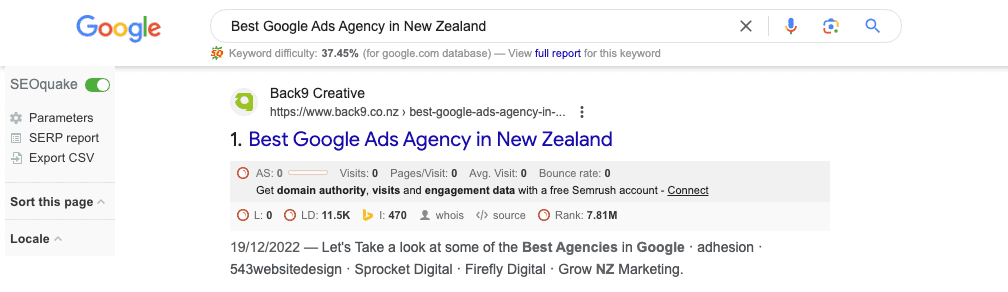
Screenshot Of Google Search For Best Google Ads Agency In New Zealand

1. Back9 Creative

Back9 is one of the best Google Ads Agencies servicing Wellington, but also in New Zealand. And, we’re also the only Google Ads Agency Partner. We’re actually based in Southland – but we don’t let that stop us – so why would you? So What does all this Ads Partner stuff mean? To make and keep this ‘partner’ status, we need have current certified professionals. We need to meet a minimum standard in terms of Ad Quality Score. And we need to spend a minimum of USD $10,000 within a 90 day period. That’s a lot of converting Google Ads for our valued clients!

Here at Back9 Creative, we don’t normally include ourselves when we compile an article on the best. After all, you’re already on our website, right? And that must count for something. We’re clearly dping some of the best SEO in Wellington too. All of that aside, we reckon when it comes to Google Ads in Wellington and who’s the best, we’re right up there. So why not reach for higher honours? We can deliver with the best Google Ads Agencies in Wellington and New Zealand without a doubt!

In fact, the last time we searched best Google Ads Agency in New Zealand… What do you know? We were numero uno in the organic (unpaid) results!

Cta-With-A-Woman-Looking-Slightly-Confused-And-Text-Reading-How-Much-Do-Google-Ads-Cost-And-A-Button-To-Find-Out

2. Aztera

Aztera offer Google Ads and digital marketing services in Wellington. Their team combines technical expertise with a clear understanding of customer needs, delivering tailored campaigns that drive measurable results. They say they excel in maximising ROI through data-driven strategies and creative ad management, ensuring businesses reach their target audience effectively. The professional and friendly approach of the Aztera team makes them a pleasure to work with, and their commitment to transparency and performance ensures clients feel confident in their investment. Highly recommended for anyone seeking to elevate their online presence!

3. Simply SEO

Simply SEO, doesn’t just as the name suggest do SEO. No, Simply SEO is a trusted partner for Google Ads, in Wellington providing a seamless and results-focused experience. Their team demonstrates a deep understanding of PPC strategies, crafting campaigns that effectively target the right audience while optimising ad spend. They prioritise clear communication and regular reporting, ensuring clients are always informed and involved. With a strong commitment to delivering tangible results, Simply SEO consistently drives increased traffic and conversions for their clients. If you’re looking for a reliable and skilled team to manage your Google Ads, Simply SEO is also an excellent choice.

4. Blue Light Web

Blue Light Web is a reputable agency offering expert Google Ads services, with a proven ability to create data-driven campaigns that deliver excellent results. While they market themselves as being based in Wellington, it’s worth noting that they are primarily based in Auckland. Despite this, their digital-first approach ensures they can effectively support businesses in Wellington and beyond. If you’re looking for skilled professionals to manage your Google Ads campaigns, Blue Light Web’s expertise and results-oriented focus make them a strong contender.
Since then their team has grown quickly and has worked with over 700 businesses, in over 100 industries, generating over two hundred million dollars worth of sales for their customers.

5. Nika Consulting

Nika Consulting another company like us, doing a great job with SEO. Specifically for the search term Best Google Ads Agency in Wellington. But to be upfront they are not based there. Nika are known for their innovative strategies and results-oriented approach. They excel at crafting campaigns that drive traffic, increase conversions, and deliver a strong return on investment. With a focus on understanding client needs and tailoring solutions to achieve specific goals, Nika Consulting stands out for their commitment to transparency and delivering measurable results. Their expertise and dedication make them a valuable partner for businesses looking to optimize their online advertising efforts.

Google Ads Audit Image

6. Web Genius

Web Genius is a trusted name in Google Ads management, offering tailored solutions that help businesses across New Zealand achieve measurable success online. Their team combines technical expertise with a deep understanding of marketing to create campaigns that effectively target the right audience and maximise ROI. With a strong focus on transparency and performance tracking, Web Genius ensures clients are informed and confident in their advertising strategies. Whether you’re looking to increase traffic, generate leads, or boost sales, Web Genius provides the expertise and support to make it happen.

7. Digitella

Digitella is a standout agency specialising in Google Ads, delivering campaigns that drive exceptional results for businesses. Their team focuses on creating highly targeted and effective strategies tailored to each client’s unique goals. With a strong emphasis on data-driven insights and ongoing optimization, Digitella ensures maximum ROI from every campaign. Their professional and collaborative approach makes working with them seamless and enjoyable, while their expertise in Google Ads helps businesses reach and engage their ideal audience. For companies looking to elevate their online advertising, Digitella is a reliable and results-focused partner.

8. The Digital Guys

The Digital Guys offer comprehensive Google Ads management services, with a focus on creating tailored campaigns that deliver measurable results for their clients. Their expertise in ad strategy, optimization, and performance tracking ensures businesses achieve maximum return on investment. While they market their services in Wellington, their website does not specify their physical location, which may be a consideration for businesses seeking a locally-based provider. Nonetheless, their results-driven approach and commitment to client success make them a strong contender for businesses looking to enhance their online advertising efforts.

9. First Page

First Page is a highly skilled agency specialising in Google Ads, known for crafting campaigns that effectively drive traffic and conversions. Their data-driven approach and commitment to continuous optimisation ensure that clients see measurable results from their advertising spend. While their office is based in Auckland, they actively market their services to businesses in Wellington, offering expertise that transcends physical location. For companies seeking a professional and experienced team to manage their Google Ads campaigns, First Page is a reliable choice with a proven track record of success.

So For Google Ads Agencies in Wellington, who’s the pick of this lot?

Choosing the best Google Ads agency in Wellington ultimately comes down to what works best for you and your business. The real question might be: Who is the best agency for your specific needs?

All the agencies listed above are highly capable and bring their own strengths to the table. If working with a local provider is important to you, prioritize agencies based in your region. If location isn’t a concern, feel free to explore and connect with any of them. The key is finding a team you feel aligned with, can trust, and that understands your business goals.

Take your time, ask questions, and choose the agency that feels like the best fit. A great partnership will make all the difference in achieving your marketing success. Good luck!

Get a FREE Google Ads Audit

What is Generative Engine Optimisation (GEO)?

Every day there seems to be something new released in the world of AI development. As 2024 draws to a close, We’ve hunted down the information as to where we are at right now on the emerging topic of Generative Engine Optimisation (also known as GEO). We’ve also included some tips at the end to help you answer the questions of ‘how do I ensure my website/brand/business appears in AI Search results’.

Generative Engine Optimisation (GEO) is a cutting-edge evolution in the field of SEO that leverages AI-driven tools and techniques to optimise and generate content. It builds on traditional SEO practices by integrating generative AI technologies like OpenAI’s GPT models and Google’s Search Generative Experience (SGE).

Wordpress Article Covers 3
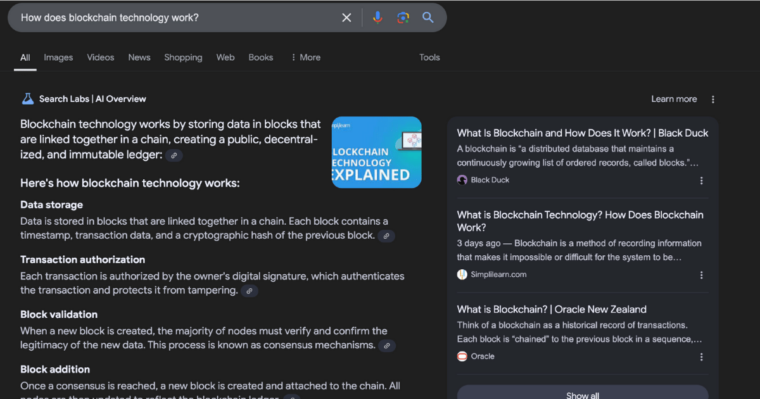
Example of Googles SGE in action.


GEO focuses on creating, optimising, and tailoring content dynamically for enhanced visibility and relevance in search engines and AI-powered search interfaces.

What is GEO?

GEO applies AI to analyse search intent, generate keyword-optimised content, and adapt dynamically to emerging trends in search behaviour. Unlike traditional SEO, which depends heavily on manual content creation and keyword mapping, GEO uses AI tools to automate these processes, offering scalability and efficiency. For example:

  • Dynamic content creation: Generative models like GPT produce human-like, engaging content tailored to user intent.
  • Intent analysis: AI tools help determine what type of content (informational, transactional, or navigational) aligns with specific search queries.
  • Personalisation: GEO adapts content to fit individual preferences, such as location or user behaviour.

How AI Engines Decide on Content

Generative AI follows a process inspired by SEO principles, tailored to provide the most relevant and useful content:

  1. Query Understanding: Break down the user’s request to determine intent and context. For instance, “geo-generative optimisation” implies interest in AI-enhanced SEO strategies.
  2. Knowledge Base Search: Retrieve the most relevant and up-to-date information from internal databases or external sources.
  3. Contextual Adaptation: Adjust the content to match the query’s intent, depth, and desired tone, ensuring clarity and relevance.
  4. Content Generation: Create clear, well-structured responses, naturally integrating keywords and addressing user intent comprehensively.

Similarly, tools like Google’s Search Generative Experience (SGE) summarise and present AI-curated results, moving beyond traditional link-based search results for user-centric convenience.

Google identified the movement towards people using AI for search and responded with their own AI response tool. Clever.

Applications and Challenges

Applications:

  • Hyper-local SEO: GEO excels in location-specific content by tailoring keywords and formats for local audiences, enhancing geo-targeted marketing efforts.
  • E-commerce: AI can dynamically generate product descriptions, blog content, or FAQs optimised for search engines.

Challenges:

  • Ethical considerations: Transparency in AI-generated content remains critical to ensure trust.
  • Algorithm dependency: Constant monitoring and adaptation to changing search engine algorithms are essential.
  • Quality assurance: While efficient, generative AI requires human oversight to ensure nuance and originality​

Future of GEO

The future of GEO lies in its ability to integrate seamlessly with AI-powered search interfaces and emerging technologies. For businesses, this means leveraging tools like GPT and SGE for a competitive edge. As AI search tools evolve, staying updated with GEO strategies will be crucial for visibility in this new search landscape​

5 tips that website owners can use to help them rank in geo searches

Here are five actionable tips for website owners aiming to rank higher in GEO (Generative Engine Optimisation) and local search results:

1. Optimise for Local Keywords

Incorporate location-specific keywords throughout your website, such as in:

  • Titles, meta descriptions, and headers.
  • Content, including blogs or FAQs addressing local queries.
  • Schema markup (e.g., LocalBusiness schema) to make your location explicit for search engines (if you need help with this area, Back9 is here to help you).

For example, instead of “best donut shop,” use “best donut shop in Invercargill.”

2. Leverage Generative AI for Personalised Local Content

Use AI tools like ChatGPT or Google’s Gemini to:

  • Generate geo-targeted blog posts about local events, news, or community issues.
  • Produce dynamic landing pages tailored to specific locations or customer personas.

Generative AI can streamline creating unique, keyword-optimised content for multiple locations.

3. Optimize Google Business Profile and Listings

Ensure your Google Business Profile is up to date:

  • Add accurate NAP (Name, Address, Phone number).
  • Include location-based keywords in your business description.
  • Encourage customers to leave reviews, and respond to them to improve visibility.

Using tools like AI-based content suggestions, personalise responses to reviews for enhanced engagement.

4. Use AI for Enhanced Mapping and Geo-Specific Tools

Incorporate tools like:

  • AI-generated interactive maps on your website.
  • Geo-specific calculators or tools, such as energy cost savings for specific regions.

For instance, Energy Owl’s online rooftop area tool is an excellent example of engaging users with localized, value-adding features.

5. Monitor Trends and Adapt to GEO Algorithms

AI-powered tools like Google’s Search Generative Experience (SGE) prioritize conversational, intent-based queries. To adapt:

  • Focus on creating content that answers “how-to” and “why” questions relevant to your location.
  • Use analytics tools (e.g., SEMrush or Ahrefs) to track local keyword performance and emerging search trends.

Stay updated with Google’s algorithm changes and tweak your GEO strategy as needed​.

If you’re looking to get your website in the best shape possible to rank in GEO searches, get in touch with Back9 Creative.

Top Skills Every Web Developer in NZ Needs

In the rapidly evolving landscape of digital business in NZ, a web developer stands as the architects of online success. For those aspiring to excel in New Zealand’s vibrant tech scene, mastering a specific set of skills is paramount. These competencies not only facilitate the creation of engaging and functional websites but also align with the strategic goals of businesses seeking to thrive in the digital economy.

Mastery of WordPress Development

WordPress remains a cornerstone of web development. The open-source platform powers a significant portion of the internet. In fact Around 488.6 million websites are built on WordPress. That’s about 43.7% of all websites. Therefore, a web developer in NZ must be adept in WordPress development, understanding its vast ecosystem of plugins and themes. At back9, we are NZ’s Experts in WordPress. This skill is indispensable for crafting custom solutions that meet diverse client needs while maintaining user-friendly interfaces. Mastery in WordPress allows developers to offer scalable and flexible solutions, a necessity in today’s dynamic business environment.

Proficiency in Custom Web Development

Custom web design and development is the art of creating tailored digital experiences that resonate with users. A Web Developer should possess a strong command of coding languages like HTML, CSS, JavaScript, and PHP. Whilst the question has custom development been killed by Wix, Squarespace and Shopify may be asked. We don’t believe it has. The skills a web developer has are still relevant. That’s becasue they enable them to build bespoke websites that reflect a brand’s unique identity and drive engagement. For startups and enterprises alike, a custom-built website offers the agility needed to adapt quickly to market changes, ensuring a competitive edge.

Understanding of Growth-Driven Design

Growth-driven design is a transformative approach that prioritizes continuous improvement and data-driven decisions. a Web developer in NZ should therefore be integrating this methodology into their workflow. And in doing so, focusing on iterative development based on user feedback and analytics. By doing this, developers can ensure that websites not only meet current user expectations but also evolve with them. And as a result, lead to sustained growth and improved ROI.

Strategic Website Development

Developers must also be strategic thinkers, capable of aligning website development with broader business goals. This involves a web developer having a thorough understanding of SEO principles, user experience (UX) design, and performance optimisation techniques. By implementing these strategies, developers can enhance a website’s visibility, usability, and speed, all critical factors in a successful digital presence.

Collaborative Problem Solving for Web Developers in NZ

In a collaborative environment, web developers must excel in communication and teamwork. They should therefore work closely with stakeholders, marketing teams, and designers to translate business objectives into digital solutions. This collaborative approach ensures that digital strategies are cohesive and effective, driving growth and innovation.

In conclusion, any web developer in New Zealand who hone these skills position themselves as pivotal contributors to their organizations’ success. By mastering WordPress development, excelling in custom web development, embracing growth-driven design, and employing strategic thinking, developers can create impactful digital experiences. As businesses strive to harness the full potential of the digital economy, these skills will remain in high demand, paving the way for a prosperous career in web development.

For further insights on enhancing your digital strategy, or to understand when you should hire a professional web developer to build your website, feel free to reach out and let’s transform your vision into a thriving online reality.

UX Revolution: User-Centric Design

In today’s competitive software landscape, a great user experience (UX) isn’t just a nice-to-have—it’s a critical differentiator that can make or break your product’s success. As we navigate an increasingly digital world, user-centric design has emerged as a key driver of innovation, customer satisfaction, and ultimately, business growth. Let’s explore how this approach is transforming the software industry and why it should be at the heart of your development strategy.

The Business Case for User-Centric Design

The numbers speak for themselves:

  • Forrester has shown that UX investments do lead to significant returns – commonly cited as around 100x the investment, or a 9,900% ROI – across specific cases or studies (Forrester, 2021).
  • 88% of online consumers are less likely to return to a website after a bad user experience (Amazon Web Services, 2024).
  • Improving customer experience can raise KPIs by over 80% while decreasing error rates and development time (IBM, 2023).

These statistics underscore the profound impact that user-centric design can have on your software’s success. But what does it really mean to put the user at the centre of your design process?

Key Principles of User-Centric Software Design

  1. Empathy-Driven Development: Start by truly understanding your users’ needs, pain points, and desires through in-depth research and personal development.
  2. Iterative Prototyping: Embrace rapid prototyping and continuous user testing to refine your designs based on real user feedback.
  3. Accessibility by Design: Ensure your software is usable by people with diverse abilities, improving overall usability for all users.
  4. Contextual Design: Consider the various environments and scenarios in which your software will be used, optimising for different contexts.
  5. Emotional Design: Go beyond functionality to create experiences that resonate emotionally with your users, fostering loyalty and enjoyment.

Case Study: Airbnb’s UX Overhaul

Airbnb revamped their platform by focusing on user-centric design principles, tailoring their search and booking experiences to user needs. By integrating features like wishlists, personalised recommendations, and enhanced mobile functionality, Airbnb saw:

  • 30% increase in bookings through mobile
  • 40% higher user engagement on their site
  • Enhanced customer satisfaction, with an overall improvement in their Net Promoter Score (NPS) by 25 points

This transformation solidified Airbnb’s position as a leader in the hospitality industry and significantly boosted user trust and loyalty. You can read more about this case study here.

As technology evolves, so do the possibilities for enhancing user experiences:

  • AI-Powered Personalisation: Leveraging machine learning to create interfaces that adapt to individual user preferences and behaviours in real-time.
  • Voice User Interfaces (VUI): Designing intuitive voice-controlled experiences as voice technology becomes more prevalent.
  • Augmented Reality (AR) Interfaces: Incorporating AR to create immersive, context-aware user experiences that blend digital and physical worlds.

Overcoming Challenges in User-Centric Design

While the benefits are clear, implementing a truly user-centric approach comes with its challenges:

  1. Balancing User Needs with Business Goals: Finding the sweet spot between what users want and what’s feasible and profitable for the business.
  2. Designing for Diverse User Groups: Creating experiences that cater to a wide range of users without compromising on simplicity and intuitiveness.
  3. Measuring UX Success: Developing meaningful metrics to quantify the impact of UX improvements on business outcomes.

Implementing User-Centric Design: A Strategic Approach

  1. Embed UX in Your Culture: Make user-centric thinking a core value across your organisation, not just in the design team.
  2. Invest in User Research: Allocate resources for ongoing user research to keep your finger on the pulse of user needs and preferences.
  3. Adopt Design Thinking: Implement design thinking methodologies to foster innovation and problem-solving centered around user needs.
  4. Continuous Iteration: Embrace a culture of continuous improvement, regularly updating your software based on user feedback and changing needs.
  5. Cross-Functional Collaboration: Break down silos between design, development, and business teams to ensure a holistic approach to user-centric design.

The Future is User-Centric

In the evolving software landscape, user-centric design isn’t just a trend – it’s the future of successful product development. By putting users at the heart of your design process, you’re not just creating better software; you’re building lasting relationships with your customers and setting your business up for long-term success.

Are you ready to revolutionise your software development with a user-centric approach? Let’s explore how we can transform your ideas into intuitive, engaging, and successful products that truly resonate with your target users. Contact Back9 Creative today to join the revolution and start your UX UI design and user-centric design journey.

AI in Software Development: Product Innovation

In today’s rapidly evolving tech landscape, artificial intelligence (AI) is revolutionising the way we approach software development. As software developers, Back9 has witnessed firsthand how AI-driven strategies can dramatically improve outcomes, boost ROI, and create unparalleled user experiences.

AI in software is all around us. Spotify uses AI and machine learning to create a personalised playlist, recommend a song or compile the popular end of year Wrapped feature. Grammarly suggests real-time grammar corrections, style improvements, tone adjustments, and even rewrites sentences for clarity and conciseness. Google Workspace uses ‘smart compose’ to suggest entire phrases while composing emails or documents, improving typing speed and reducing errors. These are only a couple of examples!


Let’s dive into the data-backed benefits of AI in software development and explore how your business can leverage this evolving technology.

Ftr Experience Header Scaled 1
Spotify Wrapped. Image source: Spotify

The Numbers Don’t Lie: AI’s Impact on Software Development

Recent studies paint a compelling picture:

  • Companies implementing AI in their software development process see a 25% reduction in time-to-market (McKinsey, 2023).
  • AI-driven testing can identify up to 90% of software bugs before launch (TechValidate, 2024).
  • Businesses using AI for market analysis in software development report a 30% increase in successful product launches (Gartner, 2023).

These statistics underscore the transformative potential of AI in software innovation. But how can you harness this power for your projects?

Strategies for AI-Driven Software Development Success

  1. Predictive Market Analysis: Utilise machine learning algorithms to analyse vast amounts of market data, identifying emerging trends and untapped niches before your competitors.
  2. AI-Powered Code Generation: Implement AI tools to assist in writing and optimising code, significantly reducing development time and improving code quality.
  3. Personalised User Experiences: Leverage AI to analyse user behaviour and preferences, creating dynamically adaptive interfaces that resonate with individual users.
  4. Automated Quality Assurance: Employ AI-driven testing tools to identify bugs and usability issues early in the development process, ensuring a polished final product.
  5. Intelligent Resource Allocation: Use AI to optimise your development team’s workflow, assigning tasks based on individual strengths and project requirements.
  6. Growth-Driven Software Development: With AI and the digital landscape changing so rapidly, adopting the Agile process of Growth-Driven Software Development is key. This will help your software continually improve and keep up with the ever-evolving digital world.

Case Study: AcmeSoft’s AI Transformation in Software Development

AcmeSoft, a mid-sized software company, implemented AI-driven development strategies in 2023. The results were staggering:

  • 40% reduction in overall development time
  • 35% increase in user satisfaction scores
  • 50% decrease in post-launch bug reports
  • 28% boost in first-year revenue for new software products

By embracing AI throughout their software development lifecycle, AcmeSoft not only improved their bottom line but also positioned themselves as industry innovators.

Case Study: Farm 4 Life and Back9’s AI-Powered Smart Farm Plan

Farm 4 Life, an innovative education platform in New Zealand that teaches farming to students, approached Back9 with a unique challenge. Tangaroa Walker, the Hub Founder of Farm 4 Life, needed a mobile app to allow their students to access courses and educational resources more easily.

As the project evolved, an opportunity was identified to provide a comprehensive one-page business strategy plan to those in the farming space. Leveraging AI integration, Back9 created a software platform where farmers can create a detailed and actionable business plan in a matter of hours – tailored specifically to the farming industry.

Farm 4 Life'S Smart Farm Plan Has Used Ai In Software Development.
Farm 4 Life’s Smart Farm Plan

The result? The Farm 4 Life Smart Farm Plan – an AI-powered solution that enables farmers with limited time to create comprehensive business plans quickly and efficiently.

This case study demonstrates several key strategies for AI-driven software development success:

  1. AI-Powered Personalisation: The Smart Farm Plan uses AI to tailor business plans to the specific needs of individual farmers.
  2. Automated Content Generation: AI algorithms help generate detailed business plans based on user inputs and industry-specific data.
  3. Intelligent Data Analysis: The system likely uses AI to analyse market trends and best practices in the farming industry to inform the business plans.
  4. User-Centric Design: The mobile app and Smart Farm Plan were developed with the end-users (students and farmers) in mind. That means addressing their specific needs and constraints.
  5. Innovative Problem-Solving: Back9’s approach shows how AI can be used to identify and solve problems beyond the initial project scope.

Looking Ahead: The Future of AI in Software Development

As AI technology continues to advance, we anticipate even more exciting developments:

  • Autonomous Code Refactoring: AI systems that can automatically improve and optimise existing codebases.
  • Emotional Intelligence in UX Design: AI-powered interfaces that can read and respond to users’ emotional states in real-time.
  • Predictive Maintenance: AI algorithms that can forecast potential software issues and automatically implement fixes before problems arise.

Overcoming The Challenges

While the benefits are clear, implementing AI in software development comes with its challenges:

  1. Data Privacy and Security: Ensuring that AI systems handle sensitive code and user data securely and in compliance with regulations.
  2. Skill Gap: Many organisations lack in-house expertise in AI. Investing in training or partnering with AI specialists can bridge this gap.
  3. Integration with Existing Workflows: Adapting current development processes to incorporate AI tools seamlessly.

Embracing the AI Revolution in Software Development

The integration of AI into software development isn’t just a trend – it’s a fundamental shift in how we approach innovation. By embracing these technologies, you’re not just keeping pace with the industry – you’re positioning your business at the forefront of the next wave of software evolution.

Are you ready to revolutionise your software development process with AI? Let’s explore how Back9 can bring your software ideas to life. Together we’ll leverage cutting-edge AI technologies to create products that truly resonate with your target market.

Contact us today to start your AI-driven innovation journey in software development.

Elementor vs. Custom-Built WordPress Themes:

Custom Builds and Growth-Driven Design (GDD) Lead the Way

When building a WordPress website, one crucial decision is choosing between Elementor and a custom-built theme. While both options have distinct advantages, custom-built themes consistently emerge as the superior choice—especially when paired with a Growth-Driven Design (GDD) approach. Traditional web design is broken, often running over time and budget. GDD fixes this by focusing on continuous improvement, user insights, and iterative enhancements, making it the best approach for any website. Ultimately, it is important to compare Elementor v Custom themes to find the best fit for your needs.

How Do You Even Know What a Web Company Is Using to Build Your Website?

Not all web development approaches are created equal. So, how do you know what a web company is actually using to build your website?

Start by asking the right questions:

  • What platform do you use to build websites?
  • Do you rely on pre-made templates or themes, or do you create custom builds from scratch?

These questions will help you understand the level of customisation and performance you can expect. Let the buyer beware—some companies may cut corners with pre-made solutions that limit flexibility and scalability. Compare Elementor v Custom approaches to see which better meets your expectations.

Additionally, use tools like BuiltWith.com to discover the technology behind any website. For WordPress sites, WordPress theme detectors such as WP Them Detector, can reveal which themes and plugins are in use. This information empowers you to make informed decisions and avoid potential pitfalls in the Elementor v Custom debate.

Performance and Speed Optimisation

Website speed matters. It influences user experience, SEO rankings, and conversion rates. Elementor, while user-friendly, often loads extra CSS, JavaScript, and DOM elements. This additional code can slow down your site. This means Elementor for SEO, particularly technical SEO and performance can require some additional work to see success.

On the other hand, custom-built themes provide lean, efficient code. Developers load only what’s necessary, reducing HTTP requests. As a result, these sites typically load faster. With fewer plugins and less bloat, performance optimisation becomes more straightforward. A GDD approach enhances this further by prioritising speed improvements and user feedback from day one. When considering Elementor v Custom, speed and performance are crucial factors.

SEO Optimisation

SEO is essential for visibility. Elementor supports SEO-friendly design, but its extra code can sometimes make it harder for search engines to crawl efficiently.

Conversely, custom-built themes can incorporate SEO best practices from the start. With clean code and semantic HTML, search engines can crawl and index pages more effectively. This direct control allows for higher search engine rankings without relying heavily on plugins. A GDD strategy ensures SEO enhancements are continuously applied, driving better long-term results. So, consider SEO when comparing Elementor v Custom options.

Flexibility and Scalability

Elementor excels in flexibility, especially for non-technical users. It allows easy drag-and-drop editing without coding knowledge. However, customising complex features may require additional code, leading to potential inefficiencies.

A custom-built theme offers unmatched scalability. Developers tailor every aspect to meet specific project needs. As a result, adding new features and scaling the site becomes seamless and efficient. Combined with GDD, custom-built themes adapt to evolving business needs through iterative improvements, ensuring sustainable growth. Hence, in the Elementor v Custom debate, scalability should not be overlooked.

Maintenance and Updates

Websites need regular updates. Elementor sites might experience issues when plugins or WordPress core updates occur. Compatibility problems can arise, requiring additional troubleshooting.

In contrast, custom-built themes, with fewer third-party dependencies, are less prone to such issues. Maintenance becomes more predictable, ensuring a smoother update process. The GDD methodology adds value by making updates part of a strategic plan rather than a reactive task. Therefore, Elementor v Custom should be evaluated for maintenance ease.

Which Option Should You Choose?

While Elementor provides rapid deployment, visual editing capabilities, and budget-friendly solutions, custom-built themes are the best all-round option. They deliver superior performance, SEO benefits, and long-term scalability. This isn’t just for larger businesses—any website can benefit from a custom build, especially when following a GDD approach. GDD ensures continuous improvement based on user data, keeping your site aligned with evolving goals. When facing an Elementor v Custom choice, these factors are pivotal.

Final Thoughts

Traditional web design often fails, exceeding budgets and deadlines without delivering lasting results. The combination of a custom-built theme and a Growth-Driven Design (GDD) approach breaks this cycle. GDD focuses on iterative improvements, user experience, and data-driven decisions. It turns your website into a powerful digital asset that grows with your business. Ultimately, optimising for speed, SEO, and user experience through a GDD methodology ensures your site thrives in the competitive digital landscape.

Before you choose a web development partner, ask the right questions, use tools like BuiltWith.com and WordPress theme detectors, and ensure you’re getting a solution that will truly support your growth. Choose wisely, and with the right approach, such as GDD, you could watch your website become a growth engine. And ultimately an ever-evolving competitive advantage in the Elementor v Custom decision.