What Is a Launchpad Website?

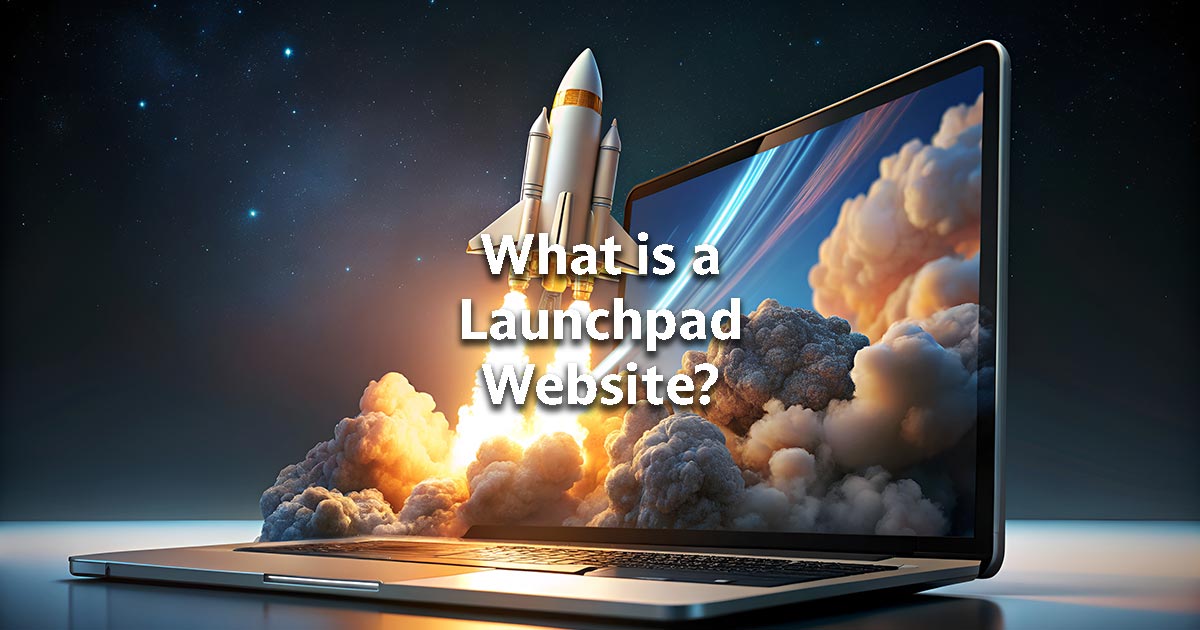
When it comes to digital growth, waiting months to launch a new website can stall momentum and delay results. At Back9, we’ve seen it all too many times… It’s frustrating, and that is why we believe traditional web design is broken. That’s where a Launchpad Website comes in—a powerful starting point in the Growth-Driven Design (GDD) process that helps you get real results, fast.

Unlike traditional websites that aim for perfection before going live, a Launchpad Website is built to be better than what you currently have—but it’s not the final version. Instead, it’s designed to go live quickly, collect real user data, and continuously improve from there. Think of it as your MVP (Minimum Viable Product) for the web.

Why Start with a Launchpad Website?

Launching a full website with every feature and page perfected can take 3–6 months (or more, in some cases we’ve seen it take 2 years or more!). That’s a long time to go without feedback or results. A Launchpad Website flips this approach by getting something live within 30 to 60 days.

This gives you three key advantages:

  1. Speed to Market: You start generating traffic, leads, and insights earlier.
  2. Data-Driven Improvements: Instead of guessing what users want, you use real data to guide future updates.
  3. Cost Efficiency: You avoid the big upfront investment of a traditional website and instead spread your budget across smarter, phased improvements.

With a Launchpad Website, you’re no longer working in the dark. You’re learning as you go, which ultimately results in a site that performs better and serves your users more effectively.

What’s Included in a Launchpad Website?

Even though it’s built quickly, a Launchpad Website is far from a “half-baked” version of your site. It includes all the essential pages, core functionality, and design elements that reflect your brand and serve your users’ primary needs.

Typical components include:

  • A homepage that reflects your brand story and value proposition
  • Core product or service pages that guide users to action
  • Conversion points like calls-to-action, lead forms, or booking tools
  • Mobile responsiveness and SEO basics from day one

However, not every possible page or feature makes the cut—yet. The idea is to prioritise what’s essential for launch and leave lower-impact features for future iterations.

How Is It Different from a Traditional Website?

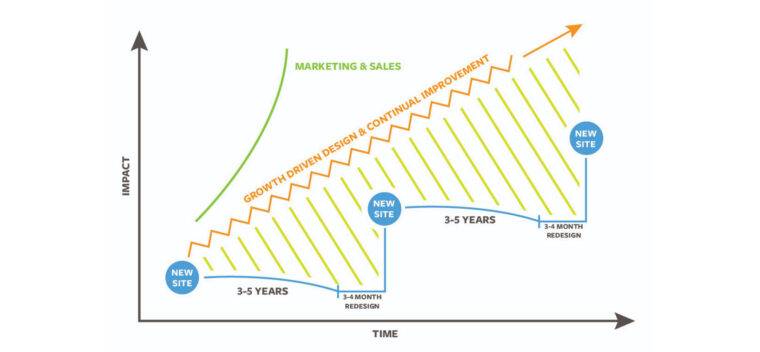
Traditional web design is like building a mansion from scratch. It takes time, money, and a lot of upfront planning. But if something doesn’t work once it’s live, it’s expensive and time-consuming to fix.

A Launchpad Website takes a smarter approach. By launching sooner and learning faster, you’re constantly evolving based on real-world use. This means fewer assumptions and more results.

It’s not about cutting corners. It’s about being strategic with what goes live first, so you can continuously build on a strong foundation.
Traditonal-Website-Design-Is-Broken-Cta

Transitioning from Launchpad to Continuous Improvement

The beauty of a Launchpad Website is that it’s just the beginning. Once it’s live, you enter the continuous improvement phase of Growth-Driven Design. This is where the real magic happens.

Using data from tools like heatmaps, session recordings, and analytics, you begin to identify what’s working—and what’s not. You test new ideas, optimise for conversions, and refine your messaging over time.

This iterative cycle ensures that your website never grows stale. Instead, it grows with your users, your business, and your goals.

Is a Launchpad Website Right for You?

If you’re a growth-minded business looking for smarter ways to use your website as a tool—not just a brochure—then a Launchpad Website might be exactly what you need. It helps reduce risk, improve speed, and ensures that your digital presence is always aligned with user needs.

Best of all, it’s built on collaboration, learning, and agility—key values in today’s fast-paced digital world.

In Summary: A Launchpad Website isn’t a shortcut—it’s a smart start. It gets you to market faster, sets the stage for real results, and turns your website into a growth engine. By focusing on performance and data, rather than perfection from day one, you’re setting your business up for long-term digital success.
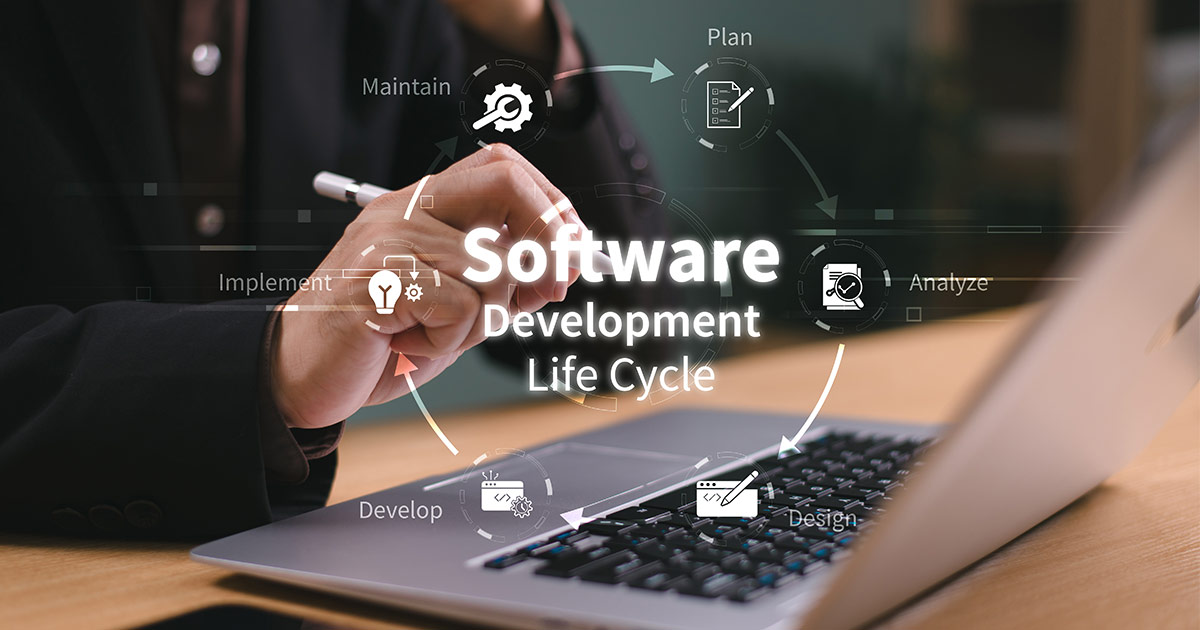
Growth-Driven Software Development in NZ

Future-ready. Customer-focused. Always improving.

In today’s fast-moving digital world, at Back9 Creative we understand Kiwi businesses need software that grows with them. Growth-driven software development is the smarter, more adaptable way forward—rooted in agile thinking and built to evolve.

What Is Growth-Driven Software?

Growth-Driven Software focuses on continuous improvement, scalability, and customer-centricity—not fixed features or rigid timelines.

Traditional DevelopmentGrowth-Driven Development
Fixed plans & scope (often run over budget)Flexible & adaptive
Big launches (takes longer to launch)Iterative rollouts
Limited feedback cyclesOngoing user feedback

Core Principles of Growth-Driven Software Development in NZ

  • Flexibility – Change-friendly and future-ready
  • Scalability – Grows with your business
  • User Focused – Built around real customer needs

Agile: The Engine Behind It All

Agile development powers growth-driven software with iterative, feedback-led processes.

Key Features of Agile:

  • Iterative Cycles – Build, test, improve, repeat
  • Cross-Team Collaboration – Everyone has input
  • Customer Feedback Loops – Stay aligned with users

Why NZ Businesses Are Embracing Growth-Driven Software Development

Enhanced Adaptability
Quickly respond to changing markets or new opportunities.

Improved Efficiency
Streamlined development means faster releases and lower costs.

Competitive Advantage
Innovate continuously and stay ahead in your industry.

Higher Customer Satisfaction
Deliver solutions your customers actually want.

How to Get Started

  1. Assess Your Business Needs
    Identify goals, gaps, and user expectations.
  2. Choose the Right Partner
    Look for proven agile experience and strong communication.
  3. Embrace Continuous Improvement
    Make feedback loops and iteration a habit.
  4. Leverage Smart Tech
    Use cloud, AI, analytics, and modern frameworks.

Final Thought

“Don’t just build software—build momentum.”

Growth-Driven Software Development isn’t just a method. It’s a mindset shift. When you build for change, you build for growth.

Ready to explore growth-driven software development?
Let’s chat and see how it could transform your business.

How Much Does a Growth-Driven Website Cost?

If you’re looking for a website that actually delivers results (rather than just sitting there and in some cases, looking pretty), you may have heard of Growth-Driven Design (GDD). Unlike traditional websites, which are built once and – more often than not – left to gather digital dust, GDD websites evolve. They get smarter over time based on real data, user behaviour, and your business goals.

But how much does a Growth-Driven website actually cost? Well, it’s not a one-size-fits-all answer. But if you consider your website is the 24/7 employee you never knew you needed, then what would you pay a 24/7 employee? Oh and take out the cost of Annual Leave and sick days too…

As a rough guide, for a Growth Driven website, you should expect to spend $8,000-$20,000 upfront with a monthly investment of $2,000-$10,000 for ongoing improvements. Let’s break it down so you can see where the investment goes (and why it’s worth it).

Diagram-Of-Growth-Driven-Design-Vs-Tradtional-Web-Design

Breaking Down the Cost of a Growth-Driven Website

Unlike the old-school “pay a fortune upfront and hope for the best” approach, GDD follows a continuous improvement model. This means your website keeps working for you, getting better every month rather than becoming outdated and sad. Here’s a look at what you’re actually paying for:

1. Initial Strategy & Launchpad Website ($8,000 – $20,000+)

The first step is a launchpad website—kind of like the foundation of a house, but without the dodgy tradies. It’s not the final masterpiece, but it’s functional, high-performing, and built to be improved over time. Instead of spending six months or more perfecting every little detail, you get something up and running quickly, then refine it based on actual user interactions.

Cost depends on:

  • The complexity of design (basic vs. “award-winning digital experience”)
  • The size of your company and its current website
  • Features and integrations (simple contact form vs. AI-powered chatbot that remembers your birthday)
  • The amount of customisation needed

2. Monthly Optimisation & Growth Plan ($1,500 – $10,000/month)

  • This is where GDD really shows its value. Rather than launching a website and crossing your fingers, you get continuous improvements based on real data. Monthly costs depend on how much work goes into making your site better, but typical activities include:
  • A/B testing to boost conversions
  • New pages, design updates, and UX enhancements
  • SEO and content strategy (so Google actually notices you – and potential customers find you!)
  • Performance tracking and ongoing improvements

Growth Driven Websites are al about maximising success online. Whilst a bigger budget will ultimately get you more results, faster, a smaller business might spend $1,500 per month, while a larger company (or anyone who really wants to dominate their market) could invest $10,000+ for full-scale optimisation.

3. Additional Features & Custom Development ($5,000 – $50,000+)

Need something beyond the basics? Custom-built tools, like pricing calculators or booking systems, advanced eCommerce functionality, or seamless CRM integrations can add to the cost—but they also add serious value. The right features will all add cost to a growth driven website. However, you can then make your website a lead-generating, revenue-driving powerhouse instead of just a digital brochure.

Comparing Growth-Driven Design to Traditional Websites

Depending on the size of your organisation, a decent custom traditional website might should cost anywhere from $15,000 to $100,000 upfront. Maybe more! That’s fine… if you’re okay with it being outdated within a year. (And let’s be honest, no one likes paying for a full redesign every few of years.) The hard fact is that Traditional Web design is outdated and broken.

GDD, on the other hand, ensures your website is always improving. It evolves alongside your business, meaning you don’t have to start from scratch every time technology or customer expectations shift.

Traditonal-Website-Design-Is-Broken-Cta

Factors That Influence Cost

Several factors impact growth driven website cost and how much you’ll ultimately spend:
Business Size & Industry – A local bakery needs something different from a nationwide finance firm.
Design Complexity – Simple layouts cost less than fully customised, interactive experiences.
Integrations & Tools – Connecting with your CRM, marketing software, or eCommerce platform adds value but affects cost.
Content & SEO Strategy – High-quality content and ongoing SEO efforts make a difference in long-term visibility.

Is a Growth-Driven Website Worth the Investment?

Short answer? Yes.

Long answer? Traditional websites are a gamble—you pay upfront and hope for the best. GDD ensures you’re continuously improving based on real data, meaning better engagement, higher conversions, and a website that actually works for your business.

If your website is (or at lest should be) a key part of your business strategy, investing in GDD is a no-brainer. Instead of a static site that loses relevance, you get a dynamic digital asset that keeps delivering results.

Final Thoughts

So, back to the original question; how much does a Growth-Driven website cost? Well, as you’ve read, that depends on what you need. But one thing is clear—it’s an investment, not an expense. Whether you start small or go all-in from day one, a GDD approach ensures your website isn’t just a cost centre—it’s a revenue-generating machine. For example, if the website cost you $250,000 over 12 months, but returns $2,000,000 or more year on year… does the cost matter so much?

Cta-Image-For-A-Free-Instant-Website-Audit-For-Growth-Driven-Web-Design

Turn Your Website Into a Growth Engine: Tips for Business Success

In many of my articles I state that in today’s digital economy, a website is more than just an online presence. It’s a powerful growth engine that can propel your business to new heights. It’s not a future requirement, it’s a NOW requirement. A lot of businesses and Digital Agencies alike are starting to see the benefits of an ever-evolving web presence. And they’re doing this with their websites

But not all websites are created equal.

To truly harness the power of the digital world, you need a website that’s designed for growth. This is where the concept of growth-driven design web development comes into play.

Growth-driven design is a smarter, more effective approach to web development. It minimizes the risks associated with traditional web design and allows for continuous learning and improvement.

In this article, we’ll explore how you can turn your website into a growth engine. We’ll provide actionable tips and insights that can help you transform your digital platforms and achieve your business goals.

So, whether you’re a Marketing Manager, a Startup Founder, or a CEO, read on to discover how to leverage the power of growth-driven design for business success.

Is Traditional Web Design Broken Banner

Understanding Growth-Driven Design Web Development

Growth-driven design is a transformative approach that shifts how we think about web development. Unlike static designs, this method focuses on continuous refinement and improvement.

At its core, growth-driven design emphasizes agility. It allows businesses to adapt their digital platforms as market demands change. This adaptability ensures that your website always aligns with your business goals.

Another key aspect is minimizing risks. Traditional web design projects often face budget overruns and delivery delays. With growth-driven design, you launch quickly and iteratively improve based on real data.

This approach not only saves time and money but also enhances website performance. By constantly measuring and tweaking your digital presence, you create a website that evolves as your business does. This evolution leads to better user experiences and increased customer satisfaction.

The Role of Responsive Design and Mobile Optimisation

Responsive design is essential in our mobile-driven world. Businesses must ensure their websites perform seamlessly on all devices, from desktops to smartphones.

Mobile optimisation enhances user experience by providing a smooth, consistent interface regardless of screen size. This is crucial because a significant amount of web traffic now originates from mobile devices.

A responsive design not only improves usability but also boosts SEO rankings. Search engines prioritize mobile-friendly websites in their results, making mobile optimization an absolute necessity for staying competitive in today’s market. By embracing responsive design, businesses engage users and foster long-term customer relationships.

Integrating SEO Best Practices from the Start

Starting with SEO best practices is crucial. It ensures that your website gains visibility and attracts the right audience from launch. This proactive approach means that organic traffic begins to build early.

Key SEO practices include keyword optimization, meta tag creation, and proper content structuring. These elements help search engines understand your site’s relevance and improve its ranking in search results.

Integrating SEO from the beginning saves time in the long run. It minimizes the need for significant changes later, streamlining your digital marketing strategy. With solid SEO foundations, your website stands out in a crowded digital landscape.

Want To Know All About Seo 4

Leveraging Data for Continuous Improvement

Data is the backbone of smart web development. It provides insights that guide strategic decisions and foster website growth. Using data effectively transforms your site into a living entity that evolves.

Regular analysis reveals user preferences and pain points. This knowledge drives enhancements, ensuring the website meets user needs.

Implementing a data-driven approach offers numerous benefits:

  • Identifies top-performing content
  • Highlights areas for UX improvement
  • Enhances conversion rate optimization

By continuously reviewing performance metrics, you keep your website agile. This iterative process leads to sustained growth and success in the digital arena.

Enhancing User Experience with Personalisation and Speed

User experience shapes how visitors perceive your brand. Personalization plays a crucial role in making interactions meaningful and engaging. Tailored experiences lead to higher satisfaction and conversion rates.

Moreover, website speed is paramount. A slow-loading site frustrates users and increases bounce rates. Optimizing speed ensures visitors remain engaged, reducing the chances they’ll leave.

Incorporating both personalization and speed enhancements establishes a competitive edge. A seamless user experience fosters loyalty, encouraging repeat visits and deepening customer relationships. Prioritizing these elements transforms your website into a robust growth engine.

Crafting Effective Calls-to-Action and Regular Content Updates

Effective calls-to-action (CTAs) guide visitors toward desired actions, such as signing up or purchasing. They must be clear, compelling, and strategically positioned. A strong CTA can significantly boost conversion rates.

Regular content updates keep your website fresh and relevant. Consistent posting signals to both users and search engines that your site is active and engaged. This practice can improve your search rankings over time and as a result, enhance the growth of your website.

Additionally, updating content reflects your business’s evolving expertise and offerings. It’s an opportunity to address new trends and customer interests. This approach ensures your website remains an authoritative source in your industry.

Image With A Cardboard Computer And Text Saying If Your Website Sucks It Won'T Convert

Measuring Success: Analytics and Performance Metrics

Tracking your website’s success requires robust analytics. These tools provide insight into user behavior and site performance. By analyzing metrics, businesses can make informed, data-driven decisions.

Key performance metrics include:

  • Bounce rate and time on page
  • Conversion rates
  • User engagement and interactions

Regularly reviewing these metrics highlights areas for improvement. It also helps identify what works well. Data paints a clear picture of your website’s strengths and weaknesses.

Using analytics effectively ensures your digital strategies align with business goals. It empowers you to adjust tactics and enhance your site’s impact. By leveraging insights, you can continuously refine your approach to stay competitive.

E-commerce Integration and Social Media Connectivity

Seamlessly integrating e-commerce capabilities is vital for businesses aiming to sell online. This integration simplifies the shopping experience, encouraging conversions and enhancing customer satisfaction. Smooth transactions are key to maintaining buyer trust.

Social media connectivity further amplifies your digital reach. By linking your website to platforms like Facebook and Instagram, you can drive traffic and engage new audiences. This connectivity fosters a sense of community around your brand.

Together, e-commerce integration and social media elevate your online presence. They open channels for direct interaction and feedback, crucial for continuous growth. Embracing these elements keeps your business adaptable in a rapidly changing digital landscape.

The Importance of Security and Regular Maintenance

Website security is non-negotiable in today’s digital world. A secure website protects both your business and customers from potential cyber threats. It also builds trust with your users, reinforcing their confidence in your brand.

Regular maintenance is equally vital to ensure your website runs smoothly. This upkeep prevents technical issues that could disrupt the user experience. Consistent updates also keep your website aligned with the latest technological advancements.

By prioritizing security and maintenance, you safeguard your digital assets. You also ensure that your site remains a reliable platform for business operations. This proactive approach helps secure long-term growth and customer loyalty.

Choosing the Right Web Development Partner in New Zealand

Selecting the right web design and development partner involves seeking expertise, understanding your business needs, and ensuring a shared vision for growth. Choose wisely to ensure success.

Conclusion: Aligning Your Digital Strategy with Business Goals

A strong digital strategy is vital for business growth.

By aligning your web development with business goals, you harness the potential of your website. This alignment ensures your digital presence becomes a strategic asset. It helps capture opportunities in the digital market.

Growth-driven design is the future and it will play a pivotal role in this process. It empowers businesses to adapt and flourish. Moreover, by focusing on data-driven decisions and continuous improvement, you set the stage for ongoing success. Prioritise these practices to maintain competitive edge and achieve long-term goals in the digital economy. With a clear strategy, and partnering with the right web development company, your digital assets will propel your business forward.

Banner-With-Blue-Gradient-Background-An-Image-Of-A-Calendar-And-A-Cta-To-Book-A-Meeitng-With-A-Button

Maximising Success with Growth-Driven Design

A website these days is more than just an online presence. It’s a powerful tool for business growth. In fact websites are like staff. That’s right your website could be the 24/7 Employee you didn’t know you needed

But how can you ensure your website is primed for success?

Enter Growth Driven Design (GDD). This innovative approach to web design is data-driven, iterative, and user-focused.

Unlike traditional web design – which is a broken process by the way, GDD reduces risks and aligns your website with your business goals. Above all it’s about continuous improvement, not one-time perfection.

In this article, we’ll delve into the world of GDD. Furthermore, we’ll explore its benefits, its process, and how it can maximise your success.

Diagram-Of-Growth-Driven-Design-Vs-Tradtional-Web-Design

Whether you’re a business owner, a marketer, or a web designer, this guide will equip you with actionable insights to transform your website into a growth engine.

Understanding Growth Driven Design

Growth Driven Design (GDD) is a methodology focused on improving user experience and business outcomes. At its core, GDD is about using real data to inform design decisions.

This approach minimizes guesswork by prioritizing continuous learning and adaptation. Unlike static web design, GDD embraces change as a tool for advancement.

GDD is characterised by several key aspects:

  • Strategic Planning: Start with clear, measurable objectives.
  • Iterative Development: Make regular updates based on analytics.
  • User-Centric: Prioritize user needs and feedback at every step.

With these components, GDD aligns closely with agile and lean methodologies. This alignment helps teams respond swiftly to new information and evolving user demands.

Ultimately, and most importantly, Growth Driven Design ensures your website supports your broader business strategies. Firstly, by understanding user behaviours and needs, you create a dynamic site that evolves with your users. And subsequently, grows your business.

The Traditional Web Design vs. Growth Driven Design

Traditional web design often involves a lengthy development process. It’s typically a one-time project with a big launch. Once live, traditional sites might not be updated for a long time.

In contrast, Growth Driven Design is ongoing and flexible. It begins with a simpler version, called the launch pad, and continuously evolves. Instead of large redesigns, GDD focuses on small, regular improvements.

This approach reduces risks, like costly overruns and outdated design, and keeps your website current.

Traditonal-Website-Design-Is-Broken-Cta

The Three Pillars of Growth Driven Design

Growth Driven Design is built on three foundational pillars. These pillars guide the GDD process from start to finish.

The first pillar is Strategy. Here, detailed planning ensures a clear roadmap for design actions. You define objectives, understand your audience, and prioritize tasks.

The second pillar is the Launch Pad Website. Unlike traditional sites, a launch pad is a starting version that looks and performs better than your existing site. In addition, it provides a stable foundation for ongoing improvements.

The final pillar is Continuous Improvement. This involves using data and user feedback to identify enhancements. Updates are made regularly to optimise performance and user experience.

Together, these pillars create a flexible framework for building and evolving a high-performing website.

The Strategy Phase: Laying the Foundation

The Strategy Phase is crucial for Growth Driven Design. In short, it sets the stage for successful execution and adaptation.

In this phase, your team defines clear goals and priorities. You also gather insights into your audience’s needs and behaviors.

By combining strategic planning with deep audience understanding, you lay a strong foundation. This ensures your web design aligns with both user expectations and business goals.

Setting SMART Goals for Your Website

SMART goals are specific, measurable, achievable, relevant, and time-bound. They provide clarity and direction for your design efforts.

Defining SMART goals helps focus resources and track progress. Each goal should align with broader business objectives and customer needs.

By setting these types of goals, your team can evaluate success accurately. As a result, this ensures your site continually supports your strategic vision.

Understanding Your Audience with User Personas

User – or buyer personas offer a detailed picture of your target customers. They are fictional characters representing different user types visiting your site.

Creating personas involves researching demographics, behaviors, and motivations. These insights inform design decisions and content strategies.

User personas ensure your site meets the diverse needs of real users. By considering these aspects, you can design more engaging and effective experiences.

Launch Pad Website: Your Starting Point

A Launch Pad website serves as a starting point for growth-driven design. To clarify, it’s not meant to be perfect or complete.

Instead, it focuses on core functionality and key elements. This allows you to quickly launch and start gathering user data.

By focusing on essential features, above all, you reduce initial costs and time. As a result, this sets the stage for continuous improvement based on real user interactions.

Prioritizing High-Impact Actions

Identifying high-impact actions is essential in the Growth Driven Design process. So firstly, focus on changes that provide significant user value.

Secondly, evaluate which elements will drive conversions and enhance user experience. Consequently, prioritisation ensures that resources are effectively allocated.

By addressing these high-impact areas first, you can achieve quicker wins. This strategy fosters momentum and lays groundwork for future enhancements.

The Role of a Growth Driven Design Agency

A growth-driven design agency can be a valuable partner. For example, they bring expertise in data-driven decision-making and iterative design.

These agencies like us at Back9, guide businesses through the intricacies of Growth Driven Design. Their experience helps avoid common pitfalls and streamline processes.

For instance, by collaborating with an agency, you gain access to specialised skills and insights. This partnership enhances your ability to achieve strategic goals more efficiently.

Continuous Improvement: The Iterative Process

Continuous improvement is at the heart of Growth Driven Design. This process relies on regular updates and data analysis.

Similarly through this iterative approach, websites evolve based on user behaviours. Moreover, consistent enhancements ensure the site remains relevant and effective.

Over time, this process leads to better user experiences and certainly increased conversions. The ongoing nature of this method therefore allows for flexibility and adaptation.

Leveraging Data and User Feedback

Data and user feedback are crucial for informed decisions. They illuminate what resonates with users and what needs adjustment.

By analyzing user interactions, you can identify pain points or successes. Feedback loops enable you to respond to real needs efficiently.

Tools like heatmaps and surveys gather invaluable insights. These insights fuel continuous improvement by providing clear action steps.

A/B Testing and Learning from Analytics

A/B testing is a cornerstone of Growth Driven Design. It allows you to compare two versions of a webpage to see which performs better.

Through this method, you gain insights into user preferences. Analytics offer metrics on engagement, subsequently, helping refine your approach.

This process is essential for optimizing elements based on real data. Testing enables evidence-based decisions that enhance overall site performance.

Conclusion: The Growth Driven Design Advantage

Growth Driven Design provides a robust framework for effective web development. It replaces guesswork with data-driven decisions that deliver results.

The approach aligns development with real-world user needs. By prioritising user feedback and continuous improvement, GDD ensures ongoing success as a result.

Ultimately, to sum up, adopting Growth Driven Design creates a strong foundation for digital growth. It fosters innovation, enhances user experiences, and drives conversions.

Top Trends in Ecommerce Website Design NZ

At Back9 Creative we understand that for many businesses ecommerce has become a vital part of their business growth.

New Zealand, like the rest of the world, in recent times has seen a surge in online shopping. For example, according to NZ Post, Kiwis spent $4.36 billion online in the first nine months of 2024. Which was 3.4% up on the same period in 2023. For businesses selling physical products, this trend has made ecommerce website design a crucial aspect of any business strategy.

But what does effective ecommerce website design entail?

It’s not just about aesthetics. It’s about creating a seamless, engaging, and secure shopping experience for your customers.

In this article, we’ll explore the top trends in ecommerce website design in NZ. We’ll delve into the importance of mobile responsiveness, the rise of minimalist design, and the integration of advanced payment options, among others.

Our goal is to provide you with actionable insights that can help you stay ahead in the competitive world of ecommerce. Let’s dive in.

The Importance of Mobile Responsiveness

Mobile devices have taken over as the preferred choice for online shopping.

With the majority of users accessing websites via smartphones, mobile responsiveness is critical. A mobile-responsive site adapts seamlessly to different screen sizes, enhancing user experience.

If your ecommerce site isn’t mobile-friendly, you risk losing potential customers. A site that functions well on mobile devices can increase engagement and conversions. Investing in mobile responsiveness can provide a significant competitive edge in ecommerce NZ.

Embracing Minimalist Design for User Experience

Minimalist design coupled with new coding technology is gaining traction in ecommerce website design in New Zealand.

This trend focuses on simplicity, enhancing site speed and user interaction. By removing clutter, customers find what they need faster, leading to better satisfaction.

Faster load times also appeal to search engines, improving SEO and visibility. Users are more likely to stay and explore a site that is easy to navigate.

Ecommerce-Guide-To-Selling-Online

Advanced Payment Options: Catering to Customer Preferences

In today’s market, diverse payment options are a necessity.

Ecommerce websites in New Zealand are embracing varied methods. These include digital wallets, credit cards, and even cryptocurrency. Offering flexibility ensures that customers complete their purchases smoothly. By accommodating customer payment preferences, businesses can increase sales.

Showcasing Products with High-Quality Visuals

Visuals play a crucial role in online shopping.

Ecommerce NZ sites benefit from using high-quality images and videos.

These visuals provide a closer look at products, enhancing user experience. Clear, detailed images can significantly reduce return rates. They help customers make informed decisions about their purchases. Videos offer dynamic views, showing products in real-world settings. They can demonstrate features or functionalities better than text descriptions.

This approach makes it easier for customers to imagine owning the product. Such detailed portrayal builds customer trust and satisfaction. In New Zealand’s competitive market, compelling visuals are a strong advantage.

Building Trust with User-Generated Content

User-generated content is invaluable for ecommerce websites. It provides authentic and relatable experiences from real customers. Incorporating reviews and testimonials can boost credibility. Potential buyers trust peer opinions more than branded messages. Genuine feedback helps consumers overcome skepticism and hesitance.

Encouraging users to share photos or videos creates community. These contributions offer diverse perspectives on products. Customers feel more connected when they see real-life use.

This strategy fosters a sense of belonging and loyalty. In New Zealand’s ecommerce scene, trust is a key differentiator.

Differentiating Through Strong Branding

Strong branding sets businesses apart in a crowded marketplace. It’s the essence of what makes an ecommerce site unique. Brand identity goes beyond a logo or color scheme. It encompasses the voice, values, and mission of a company. For ecommerce NZ, consistent branding builds recognition and trust.

Every touchpoint should reflect the brand’s core message. This includes website design, social media, and packaging. When a brand communicates clearly, it resonates with customers.

It’s essential to create an emotional connection with the audience. Strong branding nurtures loyalty and long-term customer relationships.

Personalisation with AI and Machine Learning

Personalisation is a game-changer in ecommerce. AI and machine learning are at the forefront of this evolution. These technologies analyse vast amounts of customer data. They identify patterns and tailor experiences to individual preferences.

For ecommerce website design in NZ, personalisation enhances user engagement. AI-driven recommendations suggest products based on browsing history. Machine learning optimises search results and customises content.

This personal touch makes customers feel valued and understood. Automation through AI increases efficiency and customer satisfaction. Ultimately, personalisation drives higher conversion rates and loyalty.

Sustainable Practices in Ecommerce

Sustainability is more than a buzzword; it’s a necessity.

Ecommerce businesses in New Zealand are increasingly adopting eco-friendly practices. This shift reflects growing consumer demand for ethical business operations. Green practices attract eco-conscious shoppers who value sustainability. This can also differentiate a brand in a competitive market. Implementing sustainable strategies builds long-term trust with customers.

Optimising for Voice Search in Ecommerce

Voice search is transforming the way customers find products online. Adapting to this trend can enhance visibility and ease of access. In New Zealand, optimising websites for voice queries is becoming crucial. It involves focusing on natural language and question-based keywords. As more devices support voice search, this trend will grow.

Enhancing Engagement with Social Media Integration

Incorporating social media into ecommerce sites can boost interaction. Integrating platforms like Instagram or Facebook allows seamless sharing. This creates a bridge between the online store and social audiences. Social media integration also helps showcase user-generated content. It provides social proof, encouraging potential customers to engage. The reach of these networks can significantly drive brand awareness.

For New Zealand businesses, this is an opportunity to connect locally. Aligning social media strategies with ecommerce goals enhances engagement. It’s about building community and fostering customer relationships.

Security Features: Protecting Customer Data

Security is a crucial part of ecommerce website design in NZ. Customers must trust that their data is safe and secure. Implementing strong encryption and secure payment gateways is key. Regularly updating security protocols helps prevent data breaches. This not only protects customers but also safeguards the brand’s reputation.

For ecommerce platforms, robust security measures are non-negotiable. Transparency in how data is handled can reassure customers. Businesses should clearly communicate their security policies to build trust. Ensuring a safe shopping experience is vital in maintaining customer loyalty.

Streamlining the Checkout Process

Simplifying the checkout process reduces cart abandonment.

Customers prefer a quick, seamless experience. Offering guest checkout can minimise friction. Ensure the payment forms are easy to navigate. Multiple payment options enhance convenience for users.

Every step of the process ideally should be clear and intuitive. Optimising checkout speeds up transactions and boosts conversions. Ultimately, this leads to improved customer satisfaction and loyalty.

Conclusion: Staying Ahead in Ecommerce Website Design in NZ

Ecommerce website design in NZ and around the globe is always evolving. As too is ecommerce marketing. Staying informed about the latest trends is key.

Marketers and business owners need to embrace a Growth-Driven Design approach to all websites. But this is particularly important for high use websites like ecommerce. SEO, paid Google Shopping ads and social media ads, email marketing, and continuous website improvements are non-negotiable. Especially if you want to achieve true success and win online. A growth driven website is built to adapt as trends and technologies change. Which as a results means you can remain competitive.

By embracing innovation, businesses can enhance user engagement and drive growth in the Ecommerce NZ landscape.