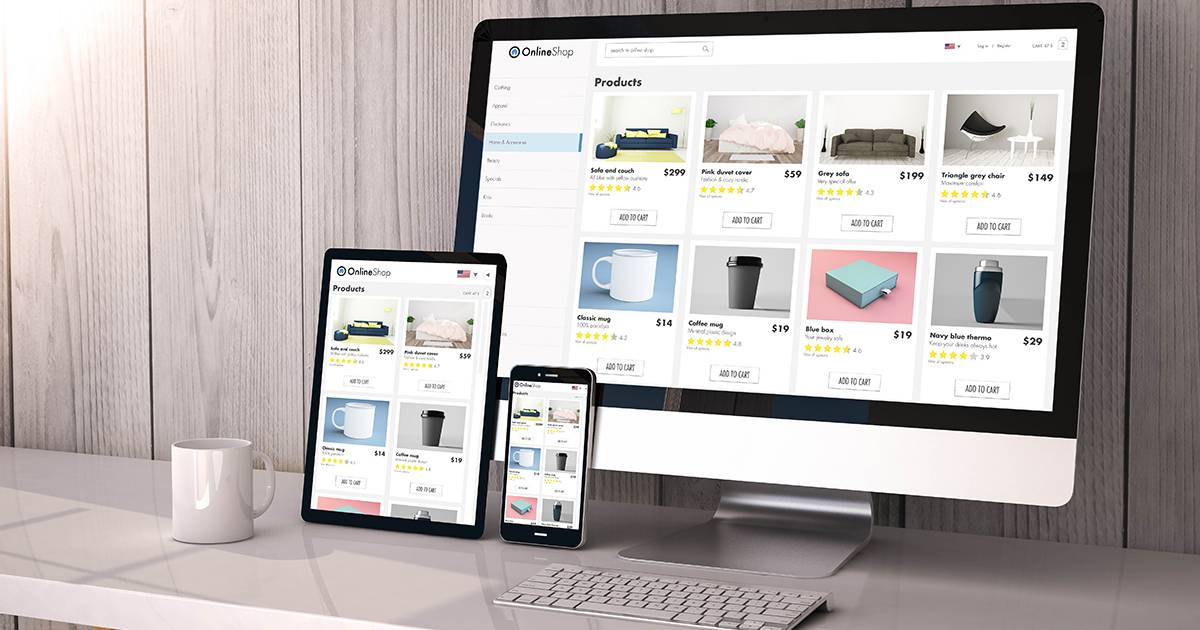
Website hosting is a necessary part of running a website. By “necessary” we mean that it won’t function without it and is an absolute requirement. It also comes with its own set of costs. Website hosting can cost as little as $8 per month and if it includes a comprehensive maintenance package – at the high end can be in excess of $1000 per month. So with such a big ballpark, how much should website hosting really cost? And is just hosting actually what you are receiving if you’re paying towards the higher end of the spectrum? Are you comparing apples with apples? How do you know you’re getting the best solution and not being ripped off!
The simple answer is, the cost to host a website ‘depends’… It depends on whether your website is uploaded to a server and left to its own devices or if it is proactively maintained and if so, what additional services or value are you getting from your provider?
Things pricing to host a website can depend on are:
The type of hosting service/package
Web Server Quality
Web Server Location
Self Managed – If you’re hosting your website yourself and responsible for any and all updates/upgrades
Managed Hosting – If a website is hosted on your behalf, by a marketing or web design company – And what you are getting for this service
If server upgrades are included – like anything tech, software and hardware outdates.
If you are actually also getting proactive maintenance on the site and the server
And more…
Web hosting is a complicated beast and unless you’re into IT (like REALLY into it) it’s something that you’ll probably never actually understand completely. But since your website can’t exist without it, we’ll attempt and explain briefly what it is and why it costs what it does in this article.
What is Website Hosting?
When a website is hosted this means it is stored on a server. A server is basically a computer. This computer is where your website “lives”. When you type in a website, what happens is that it gets the information from that server computer and then shows it on your screen. This means the quality of the server itself can dramatically affect the performance of a website. The power of the server (or computer) means that the faster it will go, the better your website will perform. This is just one factor in website performance, but it is an important one to understand.
And just like computers, Servers come in all sizes, and can be configured in a number of ways too. The power, speed and configuration of the server your website is on is defined by the ‘type’ of hosting your may have.What are the types of website hosting?
As mentioned above the type of website hosting or the configuration of the server can play a very important role in your website performance and also dramatically affect the cost to host a website. Three main types of hosting you might come across are Shared Hosting, VPS Hosting, and Dedicated Hosting.
Shared Hosting
Shared hosting is the cheapest form of hosting because you are literally sharing the load with a bunch of other websites. Think about the cost of flying a plane. The more people that can fit on the plane the cheaper the ticket becomes. This is because you’re sharing the flight with (in some cases) hundreds of other people.
The downside of that is you don’t necessarily know who you’re sharing the flight with. Or going to be sitting next to. If Google is the moderator of aviation law, and they decide one of those passengers is unsavoury then this could also affect the quality of another website on the same server. It gets tarred with the same brush.
Cloud Containers
Cloud Containers primarily offer a huge amount of control for developers. (So this is often our first choice for hosting clients websites). It means we can do more, faster, and maintain up-to-date infrastructure without too many technical headaches – both for us and you…
VPS Hosting
VPS stands for Virtual Private Server. This means that a website can be partitioned off and essentially separated from the other website on the physical server. In saying that though each website may still need to use ‘shared resources’ Let’s go back to that flight we spoke about above. VPS could be compared to travelling in First class. You’re still using the same aircraft, the same fuel and crew for example, but you have more room of your own. Even though you’re on the same flight, you’re “on the other side of the curtain”, separated from the rest.
Dedicated Hosting
Dedicated website hosting, is just as the name suggests. Instead of you being on a plane, you own a private aircraft. You have the whole entire thing to yourself. The size of the plane may vary depending on your requirements, and this too will affect the cost of hosting a website. As expected, dedicated hosting is the most expensive option.
How does Server Location Affect Website Hosting Costs?
We all expect websites to load lightning-fast these days. In fact, If your website takes longer than three seconds to load, you could be losing a lot of your website visitors. here’s 11 statistics you need to know.
Whilst websites themselves need to be also built and optimised well to begin with, they need to be maintained too (something the Website Performance Booster can also help with can dramatically help with). However, the distance between your site visitors and your server can also affect this dramatically too.
If we go back to our aircraft analogy, and think about the time it takes to fly from New Zealand to Australia, versus the UK or US, then it stands to reason that server location can affect your website speed and in turn the cost to host a website.
Shorter distances between you and the VPN server improve internet speed. For example, if you’re in the UK and connecting to a server in Australia, it is a substantial distance for a data packet to travel. So the nearer a server is located, the faster the internet speed will be.
So what is a reasonable price to pay for website hosting?
As mentioned in the first section of this article, Website Hosting is complicated. There are literally hundreds of variables. The most important thing to understand with websites, in general, is that they are no longer an online brochure. A website is a sales tool. And these days, a website is like a staff member – one who can sell 24/7. A website is an investment and always a work in progress, and this should be reflected in what you are prepared to pay to host and maintain it. If you want it to perform at its peak it needs time, money and energy invested.
You wouldn’t own a private jet, or expect to travel on a plane and expect it to run on 91 Octane! You need the right mix of fuel to keep it running well in order to safely reach your destination (your goals). And your website should be no different. You should be consistently setting new goals and objectives for your website to achieve – just like your staff!
At Back9 we are not a web hosting company. Therefore we only provide a managed hosting service coupled with website and server maintenance. We have found this to be the best solution for the broad range of clients we have websites hosted for.
So what is a reasonable price to pay for website hosting? Well, again that depends 100% on you! To give you an idea, our packages at back9 for website hosting and related services, range from $54 + GST per month – 199 + GST per month (with discounts for paying quarterly) depending on requirements. This offers server maintenance and upgrades, plugin updates and then upgrades (at the higher level) quarterly website performance maintenance too. And if that keeps your website performing at its peak then that is priceless.
Every business should have a Facebook page in the 2020s. With nearly 3 billion active users, practically everyone who’s online is using Facebook… Or at least knows of it and spies on a page every now and then without making an account. But is that all you need for your business? You may be asking “Do I really need a website if I have enough clients?” This also begs the question, Does your business need a website if you have Facebook?
Most likely, yes.
Having a Facebook page as part of your Social Media Marketing is great. It can help you connect with potential customers and leads. It’s a familiar platform many people know how to navigate. But it also comes with a number of restrictions and limitations that can hinder long-term growth and success. For some businesses, a Facebook page is enough. But is it for yours?
What can a website do that Facebook can’t?
Facebook is rolling out new features regularly. Now, you can create a business page, host events, and even sell products all in one place. If you spend time learning Facebook Ads, you can even get your business in front of people who are likely to be interested in it. So why bother with a website?
A website is customisable
One of the biggest advantages of having a website is that you can customise it. All Facebook pages use the same basic layout. Any images, videos, and content have to fit into the spaces Facebook decides.
When you have a website, you get to decide what goes where. You can have a banner video showcasing your latest product right on the home page. You can have quirky image sizes in fun shapes. Or you can have a browser video game where the hero uses your products to defeat evil. Whatever you can think of, an experienced web developer can build it.
A website is more credible
Anyone can have a Facebook page. Setting up a basic business page can be done in under half an hour. But just because a Facebook page for a company exists doesn’t necessarily mean that it’s legitimate. In 2020, there were numerous reports of scammers posing as real, authentic businesses in NZ. While an official business or celebrity page can have their account verified, an unverified account doesn’t necessarily mean the page is fake. Many smaller businesses aren’t aware of verification and simply don’t know that it’s an option. Sometimes they’re easy to spot, but not always.
Having a website also lets customers feel like you’re invested and credible. And you can build that credibility further by having good website design. If you position yourself as an expert and educate visitors, it helps you gain trust. If the navigation works well and shows related content, that’s more bonus points. Keep in mind though that a bad experience can have the opposite effect. A bad website is worse than having none at all, and can kill your reputation fast.
Have control over your own content
Have you ever been notified that Facebook had a new update that changed everything and you absolutely hated it? When you’re using someone else’s platform, they’re in charge. On Facebook, they decide what gets shown to people, what content is appropriate, and how it looks. If Facebook decides one day that they don’t like your industry or your name contains or is too close to an inappropriate word, too bad for you. They have the right to remove your page at any time.
As a multinational company, Facebook has to appeal to a wide range of rules and laws. Since they’re headquartered in the United States, any major legislation that happens there could affect your Facebook page; even if it has nothing to with New Zealand. If your only online presence is Facebook, you could face some serious obstacles if they make a major change.
One of the biggest problems with using Facebook for business updates and product announcements is that posts are fleeting. An important update will get buried quickly under your other posts. If someone is looking for something specific, they’ll have to scroll through your posts and hope they come across it. On your own website, you get to decide when and where information appears.
A well-built website helps you get found easier
Search Engine Optimisation (SEO) is all about getting found on Google. Since it’s net worth is in the billions, Facebook does have good SEO in place. If all you have is a business page and someone searches for your business directly, there’s a good chance that it will come up. But if you want to find customers who don’t know about you and search for what you do instead, your Facebook page will get pushed down and likely off the first page.
Built to be found on Google
With a custom-built website, your site can be built around being found on Google. There are a lot of key signals that Google looks for when deciding which page shows up first. Experienced website design is created with these signals in mind. Teamed up with a professional web designer, you can get a site that’s built well and looks great–and will put you above Facebook.
Focusing on keywords and phrases
One of the most important parts of SEO is building pages and articles around key phrases and words. These are the terms that people actually search for in Google. So if you’re a cafe, that could be phrases like “Coffee shop” or “Pastries near me” or “Iced chocolate” or anything else that you have on the menu. You can emphasise these keywords and even create whole articles around them if you want to hit it hard. And that’s something that simply isn’t possible on Facebook.
Keep track of leads and prospects
With Facebook, you can see who likes and follows your page. Then, if someone messages you, you can reach out and answer their inquiry. But there’s not much you can do to track leads and give them what they need when they need it.
If you have a website, you can integrate it with your database or CRM. You can have forms to collect information, have people sign up for your newsletter, or send great deals and product updates. Once you have these leads you can reach out to them when it’s appropriate and helpful to them–something much harder to do on Facebook.
When is just a Facebook page enough?
If you’re starting out a new side-hustle or have a brand new business and not a lot to invest in it, a business Facebook page is a good place to start. It’s free to make and can at least help you get your details out there. Facebook is a good way to test the waters and see if a product or service you’re unsure about can swim on its own.
Once you do decide to move forward and look at the business as a long-term investment, you’ll want to get a website. The kind of website you need depends on your goals, visions, and budget. You can find out about some of the different kinds of websites and how much they cost in our article How much does a website cost?
Or if you’d rather come in to talk about what would be best for your specific situation, you can give us a call or book a meeting now on our calendar below.
Along with how much does a logo cost, we get asked all the time how much a website costs. And similarly, there are a lot of factors that go into a UX/UI Design. The enormous price range depends on a plethora of factors. You can talk to all the website designers in Invercargill and the prices will range from very little to a lot.
Some of the factors that affect website cost are:
The technology being used to build the website
How many pages are needed
What kind of customer interaction there will be
The number of images and videos
The way that data is collected
If the website is an eCommerce site where customers can buy products online
Amount of time and urgency to complete the site
Design of the website
If professional copywriting, photos, or videos are included
Whether or not there is an existing site with content that can be imported
And much more!
However, you can get a website for as little as $0. That’s right; free. Free moneywise at least. That amount increases depending on the list above and what features you need your website to do. A simple custom, professional website can start at around $3600. When done right, a website can be your best sales and marketing tool, built for you and your specific needs, goals, and style will pay for themselves multiple times over, especially when adopting a Growth-Driven Methodology. These days a website is only as good as the content that is on it. And the website cost itself should be indicative of that. A results-focused Inbound website including content creation and SEO optimisation, will cost you anywhere from $8000 + GST. However, if you choose the right people to collaborate with and maintain the website regularly, you’ll start seeing results.
Free, Cheap or Custom Websites
So what’s the difference between a free website, a cheap website, and a professionally built and custom-made website like we do here at Back9 Digital?
Can you own a website for free?
Technically, yes. Although “Free” might be a tad misleading. As is “website”. Some of the major website builders like Wix and Weebly have a free option with severe limitations and branding. Your site will be full of company branding, have minimal storage, and have the company name in the site address, like username.wixsite.com/mywebsitename. But as the price goes, that’s hard to beat. For something like a personal blog or brief info page, these sites can be a good option, but for a business, that “free” price will eat at your sales as you won’t be able to do SEO to get found in Google, you’ll be limited on personal branding, and you won’t be able to actually process payments on the site.
Free Google Business Listing
If you really don’t have the cash to spare and need a free website for a business, your best option would probably be Google. By creating a Google My Business account and connecting your business listing to it, you have the option to make a “website” that’s a single page.
The benefit of Google over the competition is that it connects to your business listing, so when somebody searches for you and your business pops up, you can have something for them to look at when they click the website field. Again, this type of website is extremely limited but could be a good option if all you wanted to do is show something like a single menu for a new cafe or want to display a list of services and get people to call you. This is an easy way to get yourself online and Google makes it work well on phones too.
When is a free website a good option?
If you have very little capital and need some way to get yourself online, a free website might be a good option. An optimised Facebook page tends to do better than a free website and reach more people. However, if you don’t put in money, you’ll have to put in a lot more time. This means more frequent posting, and the best possible content you create. For someone who’s money-poor but has plenty of time, a Facebook Business Page combined with a free Google My Business website is a great start.
These articles can help you get started with that combination:
Once you start to gain a following and get more customers interested, that’s a good time to consider upgrading your website too–hopefully getting more customers means you’ll have more to invest to help your business grow even more!
Can I create a website myself?
The next step up from getting a free website is to build your own website with a website builder. These sites don’t cost much to run, but you’ll have to invest a lot of time adding content yourself. You’ll also be very limited on the design. This is because it’s not built specifically for you. So you have to adapt to the design. Most low-cost options don’t let you change much if anything on the design. But you may be able to purchase a theme if you don’t find one you like out of the normal options.
If you aren’t tech-savvy, you’ll probably run into some roadblocks when building your site. Even with drag and drop editors–where you can pull content into the page and that’s the same thing visitors will see–there’s a lot to consider. At minimum, the design will need to work on 3 screen sizes; phone, tablet, and desktop. Images and videos also should be optimised so that the page loads fast.
There’s a lot of things to consider, but if you’re up for the challenge, you can find some options on our article, What is the best platform to build my website on?Building your own website costs about $10-50 per month depending on the platform and what tier you choose.
How much does it cost to have a website built for you?
For any established business or business looking to grow, sell online, or rise in a competitive industry, the lowest cost options won’t have the same kinds of benefits to your customer as having a fully-functioning website. If you want your website to work for you and be more than a simple reference point online, you’ll want a website that’s designed and built with your specific needs and goals in mind. This is when it’s ideal to have a professional design and marketing team create your website.
By having your website built and then marketed under one roof, your website will be built with your current and future needs in mind. A major advantage of having the professionals build your site is that they can suggest features you didn’t anticipate or didn’t know existed.
But perhaps the biggest benefit is having a custom design. There is a lot of work that goes into professional website design. It’s a lot more than making it look pretty! Take a look at the image below.
Did you read it in the order they predicted? Even if you didn’t, most people do. Website and Graphic Design is complicated and not something that can be learned in a half day’s training. Professional graphic design involves learning how to use the latest software, colour theory and science, print vs digital renditions, using imagery to convey ideas and messages, and much more.
How much does a basic website cost?
At the beginning of this article, we said that the cost of a professional website starts from $3600 + GST. So what does a $3000 website look like exactly?
On the low end, you can get a professionally-designed, basic website that includes a home page, about page, and contact page at a minimum. If you have content for a services and blog/articles page, you can probably get those added in as well. But you’ll have to write the articles yourself. Your basic website might include professional copywriting for these few pages however, and that will vary depending on which agency you use and the specifics of your project. The more information you can provide–imagery, existing articles, etc–the more you can get for your dollar, as your existing content can be optimised instead of made new.
If you have a service-based business with a couple of core services, a basic website might be a good option.
What are the features of a good website?
Looking for more than a basic website? Adding more features and functionality will add to your website cost, but they can make the difference between getting customers or getting people to go elsewhere. Here’s a quick list of some of the extra features you can get on your site:
Copywriting to fill your website pages with options for regular blogging
Booking and reservation calendars
Animations and illustrations
Customer logins and members-only area
Forums and discussion boards
Chatbots to answer frequently asked questions automatically in real-time
Accept and review job applications
Ability to sell products and services online
And there’s many, many more. If you can think it, a goodwebsite developer can build it! A website that is designed and built by a website designer and developer. And in addition includes professional photography, videos, and copywriting realistically starts at about $7000.
Is it profitable to sell online?
Online sales have steadily been on the rise, but after COVID-19 changed the way we shop. In fact, there was an enormous spike in online sales. Many people simply didn’t have the option to go in person, and a lot of those people found that the experience online was good or even better than going in-person. Retail giant Wal-Mart in the US saw online sales double since early 2020. Of course, they were harder hit than other countries, but they’re planning on focusing much more effort into streamlining the website experience.
Even with the relatively tame experience we had in NZ, online sales are still up massively. In-store retails sales in June dropped for the first time in over a decade. And at a sharp 15 percent too. At the same time, online sales rose 20 per cent in NZ. While we hopefully won’t have another lockdown situation, being able to sell online keeps you going in case there’s a disruption to normal business practices. If you have set prices and can sort out shipping, we highly recommend selling online!
How can I start selling online?
eCommerce websites are websites that have the functionality to sell online. They’re quite a bit more complicated to build as it’s very important payment is effective, secure, and goes where it’s supposed to! Products also have to be added and organised, with descriptions and imagery to accompany them. Getting a professionally-built basic eCommerce site starts at around $5000.
For the next level up, a custom-built eCommerce site gives you a unique design, any features that you can think of. And detailed measurement reports using platforms like eCommerce reports on Google Analytics. A custom-built eCommerce is ideal for larger inventories or businesses that sell several thousand dollars worth of product online each month. Because of all of the extra work and testing, custom-built eCommerce sites start at around $8000.
Make your Website work for you
We recommend going with a custom eCommerce site if it makes sense for your business. A custom eCommerce site can far more flexibility. Especially with things like;
Payment method
Customised Sales process
Integration with in-store stock.
Everything can be automated except for packing the item up and getting it off for shipping. Not only is this a huge time-saver, it works to sell for you night and day. Yep that’s right… And 365 days a year!
A custom eCommerce site is ideal for larger stores or established businesses looking to sell online. If you only have a few products and need a store immediately, maybe custom is not right for you. Read about the different eCommerce platforms in our article, Which eCommerce platform is the best for me?
How much does a website cost per month?
Unless you’re going with a fully free website, websites have ongoing costs to pay for as well. At a minimum, you’ll have to pay for a domain–the actual website address e.g. www.mywebsite.co.nz–and for hosting. Hosting is basically reserved space on a web server so that your website can be shown on the internet. Combined, this is typically around $40-80 per month. But can be more if you have a lot of content on your website.
One of the benefits of a custom site is that you only pay for the domain and hosting. That $0 monthly fee can certainly save you in the long run! However, we do recommend including website maintenance with your custom site. Website maintenance covers anything from quick updates and additions to speeding up the website to protecting it from security threats. There’s a lot of benefits you can get from website maintenance. It typically costs around $50-100 a month for website maintenance.
So what’s the total cost of getting a website?
As you can see, website costs can vary quite a bit! Here’s a quick summary of some of the different costs:
Building a website yourself
A free website can be made on Google and some other platforms, with limitations, branding, and restrictions.
You can build your own website for around $10-50 per month. You’ll have to design and update it on your own.
In most cases, you’ll need to pay for a domain and hosting too, about $100-450 per year.
This amount varies so much because it depends on the specific domain name, required server space, and other factors. For example, Internet.co.nz is valued at $11,400 USD as of this writing; back9.co.nz is under $100 per year. Most business names will be at the low end, while popular terms cost more.
Professionally built websites
A very basic professional website can start at around $1800 in total, plus hosting and domain.
A more complex website without any content creation will start at around $3000. However, you’ll have to supply all of the content yourself like videos, writing, and images. It’s important that these things are optimised for the web, or you could have a lot of problems!
Adding more pages, some customisation, copywriting, photography, and videos starts at about $7000.
A basic professional eCommerce website typically starts around $5000.
A custom-built eCommerce site with a unique design and advanced functionality start at approximately $8000.
How do I get a quote for my specific website?
The easiest way to get an accurate quote for your website is by doing an in-person meeting. Depending on your budget, business size, and goals, the total cost of your website will vary slightly. And if you aren’t sure what you need in a website, the team at Back9 Digital are happy to help. For tighter budgets, we also offer payment plans and packages starting at just $350+GST per month.
Book a meeting by clicking the link below. And we’ll meet with you and discuss what might be the best fit for you. This will be based on your industry, products and services, size, and objectives.
When you’re out and about, you’ve probably noticed that it seems like people spend more time on their phones than they used to. And it’s true; the data backs it up. In the last four years, the amount of mobile data usage has quadrupled, and according to Google, mobile is now the go-to choice for browsing the net, and their mobile-first index is now in effect.
Yet, a lot of sites are still buggy or slow on phones and tablets. Speed is a huge issue. Nobody wants to sit around waiting for sites to load, and to help out, Google has created the AMP framework that anyone can adopt for their sites to load faster, but it has a few requirements your site must meet first.
What is AMP?
AMP stands for Accelerated Mobile Pages, and the goal is to make pages load lightning fast on tablets and phones. An AMP page is a simplified version of the code created specifically for mobile that is stripped down to optimise for speed. Pages using the AMP framework have a little lightning bolt next to them on the Google search results.
While this stripped-down code does come with some restrictions and limitations, for many business owners the speed advantage is worth the change. And for the most part, sites look and function the same as they did without AMP—only faster. AMP pages don’t allow custom JavaScript (unless in the amp-iframe) and have a size limitation for the stylesheet, and instead uses an optimised script that loads faster.
The AMP Logo
Are there other benefits to AMP pages?
The main benefit of AMP is to deliver lightning fast, amplified pages to users. But you might find that you get some other benefits as well, such as:
More likely to have a higher spot in Google when someone searches on mobile
Less load on your web servers so performance can go up
Potentially higher chance of display network ads being shown if your site has advertising
Chance to be featured at the top of Google results in the Top Stories Carousel.
AMP is great thing to implement on your site. Just keep in mind that it requires making changes to the code of your website, and it’s important to pay close attention to make sure it’s done right so your website keeps working. If you aren’t comfortable doing this or aren’t sure how to access or change the code, the team at Back9 has an experienced website development team that’s happy to help!
In the past, we’ve talked about how a website can be your hardest working employee. It works nights, weekends, and even holidays. As a point of reference or even a place to purchase products directly from, your website can make a substantial, measurable difference on your sales. When it’s well maintained and works properly of course. Website maintenance ensures that your website will continue working for years to come.
Is your site loading right?
Proper page loading is an essential part of having a functional website. Pages that aren’t working or redirect to a 404 page (Page not found placeholder) don’t provide any value to visitors. It can erode trust, especially if they encounter multiple broken pages on the same site.
Loading speed is another crucial thing to check for. People don’t want to wait around hoping that slow pages load anymore. Instead, they’ll be more likely to leave and do a Google search on the topic to find the content they’re interested in. A Google study says that over 50% of people will leave a site where the page takes 3 seconds or longer to load. So it’s important to check your pages regularly.
But just checking briefly on a desktop isn’t enough. Most people access the internet through their mobile device these days. Therefore, don’t neglect fast loading on mobile. Are the pages loading correctly? And what about the photos? A giant grey box isn’t going to appeal to most people. If you’ve spent the time and effort to get good-quality photos, it’s important that they get seen!
Keep your content up to date
If your business is still doing the same thing it’s been doing forever, it might not seem like there’s any point in updating your content. But you might want to take a closer look.
Have you hosted or attended any events lately? Did you talk about them on the site? Then make sure it wasn’t for one that happened several years in the past. What about your staff? Have you hired new people you want to talk about on your site? Can you upgrade your years of experience?
Checking your content for accuracy is important—both for your users and for your visibility online. Some websites go so long without updates that their About page still shows an old business name!
Refreshing or adding new content also signals to Google that your site is active, which can help boost your rankings. Ideally, aim to add new content every few months. At the very least, review your site occasionally to make sure nothing is outdated.
If you spot old or irrelevant info, it might be time for a bit of website maintenance. A few updates can go a long way.
What if my site has a complex issue?
You don’t know what you don’t know. And if you don’t know that your site’s having performance problems, how could you know how to start fixing them? To keep you in the know, we recommend giving your site a performance review every 6 months. This is much like you probably do with your staff.
In your review, track your site’s performance. Is it doing what it should? Are you getting the kind of sales that were projected? If you aren’t, there may be a bigger issue at play. If this is the case, you might want to check in with your website provider. They can see if there are any issues that they can make right or tell you how to fix. For more complex issues, you might need the help of professionals. However, if it helps get your site performing how it should be, it’s a good investment!
Shopping online is becoming less of a bonus and more of an expectation these days. While mega online stores like Amazon and eBay aren’t as popular here in NZ as they are in other countries, they won’t stay that way for long. With many big NZ chains already having online stores and Amazon AU now open to New Zealand, online shopping is becoming massive worldwide. COVID-19 showed us how convenient shopping online and having products delivered straight to our door can be. Now, it’s almost an expected feature. So how can you start to sell products online?
Why sell products online through your website?
Not long ago, it was common to find many businesses that list their products online but have no prices or options to buy on the site. The idea was that people would see a product they like, drive to the store to buy it, and maybe pick up a few other items while they’re already there. It might seem like a solid idea, but now it’s an outdated one. Websites can suggest great pairs of products right there while you’re shopping. And while a lot of people were resistant to shopping online, the COVID Pandemic forced it upon them–and a lot of people found they preferred it. In the US for instance, online shopping rates doubled compared to the 2 years previous, and the trend continues to go strong.
This means that when possible, businesses should be considering adding e-commerce options–options for purchasing products directly from the website–to make sure that customers can find what they’re looking for and can buy what they want easily. Having an e-commerce option lets visitors decide they want something and buy it on the spot. Without it, you could be missing out on people on the final stage of the Buyer’s Journey, the ones ready to buy now. If you have shipping options, you can also reach people across the country who would never come into your physical store. If you don’t sell online, you could be missing out from people from all over who want what you have to offer!
How to sell products online
Once you decide to start online, how do you get started? We’ve got you covered; simply follow these 9 steps to start selling products online!
Decide what items you want to sell online and choose an e-commerce platform.
Decide on and purchase an inventory management system.
Choose and purchase a payment gateway.
Build the website and integrate inventory management and payment gateway systems into your site.
Write out descriptions of all your items, take/upload images and videos, and publish them to the site.
Sort out a shipping option (if having items delivered).
Customise your checkout process to fit your ideal customers.
Preview and test your new online store and ensure that everything is working.
Refine and update your processes based on how customers buy products and use the site.
In this article, we’ll briefly cover each of the 9 steps. We’ve also covered each of these in more detail and we’ll link to the full article with more information at if you want to know more about any one of them.
1. Choose an e-commerce platform
An e-commerce platform is the place your website is built and how it is stored. Each e-commerce platform has its own ways of adding and displaying products along with advantages and limitations. Some platforms are designed specifically for certain industries or business sizes. Others are more general purpose.
The right choice for you will depend on the number and type of products you plan on selling, how comfortable you are with technology, your budget, and who you want to build your website.
Who will build your website?
For most businesses, budget is the most important factor for the website. Your budget determines who builds your website and how much money you have to invest in it. If you have a small budget but a lot of time, you’ll probably want to use a platform like Shopify. With these platforms, you choose a templated site and simply change the elements like the logo and pictures to fit your brand. These are relatively easy to use; however, you’ll be limited in customisation and features. Getting found on Google through SEO will also be more challenging without added plug-ins, most of which are on a paid subscription plan.
If you have a higher budget and want a professional to build your website for you, a custom option like WordPress with WooCommerce will be better. With these sites, your website design will be structured around your brand and how your customers use the site. This means you’ll likely have higher conversion rates and the site will feel more natural to your users. A professionally-built custom site takes longer to make but it will be unique to you.
While you might be able to try to keep track of your inventory with a notebook and a pen, it’s a lot of trouble that can be automated away with an online inventory management system. Depending on your business size, a simple database manager may do the trick, or you might need a comprehensive digital suite to make sure everything is handled properly.
Using an online inventory management keeps track of how many of each product you have left and allows you to quickly change prices for sales. Many will also automatically track sales numbers and create reports comparing month-to-month performance. A solid offering will also integrate with your in-store stock so you don’t have to try to coordinate stock manually. There on many to choose from, we’ve covered some of the best inventory management systems in NZ in a quick comparison below.
Multiple currencies, full sales and costing analysis, vehicle industry special features
Inventory Management Systems in more detail
Want to know more about inventory management systems? We cover some more of the basics about these systems and go into more detail about each of them in the above table in our article Best Inventory Management for Selling Products Online.
3. Choosing the right payment gateway
If you decide to sell products on your site, protecting sensitive customer information is one of the most important things that you can do. While website maintenance can protect some of your customer details, financial information should never be in a position to be compromised, and using a decent payment gateway makes sure hackers and data thieves shall not pass through.
There are many different payment gateways to choose from, each with different upfront and per-transaction costs. But there’s more to consider than simply cost. Some offer better service or incentives, while others aim to provide the service for the lowest cost, but have minimal customer support or extras. To help with your decision, take a look at a quick comparison of some of the best payment gateways in NZ.
Customisable checkout, API Integration, Batch Processing, Subscription Payments, Direct Bank Transfer, Phone and PDF payment options
More about payment gateways
Payment gateways can be confusing at first glance. Why exactly do you need one and what are the benefits? We cover how payment gateways work and more information about the ones we listed above in the article Best Payment Gateways for Selling Online.
4. Building the website
Once you decide to sell products online and have chosen an e-commerce platform, you need to build the website. As we mentioned above, you need to decide if you want to build the site on your own or have someone do it for you. Depending on your chosen e-commerce platform, building it on your own may not be the best choice. Platforms like Squarespace and Shopify focus on simplicity and ease of use. In contrast, WordPress offers greater versatility, but you’ll trade some user-friendliness to get it.. While this makes it more challenging for a standard user, a professional web developer has many more options with this route.
When possible, we recommend having an expert build your site. They simply have the experience and skills to ensure the site functions properly. Your site will also be up and running faster. Some website building companies also include ongoing updates like adding products or optimising for SEO. Of course the more services you choose to include, the more the site will cost. We go over basic website costs and what causes them to increase in more detail in our article How much does a website cost?
Having a professional build the site isn’t for everyone. For some, the initial investment is simply too high. Others like full control of all content on the site. If you aren’t sure which option is best for you, our article When should I hire a professional to build my website may help.
5. Product description, images, and videos
This part of the process is where many people trip up. Depending on the number of items you plan to sell, it can frankly be overwhelming to create the content for it. If you are a reseller with thousands of products for instance, how can you possibly take the time to write out a description and upload high-quality, relevant product images for each of them? Doing this for all products might seem like an endless task. Even some of the major retailers in New Zealand have trouble doing this for every product!
How to handle large inventories to sell products online
There are a few ways to overcome a large inventory to sell products online. One is by using a growth-driven design philosophy. With a traditional website building process, you’d build every page and add every product before making the site live. Then every couple of years or so, you’d do a major site upgrade such as changing the entire design.
With a growth-driven philosophy, you start out by publishing a functional website and continually improve it over time. You might start out with a limited stock of your most popular products and add more over time. This will allow people to buy online sooner, then you add more products when you can. With this method, each product can have an excellent, thorough description and high-quality images. You can even add a video demonstration when applicable too, as product demo videos are the most effective way to convince people to purchase. You can find out more about growth-driven design in our article How Growth-Driven Website Design Works.
Another option is that some inventory management systems allow you to import this information directly from suppliers. This can greatly simplify the process, especially when you have a massive inventory. While this ensures that your product information is accurate and added quickly, it will also make it the same as any of your competitors that do the same thing.
Professional content creators
Finally, you can have professional content creators help do this step for you. Professional copywriters can help give you compelling, unique descriptions and combined with product photography can help you have a consistent look, tone, and feel for your products. For some of your best products, a product demonstration video can be extremely powerful. You can also have some of your products updated by content creators while others are imported automatically.
No matter which method you decide to do, having a solid product inventory to accompany your website launch will help your customers make informed decisions and increase your sales percentages too!
6. How to handle shipping
Shipping can be extremely complicated. As a store owner, you have to do a lot of planning to make sure everything goes smoothly. New Zealand makes this even more challenging with different rates depending on the island and rural vs urban delivery. Because of this, some e-commerce sites in urban centres choose to avoid shipping altogether. However, this also greatly limits your reach to people nearby. Plus, most people expect home delivery when buying online these days.
If you do decide to have products ship, there are several things to sort out. Among these are choosing a courier company (or companies), product packaging and labelling, emails and tracking information that goes to customers, and of course the price.
Finding the sweet spot for shipping might take some time. You may not get it right when you launch the site and might need to adjust it to cover your costs. Or if it’s too high, you may need to lower it to entice customers to choose you. Many studies show that free shipping is best incentive a customer can get. But a business owner, that may not be practical or even possible if you want to make a profit.
Nobody likes long, convoluted checkout processes. Unfortunately, this is the default option for some website templates. If you have a customisable website, however, you can change this.
Ideally, you want your site to be as easy as possible to use. What makes the site easy depends on the type of customers you have and how they use your site. For instance, having something like Apple Pay on an individual product so a customer can buy a single product and complete an order on the product page might make sense. Or having an option to make an account where customers can reorder the same products with a few clicks might increase sales.
Including special business pricing or the option to pay by invoice might be ideal for B2B businesses instead. There are limitless features you could add, but choosing which ones you should add depends on who is using your site and how they are using it.
These kinds of steps can be addressed when making your business plan or when developing buyer personas. A process like a digital marketing roadmap can help you identify your actual customers and how to best reach them.
8. Testing and reviewing your site
Before you publish your site and make it live to the world, you need to make sure all the processes work as expected. For site builders, most of the functionality will be built-in. Just make sure that purchase order emails etc go to the right place and you’ll probably be good to go.
If you’ve manually connected your own inventory management and/or payment gateway systems, you’ll also want to run through various scenarios and test purchases. These systems have fake credit card details you can use to test purchases without them actually going through, so do as many as you want! Ensure that everything works as expected and all of the emails, tracking information, and everything else goes to the right person.
Once everything is all good, make your site live!
9. Updating and refining the site
The easier and more intuitive your website is to use, the more likely a potential customer is to make a purchase. A good website is like staff--and can even be your best salesperson! And like staff, a performance review can help show your website’s strengths and areas where it can improve.
Your website is an investment. While it might seem like a relief to publish it and not worry about it anymore, there’s still a lot you can do. With a data-driven approach, you review the data of your website and make changes based on what the numbers show. And with websites, there is a ton of data.
Google Analytics
With Google Analytics, you can how many people visited any page or product on your site. If you’re running Google Ads and have it connected properly you can see your cost vs revenue at a glance for all of your campaigns. Then if one isn’t performing as expected, you can adjust it until it does.
Website Audit tools
A website audit tool can help make sure your site doesn’t have errors like broken links or products with no prices. Facebook Ads has Insights to show you which ads are bringing in visitors. You can even use a tool like Hotjar that shows you an image snapshot of each page and where on the page people keep their mouse the most and what links are most clicked.
It’s a bit of work up front, but having the option to sell products online can open you up to a whole new segment of the market! So once you’ve looked through everything you need to do to sell online, then what?
First, make sure you have a business plan, especially if you’re a new business that doesn’t have a customer base. We cover some other startup items in our article Selling online – Where to Start with eCommerce? From there, if you want to build the site on your own, follow the instructions from your chosen e-commerce platform. Most of them have guided tutorials to help you get started and walk you through the essentials. If you want to have a professional build a site, many marketing agencies combine website development and ongoing marketing in one place. Our article How to choose the right marketing agency for your business can help you see what to look for when searching for your team.
Start with a plan
If you’re unsure about doing any of these steps on your own or would rather have an experienced team handle getting your store ready to sell products online for you, we can help. We recommend starting out with our guided digital marketing roadmap where we cover your goals and help you make a plan on how to achieve them. We’ve helped several stores get online, from small local businesses with a few products to working with stores with massive inventories that ship throughout the country. And we can help you too! Many of our e-commerce stores have seen their sales increase over 100% in a year.
Selling online takes planning, time, effort, and funds to get started. But it helps you bring in new customers, increase sales, and provide more value to your website visitors.



![How Much Does A Website Cost? [Video]](https://www.back9.co.nz/b9/wp-content/uploads/2020/10/OG-Image_how-much-does-a-website-cost.jpg "How Much Does a Website Cost? [VIDEO] 4")




.png "Quick Tips for Website Maintenance 9")