Chat GPT: The Wagon Wheel Effect

Chat GPT is all the rage these days. In fact, it seems like every Tom, Dick, and Harry wants a piece of the AI content creation pie. Some are even touting themselves as “experts” Hard to claim when the technology is not only so new, but in terms of how rapidly its changing and evolving.

With the meteoric rise of ChatGPT, the world has gone gaga over AI-generated text. However, ChatGPT isn’t the only game in town. In fact, there’s a veritable smorgasbord of AI writing assistants out there, each with its own unique flavor.

Chat GPT

First off, let’s address the elephant in the room: yes, ChatGPT is undeniably popular. At Back9 we use it ourselves. But it’s the ‘Wagon Wheel’ of the AI content creation world. Nonetheless, before you hitch your wagon to that particular star, consider some alternatives.

Claude

For instance, there’s Anthropic’s Claude – a more reserved, yet highly capable AI assistant. Unlike the rambunctious ChatGPT, Claude is the strong, silent type. It won’t bombard you with unnecessary chatter; instead, it delivers concise, focused responses. A perfect choice for those seeking a no-nonsense AI companion.

Jasper

Then, we have Jasper – a versatile AI content creation platform tailored for marketers and copywriters. With its intuitive interface and specialised training, Jasper excels at crafting compelling ad copy, blog posts, and more. If you’re looking for an AI sidekick to boost your marketing efforts, Jasper could be your spirit animal.

Bard

Google’s Bard is another significant player, designed to enhance and complement human creativity. Leveraging the power of Google’s extensive search engine and AI capabilities, Bard can assist with generating ideas, drafting content, and even answering complex queries. Its integration with Google Workspace makes it a versatile tool for both personal and professional use.

Microsoft Co-Pilot

Microsoft’s Co-Pilot AI is a powerful addition to the AI landscape, seamlessly integrating with Microsoft Office applications like Word, Excel, and PowerPoint. Co-Pilot enhances productivity by offering context-aware suggestions, automating repetitive tasks, and providing intelligent insights. This AI assistant aims to augment human capabilities, making everyday tasks more efficient and intuitive.

Palm2

Then, we have Google’s PaLM2. PaLM is capable of tackling everything from creative writing to coding. Moreover, Google’s offerings boast impressive multilingual capabilities – a real asset in our globalised world.

GPT-NeoX

Let’s not forget about the open-source options, either. EleutherAI’s GPT-NeoX is a prime example. Developed by a community of passionate AI enthusiasts, GPT-NeoX is constantly evolving. Admittedly, it may not be as polished as some commercial alternatives, but it’s a scrappy underdog worth considering.

Meta’s AI Tool

Meta has also entered the fray with its new AI tool, LLaMA (Large Language Model Meta AI). LLaMA is designed to help businesses and developers create more sophisticated AI applications. It excels in natural language understanding, enabling more human-like interactions and responses. Meta’s integration of LLaMA into its suite of products aims to enhance social and professional communications by providing advanced AI-driven insights and functionalities.

Is Chat GPT the best AI?

Of course, the above is merely a sample of the AI content creation buffet. Ultimately, the “best” option depends on your specific needs and preferences. Some prioritise raw power; others value finesse. Certain industries demand niche expertise.

The moral of the story?

Don’t get caught up in the Wagon Wheel hype alone. Explore the full menu of AI writing assistants. You might just find your perfect match – a sous-chef extraordinaire to elevate your content creation game.

Third-Party Email Software Charges

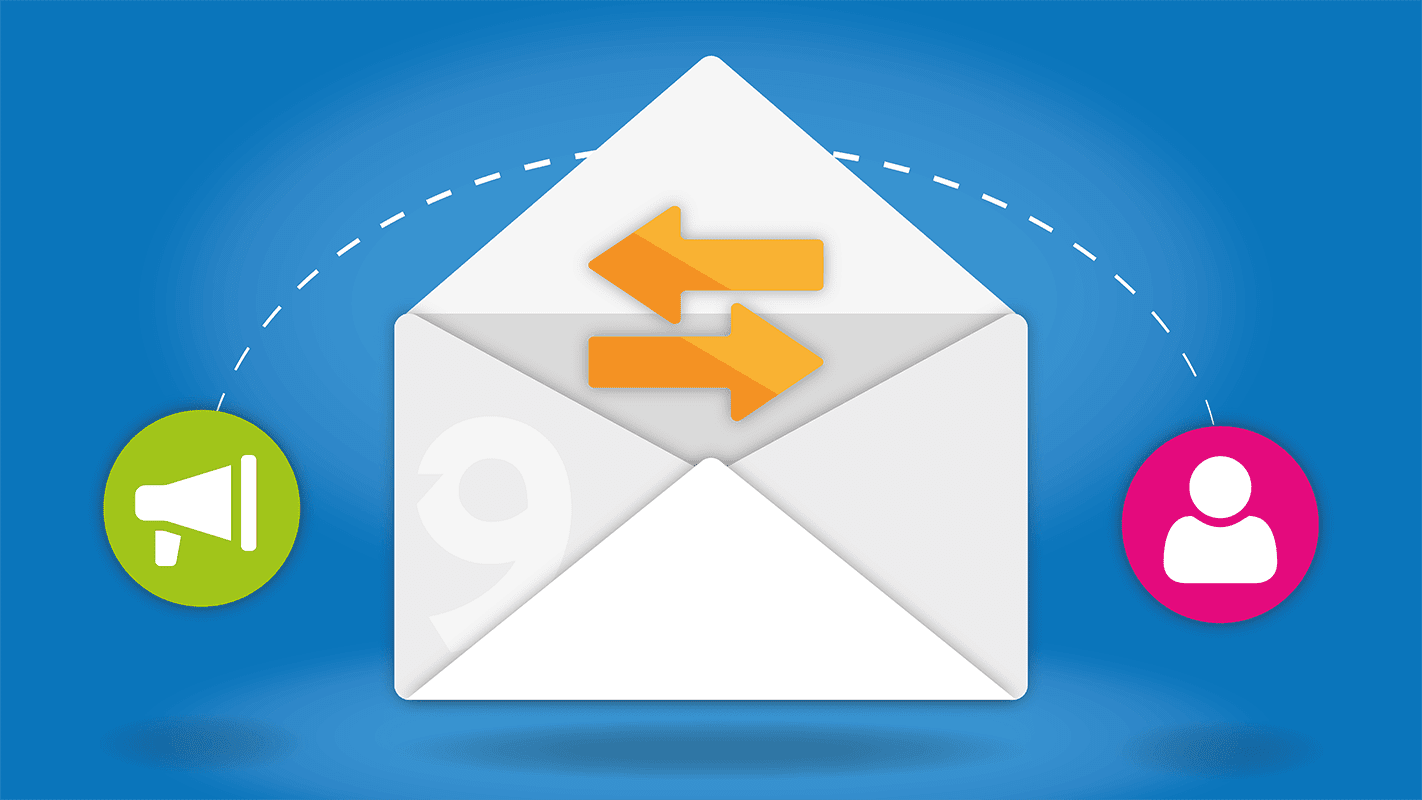
Email is the proven and preferred method for many communications. A global study showed 83% of people prefer to receive communications from businesses over email. It’s also one of the most cost-effective channels for marketing. With a proven return on investment at $42 for every dollar spent. 

And it yields precise engagement metrics on opens, clicks, user device, geolocation, and browser.

As such we send a number of transactional emails from our client’s websites to their customers. These include mostly responses from forms and other automated replies.

Previously we sent these from a no-reply email on our Back9 Emails. However as of March 2024, Google has implemented new anti-spam policies. This means there are now more risks of either;

  • Your emails going into spam folders, or worse;
  • They get flagged as spam and are not delivered at all.

Therefore a third-party email software is the best choice for sending emails from your website for several reasons:

  1. Reliability and Scalability: A lost or delayed email can mean a lost customer. Third-party email providers offer leading deliverability, reliability, and scalability. Their infrastructure is designed to handle large volumes of emails efficiently, ensuring that your emails reach your customers’ inboxes promptly.
  2. Deliverability: Getting your emails to the inbox every time is crucial for successful communication with your customers. Third-party providers have optimised their mail transfer agents (MTAs) and developed tools to manage deliverability effectively. As a result, this minimises the risk of emails being caught in spam filters or not reaching their intended recipients.
  3. Expertise and Support: Third-party providers offer experienced support and strategic guidance to help you optimize your email program. From developer-focused APIs for seamless integration to intuitive user interfaces for easy management, they provide the tools and expertise necessary to exceed customer expectations and tailor the email experience to your business needs.
  4. Precise Metrics: Third-party email software offers precise engagement metrics, including opens, clicks, user device, geolocation, and browser information. This data allows you to analyze the effectiveness of your email campaigns. Furthermore, it helps make informed decisions to improve engagement and ROI.

In summary

using a third-party email software ensures;

  • Reliable delivery
  • Optimal inbox placement,
  • Comprehensive support, and;
  • Detailed analytics

Ultimately enhancing the effectiveness of your email communications and improving customer experience.

Whilst this comes at a small cost (just 3.50 NZD per month) it is a cost we need to at the very least pass on to you our client. Especially when we have 100 or more websites on our servers… Ultimately however when weighed up against the the value it adds in terms of peace of mind and reliability is priceless.

Measuring the Success of a Marketing Campaign

At Back9 Creative we believe Measuring the Success of a Marketing Campaign is an important part of the process. If you’re going to put in all the time and effort to trying to market your business, you need to know and understand the results right?

Therefore measuring success is crucial for any marketing campaign. Especially if you’ve invested time and resources into designing, building and executing the campaign. Ultimately, determining true success when it comes to marketing is drilling down to the sales numbers. That helps us determine the ROI.

But Sales alone are not the only numbers that matter. Firstly what it the goal Is your campaign objective about driving sales? It may not necessarily be the case. The fact is there’s several key metrics when it comes to measuring the Success of a Marketing Campaign;

Reach and Engagement

First and foremost, we don’t always believe this should be a key metric. However it should diefinely be measured and understood. So look at your campaign’s reach and engagement. How many people did your messaging get in front of? Of those, how many interacted by clicking, sharing, or commenting? Strong reach and high engagement can help indicate an effective campaign. Equally it could help us figure out what we need to adapt. For example, if reach and engaegemt are good, but our prospects’ have not taken our desired action, the issue may be a deeper issue. This could be a design or usability issue.

Conversions and ROI

Additionally, examine your conversion rate. This shows how many people took a desired action like making a purchase or signing up. Conversion rates will vary depending on the industry and what you are marketing. A high conversion rate from your campaign—conversions divided by total audience—demonstrates marketing success.

Furthermore, track your campaign’s return on investment (ROI). Calculate the total revenue generated and divide by total costs. A positive ROI ratio means you made more than you spent. Consequently, your campaign was profitable.

Other Success Indicators

Moreover, monitor website and foot traffic during and after the campaign. An increase likely stems from effective marketing. Similarly, look at lifts in brand awareness, affinity, and favorability survey metrics. Improved scores show a win.

Signs of Ineffective Campaigns

In contrast, decreases in any of those areas may signal an ineffective marketing push. Likewise, low reach, engagement, conversions, or ROI indicate the need to reevaluate strategy and messaging.

Partner with an Experienced Agency

For companies looking to maximise marketing effectiveness, partnering with an experienced agency is highly recommended. Agencies have deep expertise in strategy, creative execution, media buying, and measurement across all channels. Their specialized knowledge ensures campaigns achieve optimal reach, resonance, and ROI.

Additionally, agencies provide an objective outside perspective on your brand, products, and messaging. They can identify strengths to amplify and weaknesses to improve. With their campaign management resources, you gain a dedicated team for planning, implementation, and comprehensive measurement.

The Full Picture

Overall, a variety of data points—reaching your audience, converting prospects, positive ROI, increased traffic and brand metrics—reveal a successful marketing campaign. Continuously measure and optimize to drive maximum results. For companies wanting to maximise effectiveness, an experienced marketing agency partner is invaluable.

What the heck is Search Engine Marketing (SEM)??

At Back9 Creative we often talk about the ever-evolving landscape of digital marketing. The fact of the matter is that staying ahead of the game is crucial for businesses. Especially the one’s looking to boost their online presence. And as a result, drive [targeted] traffic to their websites. One term that can surface is “Search Engine Marketing” (SEM). So, what exactly is Search Engine Marketing, and why is it a game-changer for businesses in the online sphere?

Basically, Search Engine Marketing (SEM) is aimed at enhancing a website’s visibility on search engine results pages (SERPs). As opposed to (SEO) Search Engine Optimisation, this is done in the case of SEM through paid advertising. The primary goal is to increase a website’s visibility when users search for specific keywords related to the business or its products and services. One of the key components of SEM is Pay-Per-Click (PPC) advertising. This includes Google Ads. Which in short, is where advertisers bid on certain keywords, and they only pay when their ad is clicked.

Are SEO and SEM different things?

Yes, Search Engine Marketing (SEM) and Search Engine Optimization (SEO) are distinctly separate. However they are also inextricably linked. While both aim to enhance a website’s visibility on search engines, they employ quite different strategies.

What if we were to put SEM and SEO Head-to-Head? Check out SEO vs SEM: The Ultimate Showdown.

Search Engine Marketing (SEM)

involves paid advertising, such as Pay-Per-Click (PPC), to increase immediate visibility through sponsored ads on search engine results pages. On the other hand,

Search Engine Optimisation (SEO)

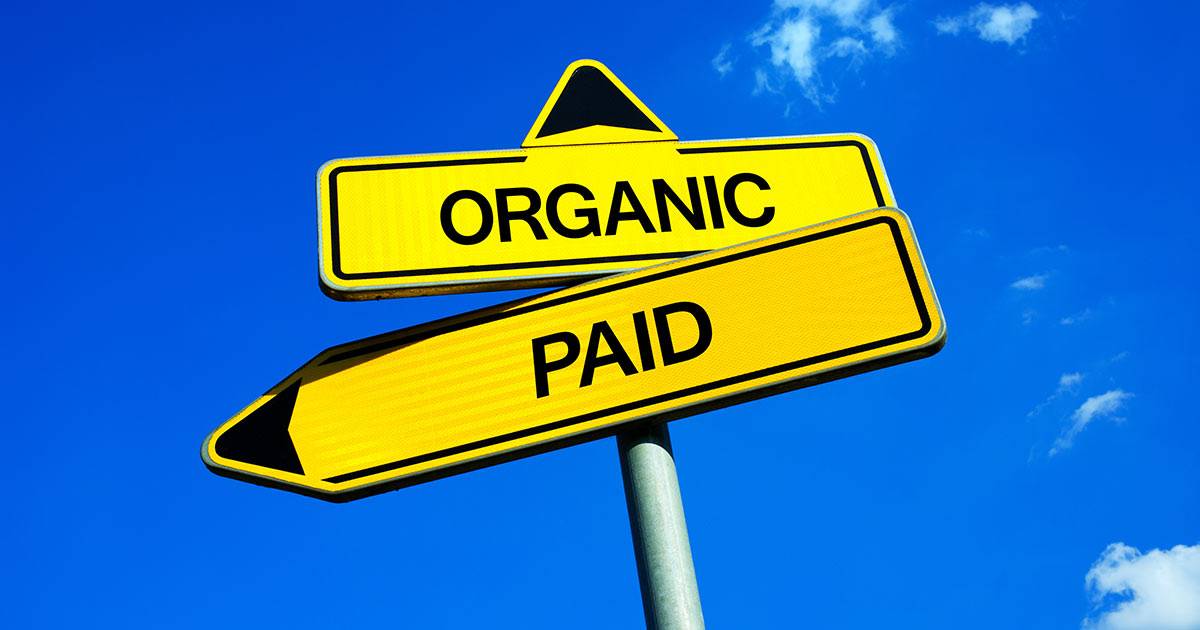
SEO focuses on organic methods to improve a website’s ranking, involving techniques like optimising content, improving site structure, and earning backlinks. In essence, SEM uses paid strategies for instant results, while SEO focuses on organic, sustainable methods for long-term visibility and credibility in search engine rankings.

Button-Linked-To-Ebook-Find-Out-All-About-Seo

The heart of SEM lies in leveraging search engines like Google, Bing, and Yahoo to connect with potential customers actively searching for products or services. Here’s a breakdown of the key components that make up Search Engine Marketing:

Paid Search Advertising:

SEM prominently features paid search advertising. Advertisers bid on keywords relevant to their business, and when users search for those keywords, the ads appear at the top or bottom of the search results page. This immediate visibility ensures that businesses are at the forefront when potential customers are actively seeking information.

Keyword Research:

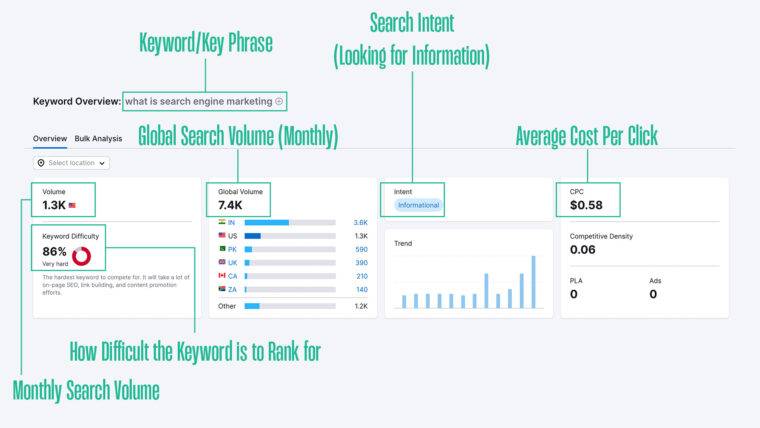
A crucial aspect of SEM is identifying and targeting the right keywords. Through extensive keyword research, businesses can pinpoint the terms and phrases that potential customers are likely to use when searching for products or services. This strategic approach ensures that the ad reaches the intended audience. Not only that, it ensures you will also understand the search volume, keyword difficulty and cost of these keywords. Therefore you can budget accordingly too.

What-Is-Search-Engine-Marketing-Sem-Keyword-Overview

Ad Copy and Landing Pages:

Crafting compelling ad copy and designing effective landing pages are vital for the success of SEM campaigns. The ad copy should be concise, persuasive, and relevant to the user’s search intent. That means you also need to understand the search intent. And this is where the Keyword research is also very important. The 4 main types of search intent are:

  • Navigational intent: Users want to find a specific page (e.g., “Back9 Design”)
  • Informational intent: Users want to learn more about something (e.g., “what is Search Engine Marketing (SEM)”)
  • Commercial intent: Users want to do research before making a purchase decision (e.g., “best coffee maker”)
  • Transactional intent: Users want to complete a specific action, usually a purchase (e.g., “buy lawnmower”)

All the while, the landing page should provide a seamless and user-friendly experience, leading visitors to take desired actions, such as making a purchase or filling out a form.

Analytics and Optimisation:

SEM is an iterative process that requires constant monitoring and optimisation. Analysing performance metrics, such as click-through rates, conversion rates, and return on investment, allows businesses to refine their strategies. Continuous optimization ensures that SEM efforts remain aligned with business goals and deliver maximum value.

Do you need Search Engine Marketing (SEM)?

In short, if you want to be found online, get more leads and sales then YES! You need SEM. Here’s 9 Signs you need help with SEM. Search Engine Marketing (SEM) is a dynamic and results-driven approach to [online] advertising. By strategically placing businesses at the forefront of search engine results, SEM not only increases visibility but also directs high-quality traffic to websites. As the digital landscape continues to evolve, embracing SEM has become a cornerstone for businesses seeking a competitive edge in the online marketplace.

Search Engine Marketing (SEM) is a dedicated strategy in itself and as such is an investment. That means it does come at a cost, however, if done well, by an expert – you should and will see long-term results.

SEO vs Google Ads: Deciding the Best Strategy for Your Business

Brace yourself for a scuffle! That’s right SEO vs Google Ads (aka PPC)… Which is the best option for you? Who reigns supreme?

At Back9 Creative we live and breathe digital marketing. That means we know businesses are constantly navigating the intricacies of SEO (Search Engine Optimisation) and Google Ads (Pay-per-click or PPC) to enhance their online visibility. Both strategies have their merits, but understanding when and why to invest in each can be the key to unlocking optimal results for your business.

When and Why Should You Invest in SEO?

Search Engine Optimisation is the bedrock of a sustainable online presence. It involves optimising your website to rank higher on search engine results pages (SERPs) organically. Investing in SEO is a strategic move for businesses looking for long-term visibility and credibility.

When: SEO is a gradual process that requires time to yield results. If your business is in it for the long haul and aims to build a robust online presence over time, investing in SEO is a wise decision.

Why: SEO not only increases your website’s visibility but also builds trust among users. Google Organic search results are perceived as more credible, and a higher ranking can lead to increased organic traffic and conversions.

When and Why Should You Invest in PPC or Google Ads?

Google Ads, on the other hand, provides a more immediate and targeted approach to reaching your audience. It involves placing ads at the top of SERPs, and you pay only when someone clicks on your ad.

When: If your business needs quick and measurable results, especially for promotions, events, or product launches, PPC is the go-to strategy. It offers instant visibility and allows for precise targeting based on keywords, demographics, and location.

Why: Google Ads are effective for businesses with a specific budget as you only pay when users engage with your ad. It provides real-time data and insights, enabling you to adjust your strategy promptly for better ROI.

Striking the Right Balance for SEO vs Google Ads

While SEO and Google Ads serve different purposes, a balanced approach often yields the best results. A harmonious integration of both strategies can create a powerful marketing mix. Use PPC for short-term goals and to complement your SEO efforts.

In the great SEO vs. Google Ads / PPC Showdown, there’s no one-size-fits-all solution. Much like all things digital marketing… The best strategy for your business depends on your goals, timeline, and budget. Invest in SEO for long-term credibility and visibility, and leverage Google Ads for immediate and targeted results. A thoughtful combination of both can propel your business to new heights in the digital realm.

Still not sure which option is best for your business or maybe you’re ready to press go?

Growth-Driven Design: The Future of Websites

It’s the Future of Websites… And the train is at the station. It’s time to get on board. Growth-Driven Design (GDD) is transforming how we design and build websites and software. It’s a smarter, results-driven approach web design and web development. And to digital design in general. Using our IDEA framework, we start with IMAGINE—a phase where we plan and map out every possible requirement. Think of it as your website wish list.

Once we know what you might need, we estimate costs and timelines for implementing each feature. With your input, we then prioritise the order in which we Design and Execute these components. This process ensures we focus on the features that will create the most impact first.

Launchpad website – The Future of website design

After launching the initial version, or “launch pad” website, the real magic begins. We gather data from real users by tracking their behaviors and interactions. As a result of this information, we revisit the wish list to decide what to build next. Every decision is guided by actual user data, not assumptions.

Amplify with Continuous Improvements

When I talk about the future of websites and GDD, and in particular continuous updates, many people think continuous improvement means only updating content. While content updates are essential for Search Engine Optimisation (SEO) and visibility, GDD goes far deeper. The heart of this methodology lies in User Experience (UX), User Interface (UI) design, and Psychology.

Traditonal-Website-Design-Is-Broken-Cta

Today’s technology allows us to track user behavior through tools like heatmaps. These show how users navigate your site, where they click, and where their eyes are drawn. This data reveals what your users want and how they move through your site. In other words, it’s like having a blueprint for their thought process.

Armed with these insights, we can fine-tune design elements such as Call-to-Actions (CTAs) and navigation paths. The goal is to make it as easy as possible for visitors to take the action you want—whether that’s signing up, making a purchase, or reaching out. This process, called Conversion Rate Optimisation (CRO), helps increase the likelihood of turning visitors into leads or customers.

Growth-Driven Design is more than just a methodology; it’s a perfect storm of design thinking, empathy, engineering, psychology, and science. By blending these disciplines, we track, interpret, and test ideas to continuously improve your website. This improves not only the user experience but also your competitive edge.

Your website is like a staff member. It’s an asset. And like a member of staff, it shouldn’t just exist, turn up and eat lunch—it should work for you and the company. Think of your website as the 24/7 employee you never knew you needed

By realising Growth Driven is the future of websites and embracing GDD, as a result, you can turn your website into a powerful digital asset, outperforming outdated, static competitors.